Sacramento PFAS Pesticide Tracking Bill Sent to Gov. Newsom
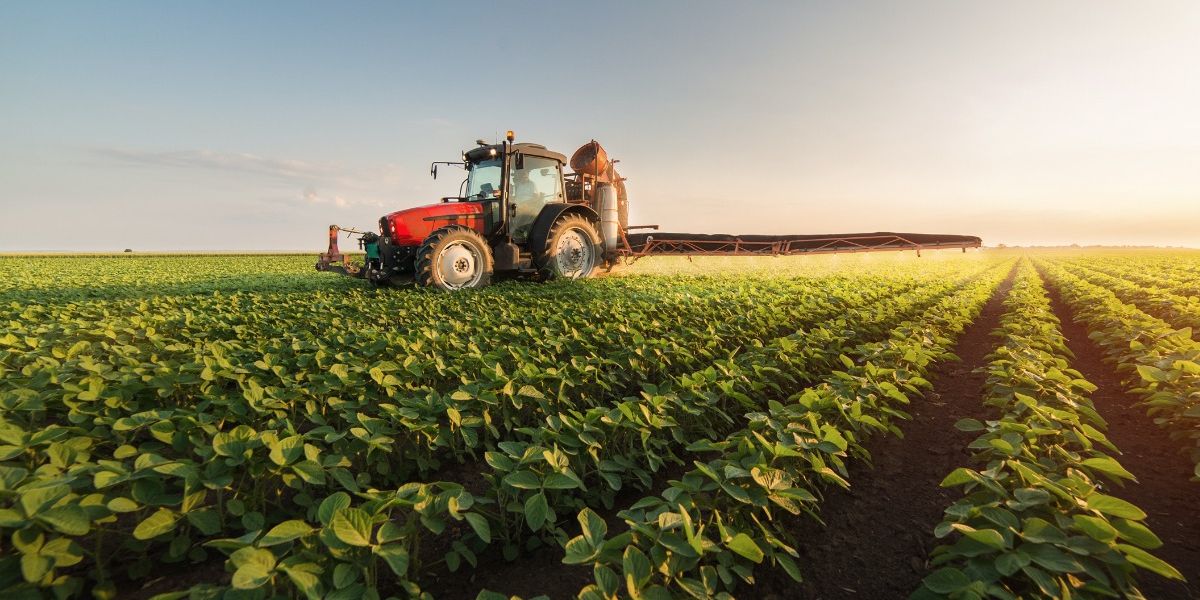
California measure would identify pesticides containing persistent PFAS chemicals
SACRAMENTO, California — The California Legislature on Wednesday passed a bill requiring state regulators to identify pesticides containing PFAS, a broad class of persistent chemicals linked by health researchers to a range of potential harms. The measure now goes to Gov. Gavin Newsom, who can sign it into law or veto it.
The legislation was introduced by Assemblymember Nick Schultz, a Burbank Democrat, and would direct the California Department of Pesticide Regulation to flag PFAS-containing pesticide products in the state’s public pesticide database. The requirement would give farmers, consumers, researchers and local communities a clearer way to determine which agricultural chemicals may include the compounds.
PFAS — short for perfluoroalkyl and polyfluoroalkyl substances — are often called “forever chemicals” because many do not readily break down in the environment. They have become a growing focus of state and federal regulators because of their potential to remain in soil and water for long periods and their presence in a wide range of industrial and consumer products.
According to the U.S. Environmental Protection Agency, most PFAS chemicals have not been evaluated for possible human-health effects. Research involving certain compounds has associated exposure at particular levels with reduced fertility, developmental effects in children and increased risks of some cancers.
Original pesticide phaseout proposal was scaled back
Schultz’s original proposal would have gone further by phasing out pesticides containing PFAS. That approach would have put California alongside states including Maine and Minnesota, which have enacted restrictions involving PFAS products and chemicals.
California’s agricultural sector opposed a ban, raising concerns about the availability of crop-protection tools in a state central to the nation’s food supply. State figures show California produces nearly half of the country’s vegetables and more than three-quarters of its fruits and nuts, making pesticide policy a high-stakes issue for growers, farmworkers and food markets.
The final version preserves the disclosure component rather than imposing the broader prohibition. The compromise reflects a continuing challenge for policymakers: regulators and environmental advocates do not always use the same definition of what should be classified as a PFAS chemical, complicating efforts to create uniform restrictions and product lists.
The Environmental Working Group, a sponsor of the bill, has said the European Union has prohibited 23 PFAS pesticides still used in California. The group identified bifenthrin, trifluralin and flufenacet among those products.
Schultz said Thursday that he was disappointed the measure had been altered during the legislative process, but argued that public reporting would still be an important step. “A vital step toward ensuring California’s agricultural legacy is defined by health and innovation, not by the accumulation of toxic PFAS in our soil and water,” he said.
He added that California should assist farmers in transitioning away from persistent chemicals and position itself as a leader in food safety. The bill’s immediate outcome now rests with Newsom, whose decision will determine whether the pesticide database begins flagging PFAS-containing products.
📰 Related Stories
- Sacramento Wildfire Liability Plan Puts California Utilities, Insurers and Survivors at Odds Sacramento • Aug 25, 2026
- COVID-19 Trend Shifts to Summer Peaks in California, Experts Warn of Rising Cases Sacramento • Aug 14, 2026
- California Senate Committee Rejects Controversial Animal Protection Bill Amid Election-Year Politics Sacramento • Aug 14, 2026
- Phoenix City Council Approves 2028 Olympic Torch Relay Bid as Mayor Kate Gallego Co-Founds Global Urban Data Centers Pact Phoenix • Oct 19, 2026