Sacramento Wildfire Liability Plan Puts California Utilities, Insurers and Survivors at Odds
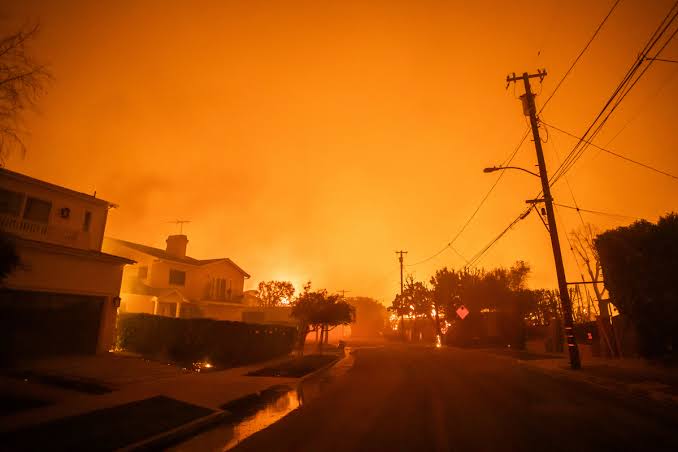
Newsom seeks a new approach to California wildfire liability
SACRAMENTO, California — Gov. Gavin Newsom is pressing state lawmakers to approve a sweeping wildfire liability plan before the Legislature’s Aug. 31 deadline, reopening one of the most consequential fights of his administration: how much California utilities should pay when their equipment sparks destructive fires.
The Sacramento negotiations come as utilities, insurers and wildfire survivors clash over a proposal that could limit financial exposure for electric and gas companies while accelerating payments to people harmed by fires. Newsom argues the existing system is becoming unsustainable as climate-driven wildfire risks grow and utilities continue raising customer rates to cover prevention, recovery and damage claims.
“Status quo is not going to work,” Newsom recently told reporters. “It’s not going to work for victims, who consistently are last in line. And that’s at the core of this reform.”
The governor’s office has not released the full legislative language. But officials say the proposal would change how wildfire property losses are allocated, potentially requiring insurers to absorb a greater share of rebuilding costs that they currently may seek to recover from utilities. The plan would also require utility chief executives to forfeit bonuses after a company-caused fire produces more than $1 billion in damage, while shareholders could face penalties of up to $10 million for violations of wildfire-prevention requirements.
Utility-caused fires have shaped Newsom’s tenure
Wildfire liability has been a defining issue throughout Newsom’s nearly eight years as governor. Two days after he won election in 2018, the state’s deadliest and most destructive wildfire began in Northern California. The fire killed 85 people and destroyed more than 18,000 structures. Investigators determined that Pacific Gas & Electric equipment caused the blaze, and the company filed for bankruptcy shortly after Newsom took office while facing tens of billions of dollars in potential liabilities.
In response, Newsom signed legislation creating a $21 billion wildfire fund financed by utility shareholders and ratepayers. The fund was intended to help utilities cover catastrophic fire costs if they met specified safety standards. Last year, Newsom proposed an additional $18 billion for the fund, which lawmakers approved.
Now the governor says the fund could soon be depleted, creating renewed pressure for a long-term solution. The issue has become more urgent after investigators this month concluded that a 2025 fire outside Los Angeles — the state’s second-most destructive wildfire — was ignited by one of Southern California Edison’s transmission towers. That fire killed 19 people.
California law currently requires utilities to pay for damage caused by their equipment even when a judge does not find negligence. Insurers that pay policyholders for rebuilding can then pursue reimbursement from the utility. Six of California’s 10 most destructive wildfires have been linked to utility equipment, according to the information cited in the debate.
Insurers and survivor groups warn of cost shifts
The proposed California wildfire liability plan has drawn opposition from property insurers and organizations representing fire survivors. The Personal Insurance Federation of California said shifting more property-damage costs onto insurers would likely lead to higher premiums for homeowners.
“Being responsible for your actions is something that parents tell children,” federation President Rex Frazier said in a statement. “Hopefully the Legislature will tell this to the utilities.”
Joy Chen, executive director of Every Fire Survivor’s Network, told a virtual town hall that survivors fear the plan would reduce their potential compensation while protecting utility monopolies. She called the proposal “a massive transfer of liability” for the state’s three largest investor-owned utilities: PG&E, Southern California Edison and San Diego Gas & Electric.
The California Professional Firefighters, however, backed the governor’s effort in a letter sent Monday, saying the state must balance the financial stability of utilities, insurance plans and recovery funds with the ability of affected communities to rebuild.
Meredith Fowlie, an economist and co-director of an energy institute at the University of California, Berkeley, said utility responsibility remains central because companies provide a public service. But she said worsening fires have exposed broader vulnerabilities, including vegetation management and the need for more fire-resistant homes.
Democratic legislative leaders agree California must address the issue but have not outlined a final compromise. Lawmakers have until Aug. 31 to act; if no agreement is reached, Newsom could call a special session. The negotiations remain ongoing, with no final wildfire liability deal announced.
📰 Related Stories
- Sacramento PFAS Pesticide Tracking Bill Sent to Gov. Newsom Sacramento • Aug 28, 2026
- COVID-19 Trend Shifts to Summer Peaks in California, Experts Warn of Rising Cases Sacramento • Aug 14, 2026
- California Senate Committee Rejects Controversial Animal Protection Bill Amid Election-Year Politics Sacramento • Aug 14, 2026
- Mayor Karen Bass and Los Angeles City Council Direct $700M Toward Homelessness and Advance 510 New LAPD Officer Recruitments Los Angeles • Oct 18, 2026