Iran Conflict Disrupts Life and Study for Illinois College Community
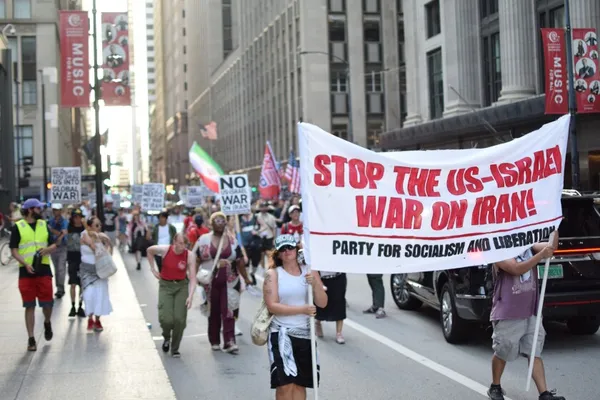
The war in Iran has upended academic life and personal plans for students and faculty at colleges across Illinois, as concerns about loved ones' safety and policy changes put research, travel, and future careers in flux.
According to university officials and faculty, higher education communities in the region have been directly affected since late February when U.S. and Israeli attacks on Iran escalated into broader conflict. Figures cited by Al Jazeera, based on official Iranian sources, report over 2,500 deaths and 26,000 injuries in Iran as of Tuesday, in addition to casualties elsewhere in the region. The violence has made communication with family difficult for many within the Iranian diaspora studying or working in the United States.
At the University of Chicago, some study abroad and research programs in the Middle East have been canceled or postponed because of safety concerns. Northwestern University confirmed adjustments as well, having evacuated several graduate researchers from the region and enacted additional protections at its Qatar campus after Iranian forces retaliated against a U.S. base there. These measures included shelter-in-place orders and some evacuations, according to reports from the student newspaper.
For faculty like Professor Mehrnoush Soroush, whose academic focus is on Middle Eastern archaeology and whose family remains in Iran, the conflict has brought both personal distress and renewed professional urgency. Soroush directs a project mapping heritage sites threatened by conflict, having already identified close to 100 impacted locations.
On campus, the war's emotional toll is evident: students are experiencing increased distress, absenteeism, and disengagement, according to Omer Mozaffar, Loyola University Chicago's Muslim chaplain and professor. Some students also express anxiety over the potential for military draft and the fairness of current geopolitical events.
Beyond personal anxieties, the situation has clouded post-graduate plans for many. Visa issues have stopped some graduates and their families from pursuing work or returning home. Students like Mina Rezaei at Southern Illinois University Carbondale face uncertainty after new restrictions on visas for Iranian nationals were enacted by the Trump administration. Career prospects are on hold, and families are left relying on limited resources.
Anti-war activism, historically strong on college campuses, has taken on a quieter and more cautious tone. Faculty and students cite fears of harassment, intensified by recent federal moves to restrict campus speech, and the visibility of prior protests being met with strong countermeasures. Some in the university community have expressed disappointment at what they see as a lack of official acknowledgement or public support from their institutions in comparison to responses to other global crises.
As the conflict and its repercussions persist, Illinois colleges continue to adapt, with faculty and students navigating uncertainty over their futures, the safety of their families, and the changing landscape of campus activism. Institutions have not indicated when suspended programs might resume, and many students await clarity on visa and employment policies.
📰 Related Stories
- Chicago Transit Authority Transitions to Reconfigured Regional Board Under NITA Act as City Manages FY 2026 Fiscal Operations Chicago • Sep 26, 2026
- CTA Advances Heavy Construction on $5.7 Billion Red Line Extension as Walsh-VINCI Mobilizes 130th Street Transit Corridor Chicago • Sep 26, 2026
- Chicago City Council Deliberates One-Year Data Center Moratorium as West Loop Approves 26-Story Residential Tower Chicago • Sep 26, 2026
- San Antonio City Council Adopts $4.4 Billion FY 2027 Budget to Close $158M Deficit as SAWS Advances $2.6B Water Plan San Antonio • Sep 26, 2026