Loyola University Lab Converts Used Cooking Oil Into Biodiesel for Campus Buses
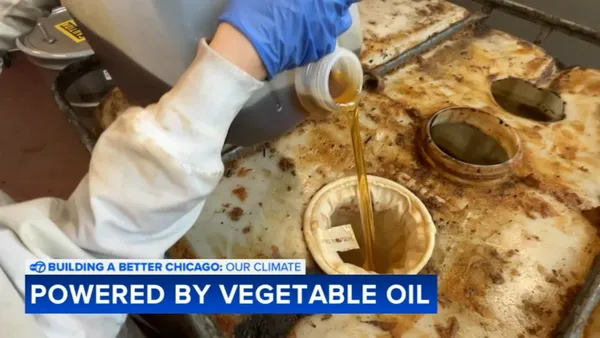
Loyola University Chicago's shuttle buses are powered by biodiesel produced from used cooking oil processed at the university's Searle Biodiesel Lab in Rogers Park, a project that continues to gain recognition for its environmental and operational impact. Each weekday, thousands of students and staff travel between campuses aboard vehicles fueled in part by recycled vegetable oil collected from local restaurants, museums, institutional kitchens, and Loyola’s own dining facilities.
The lab, managed by senior program manager Zach Waickman, processes about 9,000 gallons of used or expired cooking oil annually, yielding approximately 8,000 gallons of biodiesel. This fuel is blended to make up 20% of the total fuel powering Loyola’s eight shuttle buses. The initiative also creates by-products, including about 1,500 gallons of hand soap each year, which are distributed across campus restrooms. During the COVID-19 pandemic, the lab expanded production to include hand sanitizer for campus use.
Loyola's biodiesel production began as a student project in 2007 within the school's Solutions to Environmental Problems course. Since building the Searle Biodiesel Lab in 2013, the university has formalized its commitment to sustainability and zero-waste operations. The lab includes equipment for processing, research, and quality testing, and employs eight to ten students part-time. Loyola’s sustainability efforts contributed to its 2024 milestone of becoming the first carbon-neutral university in the Chicago area.
Used cooking oil is sourced through partnerships, notably with Green Grease Environmental, a local company that collects and processes oil from over 1,000 institutions around Chicago. After quality testing and refining at Loyola, the biodiesel is sold to Al Warren Oil for use in the university’s shuttle fleet. The project is self-sustaining, with operating costs offset by revenues from biodiesel and soap, and additional expenses funded by grants and donations.
Growing interest in alternative fuels, driven by volatile global oil markets and sustainability goals, underscores the value of biodiesel technology. In 2024, the U.S. produced 5.9 billion gallons of biodiesel—nearly double the amount in 2021. Loyola’s model now attracts inquiries from other educational institutions seeking to replicate its blend of practical student learning and resource conservation.
The Searle Biodiesel Lab continues daily operations, inviting the public to donate used vegetable oil, and remains a central part of Loyola’s larger environmental stewardship agenda.
📰 Related Stories
- Chicago Transit Authority Transitions to Reconfigured Regional Board Under NITA Act as City Manages FY 2026 Fiscal Operations Chicago • Sep 26, 2026
- CTA Advances Heavy Construction on $5.7 Billion Red Line Extension as Walsh-VINCI Mobilizes 130th Street Transit Corridor Chicago • Sep 26, 2026
- Chicago City Council Deliberates One-Year Data Center Moratorium as West Loop Approves 26-Story Residential Tower Chicago • Sep 26, 2026
- Dallas City Council Passes $5.66 Billion Budget Lowering Property Tax Rate for 11th Year and Investing $82.3M in Public Safety Dallas • Sep 26, 2026