Climate Change and Outdated Infrastructure Drive Worsening Floods in Chicago Neighborhoods
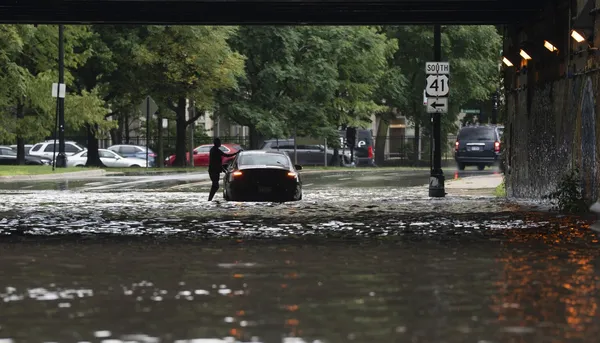
Heavy rainfall overwhelmed neighborhoods on the west and south sides of Chicago in the summer of 2023, causing severe flooding that damaged tens of thousands of homes and left residents grappling with lingering mold and costly repairs. Government data and local reports confirm that these flood events have become both more frequent and severe over recent decades, driven by climate change and antiquated city infrastructure.
A 2023 communication from University of Illinois researchers warned that intense rainfall events—already seven times more likely in Chicago than a century ago—are expected to get even worse in the next 25 years. The city's sewer system, designed to handle just two inches of rain in 24 hours, has repeatedly proven inadequate, with some storms dumping up to 8.5 inches in a single day. When these limits are exceeded, sewage and stormwater frequently back up into residential basements, causing significant property loss and health hazards due to mold and contamination.
Neighborhoods such as Austin, Chatham, and others with large African American and Latino populations have been particularly hard hit, according to community advocates. A nonprofit analysis found that nearly all the Chicago communities with the highest federal flood disaster claims between 2007 and 2016 were communities of color, highlighting a persistent pattern of disproportionate impact tied to historical underinvestment in infrastructure improvements.
While major initiatives like the "Deep Tunnel" project and hundreds of smaller efforts aim to address stormwater overflow, experts say these have not been enough. Proposed solutions include both large-scale engineering works, such as new tunnels for the southeast side, and nature-based strategies like wetland restoration in the Cook County Forest Preserves. Yet funding remains a major barrier, with some planned projects requiring budgets of up to $1 billion—and little of the recovery funding awarded after the 2023 floods having reached affected residents as of this year.
The city has begun installing permeable "green alleys" and playgrounds designed to absorb excess water, but only a fraction of streets and public spaces have been adapted to reduce runoff. Experts warn that Chicago's vulnerability will persist or grow unless the pace of investment accelerates, particularly in underserved neighborhoods.
Chicago officials say efforts to secure federal funds are ongoing, and both local and state agencies acknowledge the need for vastly improved infrastructure to keep pace with intensifying storms. Meanwhile, residents in the hardest-hit areas continue to call for swift action and support, as each new rainfall brings renewed anxiety and risk. The long-term solutions remain under development, with major projects still in the planning or evaluation stage.
📰 Related Stories
- Chicago Transit Authority Transitions to Reconfigured Regional Board Under NITA Act as City Manages FY 2026 Fiscal Operations Chicago • Sep 26, 2026
- CTA Advances Heavy Construction on $5.7 Billion Red Line Extension as Walsh-VINCI Mobilizes 130th Street Transit Corridor Chicago • Sep 26, 2026
- Chicago City Council Deliberates One-Year Data Center Moratorium as West Loop Approves 26-Story Residential Tower Chicago • Sep 26, 2026
- Jacksonville City Council Approves $2 Billion FY 2026-27 Budget with 18-1 Vote, Restoring $4.9M for Affordable Housing Trust Jacksonville • Sep 26, 2026