Rio Grande buoys spark environmental and treaty concerns as federal rollout begins
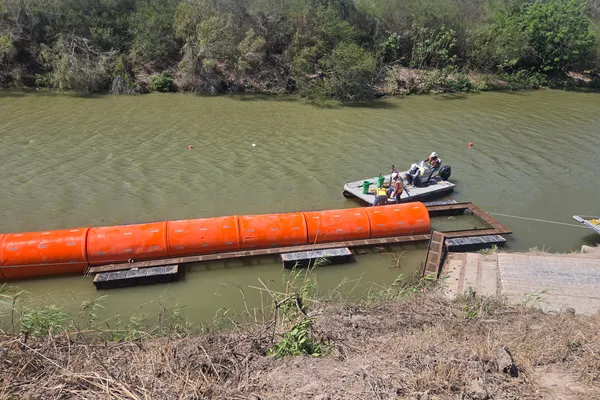
As of March 23, 2026, contractors have begun installing a 17-mile stretch of Rio Grande buoys near Brownsville, marking the first federal segment of a planned, much larger program. The Department of Homeland Security has issued sweeping waivers of federal environmental laws and awarded more than $1 billion in contracts to build a continuous, cylindrical barrier that officials say is intended to reduce illegal crossings.
Federal documents and contract records show the buoys are more than 12 feet long and 4–5 feet in diameter; BCCG Joint Venture received a $96 million award for the initial 17-mile section, a per-mile figure that analysts say would place the full project price in the billions. Other firms named in procurement filings include Cochrane USA, Spencer Construction LLC, Fisher Sand and Gravel and SLS Federal Services. Customs and Border Protection has described design standards saying the system will withstand a 100-year flood, but has not released technical data to the public.
Scientists and local officials warn the barriers could intensify flooding, trap debris, alter sediment patterns and raise binational treaty questions under the 1970 U.S.-Mexico water agreement. A commissioned analysis presented to a Laredo advisory committee on March 12 cautioned about anchors failing and unpredictable channel changes. County votes and public protests in the Rio Grande Valley reflect growing community opposition as installations continue along the river.
📰 Related Stories
- Christian Castro Released in Brownsville After Judge Denies Minnesota Bid to Halt Release Brownsville • Aug 28, 2026
- Christian Castro Extradition Case: Brownsville Judge Signals ICE Officer Could Leave Jail Brownsville • Aug 26, 2026
- Texas Court Interpreter Detained by ICE Amid Dispute Over Legal Status Brownsville • Apr 16, 2026
- Texas Ross Fire Burns More Than 90,000 Acres as Firefighters Battle Massive Blaze Palo Pinto • Sep 07, 2026