Regional Government of Madrid Advances €2.5B Metro Line 11 Gran Diagonal and Extends Line 1 into Madrid Nuevo Norte
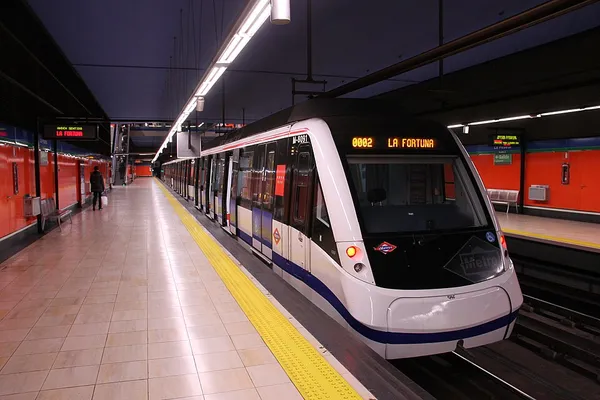
Transformative 33-Kilometre "Gran Diagonal" Reshapes Madrid Metropolitan Mobility
MADRID, Community of Madrid — Spearheading the most ambitious subterranean transit expansion in contemporary Southern Europe, President of the Community of Madrid Isabel Díaz Ayuso and the Regional Ministry of Housing, Transport, and Infrastructure have announced major civil engineering milestones on the landmark Metro Line 11 ("Gran Diagonal") project, while formally approving the multi-station extension of Metro Line 1 into the groundbreaking Madrid Nuevo Norte urban megaproject.
Representing a transformative multi-billion-euro public works investment, the Line 11 expansion evolves the route from a localized suburban shuttle in Carabanchel into a formidable 33.5-kilometre diagonal transit backbone traversing Madrid from the southwest at Cuatro Vientos directly through the urban core to Valdebebas and Madrid-Barajas Airport in the northeast. The corridor will dramatically rebalance commuter transit flows, reducing passenger transfers on central Line 6 and Line 10 by over 30 percent.
Subterranean Progress of the Giant 108-Metre Tunnel Boring Machine "Mayrit"
A major focal point of executive inspection has been the steady subterranean progress achieved by the colossal 108-metre-long tunnel boring machine (TBM) "Mayrit", excavating the pivotal central underground sector:
- Comillas to Conde de Casal Alignment: Mayrit is carving nearly 6 kilometres of deep subterranean boreholes beneath central Madrid, creating strategic interchange stations at Comillas, Madrid Río, Palos de la Frontera (connecting Line 3), and Atocha (connecting High-Speed AVE rail, Cercanías, and Line 1).
- Multimodal Conde de Casal Interchange: Construction is surging forward on a vast underground transit hub (*intercambiador de transportes*) at Conde de Casal, engineered to intercept hundreds of daily intercity buses from the A-3 motorway corridor and route passengers directly onto Metro Line 11.
- Advanced Tunnel Shield Technology: Deploying state-of-the-art earth pressure balance (EPB) tunneling shields to safeguard Madrid's historic architectural foundations and underground utility grids with millimeter surface precision.
- High-Capacity Automated Rolling Stock: Station platforms engineered to accommodate modern 6-car trains with continuous open-gangway walk-through carriages, high-resolution dynamic passenger information, and level platform accessibility.
Northern Expansion Toward IFEMA, Isabel Zendal, and Madrid-Barajas Airport T4
Concurrently, the regional transport authority has advanced multi-hundred-million-euro construction contracts for the northeastern leg of Line 11. Spanning 7.2 kilometres across multiple simultaneous construction lots, this phase connects Mar de Cristal to the IFEMA convention fairgrounds, the Hospital Enfermera Isabel Zendal, and the T4 terminal at Adolfo Suárez Madrid-Barajas Airport before terminating at Valdebebas Norte.
This northern link provides millions of residents across southern and eastern working-class districts with direct, rapid transit access to Spain's primary global aviation gateway without having to commute through congested downtown transfer stations.
Metro Line 1 Extension Anchors Europe's Largest Sustainable Urban Development
Complementing Line 11, President Díaz Ayuso officially confirmed the definitive alignment to extend Metro Line 1 north of Chamartín into the breaking-ground Madrid Nuevo Norte regeneration development. Featuring three newly engineered underground stations—Centro de Negocios, Fuencarral Sur, and Fuencarral Norte—the extension is projected to move over 175,000 daily commuters through Europe's most ambitious transit-oriented business and residential district, solidifying Madrid's position as a global leader in modern, green, and interconnected urban transit.
📰 Related Stories
- Comunidad de Madrid Reaches Major Construction Milestones on €500M+ Metro Line 11 Gran Diagonal Expansion Madrid • Oct 18, 2026
- Madrid Advances Europe's Largest Urban Regeneration Megaproject with Madrid Nuevo Norte Groundwork and Approvals Madrid • Oct 13, 2026
- Community of Madrid Accelerates €500 Million Metro Line 11 Expansion to Create 33-Kilometre Orbital Rapid Transit Spine Madrid • Oct 05, 2026
- Madrid Accelerates Active Urbanization on Madrid Nuevo Norte as Europe's Largest Regeneration Megaproject Progresses in Las Tablas Oeste Madrid • Oct 03, 2026