Comunidad de Madrid Reaches Major Construction Milestones on €500M+ Metro Line 11 Gran Diagonal Expansion
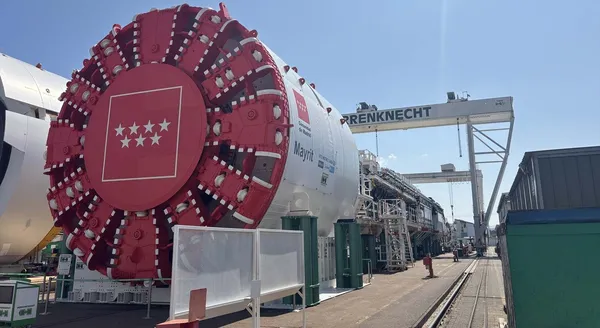
Transforming Line 11 into Madrid’s High-Capacity 33km Diagonal Spine
MADRID, Community of Madrid — In a transformative leap forward for Spain's largest regional transit network, the Comunidad de Madrid and Metro de Madrid have achieved decisive underground milestones on the landmark €500 million-plus Phase 1 extension of Metro Line 11. Designed to convert Line 11 into the monumental 33-kilometre “Gran Diagonal” crossing Madrid diagonally from southwest to northeast, the initial 6.7-kilometre section connects Plaza Elíptica directly to Conde de Casal, threading beneath the Manzanares River to interconnect major suburban and high-speed rail corridors.
Constructed by the joint venture consortium of Rover Infraestructuras, Acciona, and Dragados with co-financing from European Union infrastructure funds, the project provides critical congestion relief to Line 6 (the Circular Line)—the system’s most congested arterial—while linking previously underserved residential districts directly to Madrid’s high-speed rail network at Atocha.
Deployment of the Monumental 'Mayrit' Tunnel Boring Machine
Underground excavation along the 6.7-kilometre alignment showcases some of the most sophisticated civil engineering techniques deployed in southern Europe:
- The 98-Metre 'Mayrit' TBM: An Earth Pressure Balance (EPB) tunnel boring machine weighing 1,500 tonnes with a 9.4-metre excavation diameter, lining the tube with reinforced concrete universal rings.
- Five Landmark Passenger Stations: Delivers newly constructed stations at Comillas and Madrid Río, alongside major deep interchange complexes at Palos de la Frontera (Line 3), Atocha (Line 1, Cercanías commuter rail, and AVE high-speed rail), and Conde de Casal (Line 6 and regional coach terminal).
- Vertical Shaft Extraction Innovation: Replaces surface truck ramps with high-speed automated vertical soil hoisting systems at station caverns, dramatically minimizing street closures, urban dust, and neighborhood traffic disruption.
- Traditional Madrid Method Heritage: The initial 679-metre connection between Plaza Elíptica and Comillas was excavated using traditional subterranean drift tunnelling to safely navigate dense utility networks.
Advanced Progress Across Station Caverns and Tunnels
Regional infrastructure authorities confirmed that overall civil engineering on the central sector has surpassed 50 percent completion, with excavation works at Comillas and Madrid Río stations exceeding 60 percent. Tunnel breakthroughs (*cales*) have successfully connected primary underground shafts, enabling concrete track slab pouring, ventilation shaft installation, and escalator staging.
Concurrently, the regional Governing Council has initiated tendering for the subsequent €880 million northeastern extension from Mar de Cristal to Valdebebas Norte, which will link Madrid-Barajas Airport Terminal 4, IFEMA convention halls, and the Ciudad de la Justicia legal campus into Line 11's diagonal corridor.
Accelerating Modal Shift and Madrid's Net-Zero Mobility Future
Regional Transport Minister Jorge Rodrigo emphasized that the Line 11 Gran Diagonal serves as a structural catalyst for regional decarbonization. By allowing cross-city travelers to bypass central bottlenecks, the line will absorb an estimated 50,000 car trips daily from major motorways including the M-30 and A-3, slashing tailpipe greenhouse gas emissions while driving sustainable urban regeneration across Carabanchel, Arganzuela, and Retiro.
📰 Related Stories
- Regional Government of Madrid Advances €2.5B Metro Line 11 Gran Diagonal and Extends Line 1 into Madrid Nuevo Norte Madrid • Oct 23, 2026
- Madrid Advances Europe's Largest Urban Regeneration Megaproject with Madrid Nuevo Norte Groundwork and Approvals Madrid • Oct 13, 2026
- Community of Madrid Accelerates €500 Million Metro Line 11 Expansion to Create 33-Kilometre Orbital Rapid Transit Spine Madrid • Oct 05, 2026
- Community of Madrid Accelerates €1.8 Billion Metro Line 11 Diagonal Axis as TBM Mayrit Completes Key Tunnel Breakthrough and Line 6 Automation Advances Madrid • Oct 04, 2026