Mayor Michelle Wu Unveils Infrastructure Investments to Unlock Stalled Housing as Boston Expands ADUs and MBTA Safety Measures
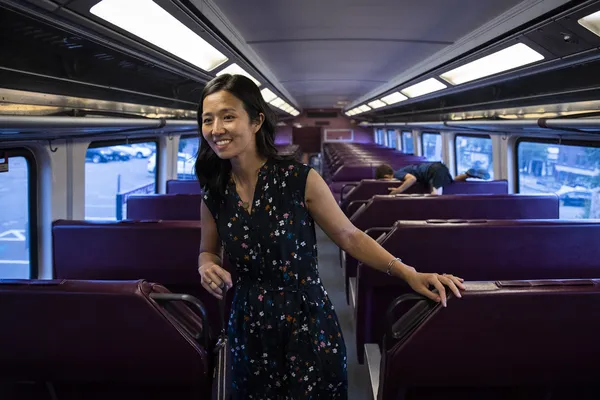
City Allocates Targeted Public Infrastructure Funds to Restart Stalled Housing Starts
BOSTON, Massachusetts — Confronting severe regional vacancy constraints and high financing costs, Boston Mayor Michelle Wu and the Boston City Council introduced an innovative public capital initiative in October 2026 designed to unlock stalled mixed-income housing developments. Under the framework, the city will utilize targeted municipal infrastructure funding to finance essential off-site site improvements—including water main connections, streetscape reconstructions, and electrical distribution enhancements—that traditionally stall private and non-profit residential development.
City housing administrators explained that assuming public utility costs directly lowers per-unit development expenses, allowing thousands of previously delayed residential units in Dorchester, Roxbury, and East Boston to proceed toward structural groundbreaking.
Citywide Accessory Dwelling Unit (ADU) Implementation Accelerates Neighborhood Living
Complementing large-scale residential construction, the Mayor’s Office of Housing reported accelerating neighborhood participation under Boston’s newly enacted Accessory Dwelling Unit (ADU) ordinance. The measure enables property owners of single-family and two-family homes to construct secondary residential apartments as-of-right, generating vital supplemental income for working homeowners while rapidly creating attainable rental options for students, healthcare workers, and seniors.
To expedite neighborhood adoption, the Boston Inspectional Services Department released pre-approved architectural blueprints and streamlined technical permitting toolkits, cutting upfront design costs and compressing review timelines.
Boston and MBTA Deliver Pedestrian Safety Upgrades Across Transit Stations
On municipal roadways, the Boston Transportation Department (BTD) collaborated with the Massachusetts Bay Transportation Authority (MBTA) to implement rapid street redesigns surrounding high-volume transit stops. Following community advocacy from council members, engineers constructed concrete pedestrian refuge islands, raised high-visibility crosswalks, and dedicated bus priority boarding lanes outside Forest Hills, Mattapan, and Orange Line terminals to eliminate traffic conflict points.
Neighborhood advocates and municipal leaders praised the unified agenda, noting that marrying attainable housing production with safer transit infrastructure guarantees an equitable and accessible Boston for every community.
📰 Related Stories
- Mayor Wu Implements 2030 Climate Action Plan and Appoints Streets Chief as Boston Expands Citywide ADU Rules Boston • Oct 14, 2026
- Mayor Wu Accelerates Boston Housing Strategy with Transit-Oriented Zoning and Citywide ADU Implementation Boston • Oct 13, 2026
- Mayor Wu Mobilizes $330M State HousingWorks Capital as MBTA Fast-Tracks Symphony Station and Tunnel Upgrades Boston • Oct 06, 2026
- Detroit Fast-Tracks Over 1,400 Affordable Housing Units Under PILOT Ordinance as DDOT Expands Bus Routes and Driver Workforce Detroit • Oct 14, 2026