Mayor Wu Accelerates Boston Housing Strategy with Transit-Oriented Zoning and Citywide ADU Implementation
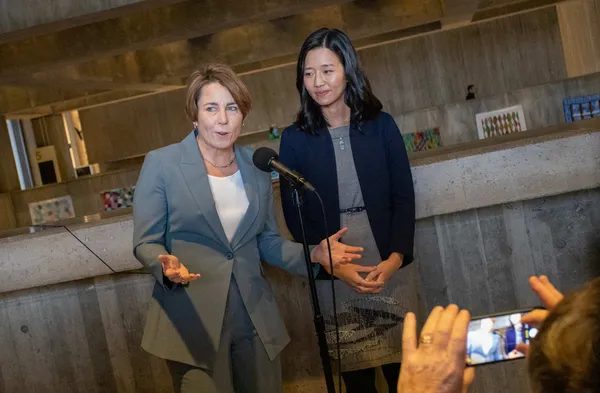
Mayor Wu and City Council Advance High-Density Housing Along MBTA Lines
BOSTON, Massachusetts — Tackling persistent regional affordability challenges with bold urban policy, Boston Mayor Michelle Wu and the Boston City Council approved targeted updates to the municipal Boston Housing Strategy in October 2026. The policy framework establishes streamlined permitting incentives for high-density, multi-family housing developments located within a 10-minute walk of Massachusetts Bay Transportation Authority (MBTA) subway and commuter rail stations across Dorchester, East Boston, and Mattapan.
Planning officials noted that tying residential density directly to rapid transit infrastructure fulfills the city’s climate resilience objectives by reducing vehicular emissions while lowering development costs through reduced mandatory parking minimums.
Citywide Accessory Dwelling Unit (ADU) Framework Enters Full Operation
Complementing transit-oriented developments, municipal inspectional services launched public guidance for Boston's newly enacted Accessory Dwelling Unit (ADU) ordinance, allowing single-family and two-family property owners to construct secondary rental units as-of-right. The program provides middle-class homeowners with supplemental income streams while rapidly creating lower-cost rental options for students, healthcare workers, and seniors.
To stimulate adoption, the Mayor’s Office of Housing deployed technical design toolkits and standardized pre-approved architectural layouts, cutting upfront architectural costs and expediting neighborhood construction timelines.
Bunker Hill Redevelopment and Green Line Infrastructure Accelerate
In Charlestown, construction crews marked intermediate milestones on the historic Bunker Hill Housing Redevelopment, erecting timber-framed, passive-house compliant residential buildings that will yield hundreds of permanently affordable homes. Concurrently, MBTA engineers finalized modern solid-state track signals along the Green Line, boosting operational reliability through central downtown tunnels.
Neighborhood leaders praised the city's cohesive vision, stressing that coupling accessible transit corridors with forward-thinking zoning ensures Boston remains inclusive and accessible for all communities.
📰 Related Stories
- Mayor Wu Mobilizes $330M State HousingWorks Capital as MBTA Fast-Tracks Symphony Station and Tunnel Upgrades Boston • Oct 06, 2026
- Mayor Wu Proposes Targeted Tax Abatements to Unlock 1,400 Housing Units as State Awards $330M Boston • Oct 05, 2026
- Mayor Wu Advances Tax Abatements to Accelerate 1,400 Homes as MBTA Undertakes October Rail Modernization Boston • Oct 05, 2026
- Mayor Bowser Unveils Multi-Ward Housing Package Delivering 1,200 Units as D.C. Weighs Housing Investment Protection Act Washington • Oct 13, 2026