Mayor Wu Implements 2030 Climate Action Plan and Appoints Streets Chief as Boston Expands Citywide ADU Rules
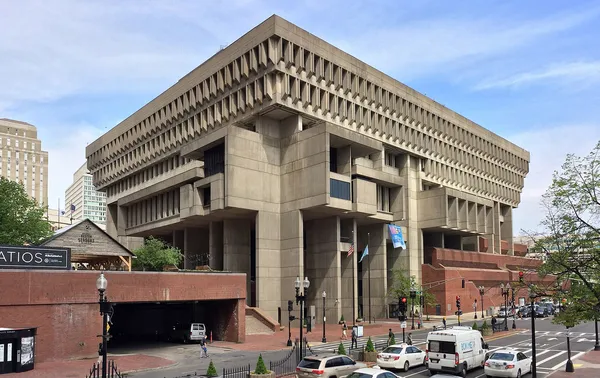
Mayor Wu Launches 2030 Climate Action Plan Targeting 50 Percent Emissions Cut
BOSTON, Massachusetts — Establishing a comprehensive environmental roadmap for New England's largest metropolis, Boston Mayor Michelle Wu officially initiated implementation of the 2030 Climate Action Plan in October 2026. The aggressive municipal strategy outlines binding benchmarks to reduce community-wide greenhouse gas emissions by 50 percent by 2030, charting an enforceable path toward full carbon neutrality across municipal and private sectors by 2050.
The plan unifies aggressive building decarbonization and clean energy retrofits through the Boston Energy Saver initiative with urgent physical coastal resilience infrastructure. City engineering crews are deploying flood barrier protections along vulnerable coastal zones in East Boston and the Seaport while accelerating urban tree canopy planting in environmental justice neighborhoods to counteract urban heat islands.
Chris Osgood Appointed Interim Chief of Streets to Lead Transit and Multimodal Expansion
In transportation leadership, Mayor Wu appointed seasoned municipal administrator and climate director Chris Osgood as Interim Chief of Streets to head the Boston Transportation Department. Osgood takes charge of vital roadway redesigns, transit safety corridors, and the expansion of the municipal Link Bus Program, supported by federal congestion relief grants to provide free and accessible neighborhood transit connections across Mattapan, Roxbury, and Allston-Brighton.
Transportation officials affirmed that ongoing stakeholder outreach along commercial thoroughfares like Blue Hill Avenue will ensure transit redesigns balance dedicated bus and bike infrastructure with essential local parking and commercial delivery needs.
Accessory Dwelling Unit (ADU) Implementation Unlocks Neighborhood Housing Density
Complementing climate and mobility efforts, the Mayor’s Office of Housing reported accelerating permitting applications under the city’s expanded Accessory Dwelling Unit (ADU) framework. Allowing property owners to build secondary residential suites as-of-right, the measure provides homeowners with steady supplemental income while rapidly generating affordable, gentle density housing for students, healthcare workers, and retirees.
Community organizers and city leaders praised Boston’s holistic policy integration, highlighting that combining aggressive climate action with dependable transit and neighborhood housing ensures a vibrant future for all Bostonians.
📰 Related Stories
- Mayor Michelle Wu Unveils Infrastructure Investments to Unlock Stalled Housing as Boston Expands ADUs and MBTA Safety Measures Boston • Oct 14, 2026
- Mayor Wu Accelerates Boston Housing Strategy with Transit-Oriented Zoning and Citywide ADU Implementation Boston • Oct 13, 2026
- Mayor Wu Mobilizes $330M State HousingWorks Capital as MBTA Fast-Tracks Symphony Station and Tunnel Upgrades Boston • Oct 06, 2026
- El Paso City Council Adopts FY 2026–2027 Budget Prioritizing $10M Street Maintenance as Sun Metro Secures $5.5M Clean Transit Grant El Paso • Oct 14, 2026