Detroit Fast-Tracks Over 1,400 Affordable Housing Units Under PILOT Ordinance as DDOT Expands Bus Routes and Driver Workforce
PILOT Fast Track Ordinance Compresses Affordable Housing Approvals to Under 60 Days
DETROIT, Michigan — Demonstrating the transformative potential of streamlined municipal tax policy, the Detroit City Council and the Housing and Revitalization Department reported that the Payment In Lieu of Taxes (PILOT) Fast Track ordinance has expedited more than 1,400 affordable housing units across the city in October 2026. By compressing administrative abatement approvals from 10 months down to under 60 days, the program has unlocked hundreds of millions in development capital and state equity financing.
Municipal housing officials confirmed that new and rehabilitated affordable units are currently moving forward across historic neighborhoods including Corktown, Midtown, and the North End, guaranteeing that long-term working Detroiters are protected against gentrification and escalating rental costs.
DDOT Deploys General Fund Operating Boost to Hire Operators and Boost Headways
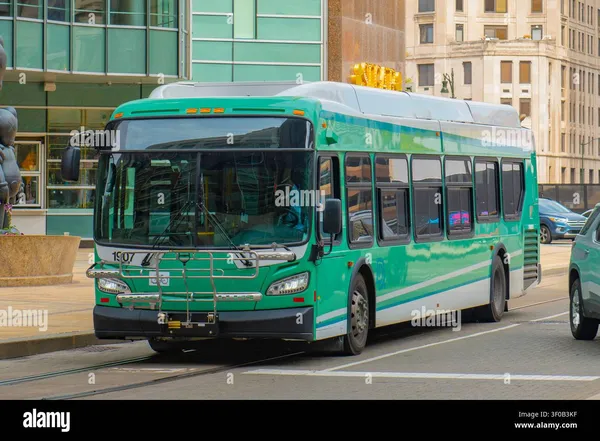
On city thoroughfares, the Detroit Department of Transportation (DDOT) finalized deployment strategies for expanded municipal general fund operating dollars approved by the City Council. The funding infusion fuels aggressive recruitment and competitive retention bonuses for certified transit operators and mechanics, enabling the transit agency to schedule hundreds of additional weekly bus runs along primary transit corridors including Woodward, Gratiot, and Grand River avenues.
Transit leadership noted that modernizations at the newly upgraded Coolidge Terminal on the city's west side have entered full operational capability, providing advanced maintenance bays and charging ports for clean-diesel and electric transit buses under the 'DDOT Reimagined' network plan.
Modern Passenger Shelters and Land Bank Partnerships Elevate Neighborhood Corridors
Complementing bus frequency improvements, DDOT maintenance crews installed dozens of modern, solar-illuminated passenger shelters equipped with digital schedule readouts and mobile device charging ports across neighborhood routes. Concurrently, the Detroit Land Bank Authority partnered with neighborhood associations to clear vacant parcels adjacent to transit stops, replacing blighted lots with landscaped community pocket parks.
Community organizers and city leaders commended the dual focus on housing acceleration and transit dependability, stating that accessible public transportation and quality neighborhood housing form the backbone of Detroit's sustained resurgence.
📰 Related Stories
- Grand Jury Indicts 'Michigan 12' Defendant in Detroit as Health Officials Urge Measles Shots and iGaming Generates $15.2M Tax Detroit • Nov 18, 2026
- Detroit City Council Delays $2.2B RenCen Vote to Nov. 24 as Tree Lighting Closures Begin Downtown Detroit • Nov 18, 2026
- GM Targets 20% Robotics Boost in North America as Metro Detroit Sees Gratiot Crash and Court Pleas Detroit • Nov 18, 2026
- Fort Worth Council Votes 10-0 to Annex 451 Acres Near Aledo as Tarrant County Crowds React to Election Shift Fort Worth • Nov 18, 2026