Sydney Celebrates Historic Transit Boom as Driverless Sydney Metro M1 Line Surpasses Millions of Passengers Beneath Sydney Harbour
Revolutionizing Commuter Transit Beneath Sydney Harbour
SYDNEY, New South Wales — In an unprecedented transformation of Australia's busiest metropolitan transport network, Sydney Metro has recorded surging passenger ridership following the operational launch of the M1 Northwest & Bankstown Line extension through the Sydney central business district. Traversing twin 15.5-kilometre railway tunnels bored deep beneath Sydney Harbour, the fully automated, driverless rapid transit line has cut cross-harbour travel times between Victoria Cross in North Sydney and Barangaroo to just three minutes, rendering the Harbour Bridge railway bottlenecks a relic of the past.
The $21.6 billion megaproject represents the largest public transit infrastructure delivery in Australian history. Operating at frequencies of every four minutes during peak morning and evening travel periods, the driverless trains carry more than 200,000 commuters daily, seamlessly integrating dense residential corridors in Sydney’s northwest directly with the city’s economic and cultural core.
Six Brand-New Underground Stations Shaping Urban Renewal
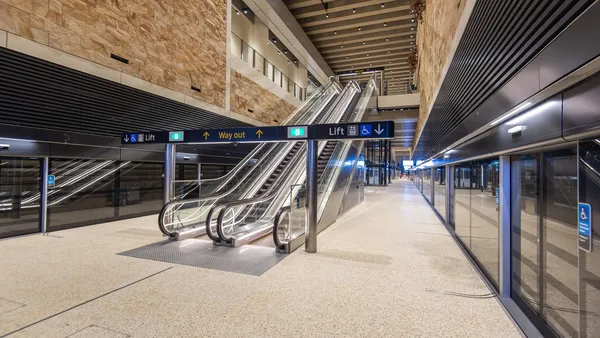
The subterranean CBD extension features six world-class, architecturally stunning underground stations: Crows Nest, Victoria Cross, Barangaroo, Martin Place, Gadigal (Pitt Street), and Central. Designed with expansive cavern concourses, direct natural light shafts, and universal step-free accessibility, each station is equipped with automated full-height glass platform screen doors that maximize passenger safety and maintain station climate efficiency.
At Martin Place and Central, transit-oriented commercial towers and civic plazas have risen above the station portals, delivering vibrant retail concourses, pedestrianized walkways, and effortless step-free interchanges with Sydney Trains suburban rail, light rail routes, and regional coach services.
Driverless Alstom Metropolis Trainsets and Communications-Based Control
The M1 corridor operates a fleet of 45 custom-built, six-car Alstom Metropolis driverless trainsets manufactured with lightweight aluminum carbodies and high-efficiency electric motors. Governed by Urbalis 400 Communications-Based Train Control (CBTC) signaling, the trains operate under Grade of Automation 4 (GoA4)—the highest standard of automated rail operation worldwide—enabling precision braking, real-time timetable adjustments, and regenerative braking energy recovery.
Inside each trainset, multi-tier safety cameras, emergency passenger intercoms, real-time route diagrams, and level-boarding thresholds provide world-class safety and comfort for passengers carrying prams, bicycles, or utilizing mobility devices.
Laying the Foundation for Greater Sydney’s Three Cities Vision
New South Wales Government transport officials and Transport for NSW highlighted that the rapid success of the city metro corridor establishes the core spine for the state’s long-term Three Cities Metropolitan Strategy. With upcoming connections advancing across the Metro Western Sydney Airport line and Metro West between Parramatta and the CBD, Sydney is rapidly emerging as one of the world's most connected, climate-resilient global cities.
📰 Related Stories
- Sydney Accelerates Multi-Billion-Dollar Transport Revolution as Sydney Metro West and Western Sydney Airport Reach Decisive Milestones Sydney • Oct 13, 2026
- New South Wales Accelerates $25 Billion Sydney Metro West Megaproject with Heavy Tunneling Breakthroughs and Station Cavern Excavations Sydney • Oct 13, 2026
- Sydney Metro Western Sydney Airport Completes 23-Kilometre Track Installation and Advances Station Fit-Outs on $11 Billion Rail Link Sydney • Oct 05, 2026
- Transport for NSW Launches $2.875 Billion Parramatta Light Rail Stage 1 Connecting Westmead to Carlingford Parramatta • Oct 05, 2026