Heat Wave of 1936 Sparks Controversial Dress Code Enforcement in Covington, Kentucky
Examining Historical Perspectives on Women's Attire Enforcement
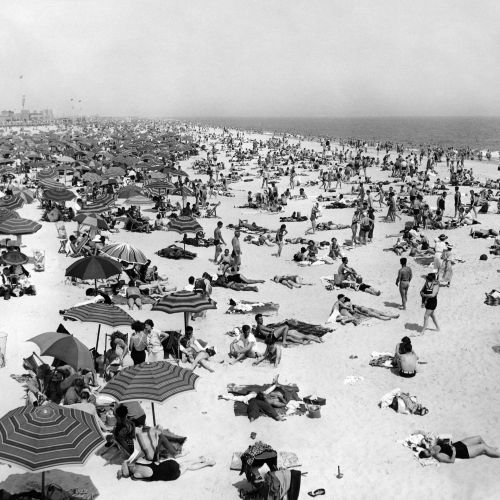
In the sweltering summer of 1936, a devastating heat wave swept across the United States, claiming approximately 5,000 lives and igniting controversial social responses to the extreme weather. In Covington, Kentucky, these responses included attempts to police women's summer clothing, as recounted in Geoff Williams' upcoming book, The Summer of Death: The Great Heat Wave of 1936 and the Making of Modern-Day America, published by Pegasus Books.
The narrative unfolds around a peculiar initiative led by Elizabeth Cohran, a female police officer known as a police matron. Cohran, a trailblazer in her role, was tasked with a mission to monitor and potentially cite young girls and women who crossed the line of propriety with their warm-weather attire, particularly shorts and halter tops.
In her own words, Cohran expressed concern in an interview at the time, stating, “The heat of the past few days has brought them out. Now, I think the shorts and halters are perfectly lovely in the right place. The streets, however, are no place for them.” Her viewpoint, while seemingly protective, reflected the beliefs of a woman shaped by the societal norms of the early 20th century, where modesty was highly valued and women’s safety was often framed within concepts of appropriate dress.
A notable response came from John Ames, the acting secretary director of Cincinnati, who challenged Cohran’s stance. “I don’t think that under the law, shorts and halters would be defined as contributing to indecent exposure. They seem to have become an accepted custom,” he said, indicating a growing cultural acceptance of more casual summer attire.
The Context of Gender and Policing in 1936
The efforts by Cohran raise deeper questions about societal expectations and gender roles in the 1930s. Serving in a predominantly male field, she represented a shift in law enforcement yet perpetuated a moral code that many deemed outdated. Born in 1891, Cohran's perspective on women’s clothing may have been influenced by her experiences with male objectification, leading her to take a protective stance against what she viewed as potential threats to young women.
Moreover, the enforcement of such a dress code during a public health crisis speaks to broader themes of societal governance in times of distress. While the heat wave brought forth significant challenges for residents, such as health risks and fatalities, it also stirred a backlash against perceived moral decline, particularly in the behavior of women.
Williams' book, scheduled for release in June 2026, will delve into how such historical instances help shape contemporary attitudes towards women's rights and societal pressures. As citizens grapple with modern challenges regarding personal expression and safety, a look back at the 1936 heat wave serves as a valuable reminder of the complexities surrounding women's attire and public perception.
As the discourse continues, parallels can be drawn to similar challenges faced today, reflecting ongoing struggles over bodily autonomy and self-expression. The lessons from 1936 remind us that social mores are ever-evolving, shaped by both historical context and contemporary dialogue.
In summary, while Cohran's intentions might have been protective, the legacy of her actions invites reflection on the balance between community standards and individual freedoms. Williams' work promises to shed light on these themes, offering readers an essential historical perspective.
📰 Related Stories
- Congressional Delegation Visits Kentucky ICE Detention Center Amid Concerns Over Medical Care for Chicago Detainees Newport • Jul 28, 2026
- Two Bank Employees Fatally Shot During Robbery in Berea; Suspect Sought by Police Berea • May 01, 2026
- Over $5 Million Floods Kentucky Primary as Trump Targets Rep. Thomas Massie for Defeat Hebron • Mar 12, 2026
- San Diego MTS Enacts $482.5 Million Operating Budget and October 1 Fare Update as Station-Area Housing Expands San Diego • Sep 30, 2026