Greater Manchester Surpasses 500 Electric Buses on Bee Network and Outlines Multimodal Rail Integration
Mayor Andy Burnham Celebrates Major Fleet Milestone in the Publicly Controlled Bee Network
MANCHESTER, Greater Manchester — In a landmark triumph for devolved British transport infrastructure, Mayor of Greater Manchester Andy Burnham and Transport for Greater Manchester (TfGM) have announced that the Bee Network has officially surpassed 500 zero-emission electric buses operating across the regional network. Representing the first comprehensive return of municipal buses to full public control outside London in nearly four decades, the milestone cements Greater Manchester’s position at the forefront of clean urban mass transit.
The rapidly expanding battery-electric fleet, assembled in part through British manufacturing partnerships with Wrightbus and Alexander Dennis, is supported by newly transformed, fully electrified bus depots at Oldham, Hyde Road, Ashton, and Bolton. Across nearly 100 fully electric bus lines, passengers benefit from whisper-quiet propulsion, USB charging terminals at every seat, digital real-time route screens, and enhanced accessibility for wheelchair users and parents with prams.
Multi-Modal Rail Integration: 14 Train Stations Join Tap-in Tap-out Ticketing by December 2026
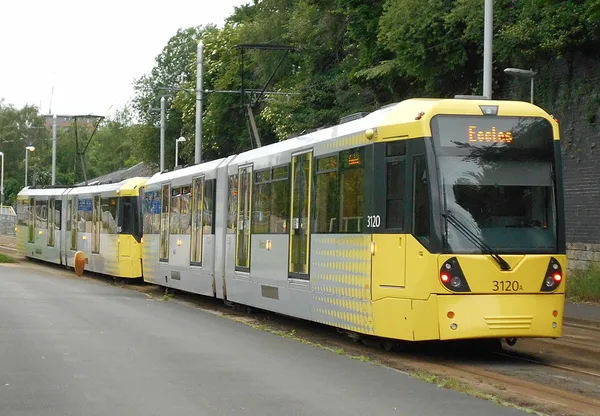
Building on the successful unification of franchised buses and the Metrolink light rail tram network, TfGM has formalized its blueprint to incorporate regional heavy rail into the Bee Network:
- Phase One Commuter Rail Activation: Commencing December 2026, 14 passenger rail stations along the Glossop to Manchester Piccadilly corridor will join the unified Bee Network ticketing framework.
- Frictionless Tap-in Tap-out Fares: Commuters will enjoy seamless contactless card and mobile payments automatically capped at the most economical multi-modal daily rate across rail, tram, and bus services.
- 2027 Phase Two Expansion: Incorporating an additional 15 stations by spring 2027, covering the Stalybridge to Victoria line and the Rose Hill, Marple, and Hyde Loop routes.
- All-Night Transit Expansion: Following successful pilot programs, round-the-clock 24-hour weekend bus services have been extended across every borough, supercharging Manchester's hospitality and nightlife economies.
Regional Economic Growth and Clean Air Decarbonization Targets
Econometric analysis published by the Greater Manchester Combined Authority (GMCA) reveals that public transport patronage has grown by double digits since franchising commenced, keeping millions of pounds in regional passenger fares directly reinvested into service frequency and route preservation. The network’s electric bus deployment directly eliminates thousands of tonnes of carbon emissions annually, directly supporting the city-region’s statutory mandate to reach carbon net-zero by 2038.
By seamlessly weaving together electric buses, high-frequency Metrolink trams, and national commuter rail under a unified public identity, Greater Manchester is demonstrating how integrated public transport creates regional economic prosperity and sustainable urban living.
📰 Related Stories
- Transport for Greater Manchester Integrates First 14 Heavy Rail Stations into the Bee Network with Contactless Capping Manchester • Oct 23, 2026
- Greater Manchester Achieves Full Bee Network Integration as Public Bus Franchising Completes Across All Ten Metropolitan Boroughs Manchester • Oct 23, 2026
- Greater Manchester Integrates First Local Rail Lines into Bee Network with Contactless Fares Across 17 Stations Manchester • Oct 18, 2026
- Greater Manchester Completes Landmark Bee Network Bus Franchising and Advances Integrated Contactless Rail Network Manchester • Oct 05, 2026