Greater Manchester Completes Landmark Bee Network Bus Franchising and Advances Integrated Contactless Rail Network
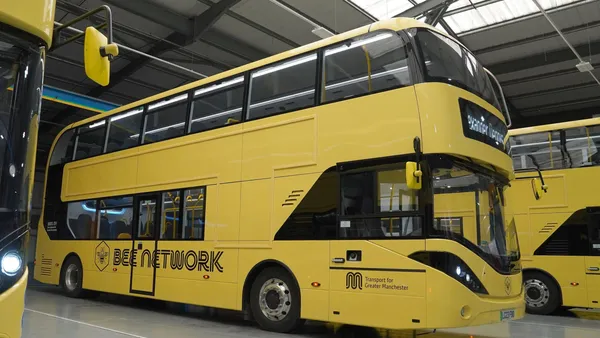
Historic Restoration of Public Transport Control Across Greater Manchester
MANCHESTER, Greater Manchester — In a watershed achievement that is reshaping modern British urban transportation, Transport for Greater Manchester (TfGM) and the Greater Manchester Combined Authority (GMCA) have successfully concluded the full transition of the landmark Bee Network. Marking the first time in nearly four decades that a UK metropolitan region outside London has brought its entire bus network under unified public municipal control, all ten boroughs of Greater Manchester are now operating under a synchronized, publicly regulated franchising system.
Since dismantling the deregulated bus framework that had governed regional services since 1986, the Bee Network has restored public accountability over bus timetables, fares, route planning, and fleet quality. Operating with an unwavering focus on passenger reliability, franchised bus punctuality across the conurbation has climbed past 80 percent, while passenger patronage has surged with millions of additional journeys logged across Manchester, Salford, Bolton, Wigan, Bury, Rochdale, Oldham, Stockport, Tameside, and Trafford.
Seamless Rail Integration and Contactless Tap-In Tap-Out Ticketing
Building upon the bus franchising rollout, TfGM is delivering the next transformative chapter of the Bee Network: the comprehensive integration of local suburban rail lines into the regional smart ticketing architecture. Beginning with the commuter rail corridors connecting Manchester Piccadilly to Glossop and Stalybridge, local rail services are adopting unified Bee Network branding and integrating into the contactless 'tap-in, tap-out' fare capping technology already standard on Metrolink trams and franchised buses.
This unified ticketing system eliminates the historical burden of purchasing separate tickets for disparate transit operators. Passengers traveling across train, tram, and bus modes can simply tap their contactless payment card or mobile wallet, with intelligent back-office fare engines automatically calculating the cheapest possible daily cap, anchored by the popular £2 single bus fare and discounted hopper transfers.
Zero-Emission Fleet Modernization and 24-Hour Night Transit Networks
To support Greater Manchester's ambitious 2038 carbon neutrality mandate, the Bee Network is deploying one of the greenest bus fleets in Europe. Hundreds of brand-new, zero-emission British-built battery-electric double-decker buses—manufactured by Alexander Dennis and Wrightbus—are entering daily revenue service, operating out of electrified bus depots equipped with rapid overhead pantograph and plug-in DC charging hubs.
Recognizing the vital requirements of the nighttime economy, hospitality workers, and healthcare professionals, TfGM has expanded permanent 24-hour bus operations across essential regional arterial corridors connecting town centres to central Manchester and Manchester Airport. These round-the-clock transit corridors operate with dedicated on-board CCTV, real-time vehicle telematics, and enhanced TravelSafe security patrols.
The Blueprint for Public Transport Renaissance Across the United Kingdom
Greater Manchester civic leaders and transport commissioners highlighted that the Bee Network provides an undeniable empirical blueprint for regional transport empowerment nationwide. By combining active travel cycling routes, pedestrian boulevards, Metrolink light rail, municipal buses, and national rail into a singular coherent brand, Manchester is demonstrating how integrated public transport unlocks commercial productivity, cleaner urban air, and social mobility across the North of England.
📰 Related Stories
- Greater Manchester Readies Bee Network for Historic Rail Integration with Tap-In Tap-Out Ticketing Across 17 Stations Ahead of December Launch Manchester • Oct 04, 2026
- Greater Manchester Combined Authority Approves Four New Mayoral Development Corporations to Accelerate Regional Housing and Overhauls Piccadilly Station Masterplan Manchester • Oct 04, 2026
- Greater Manchester Prepares Milestone Rail Integration into Bee Network as 17 Stations Adopt Tap-in Tap-out Ticketing Alongside £150 Million Metrolink Renewal Manchester • Oct 03, 2026
- Birmingham Curzon Street Station Reaches Major Engineering Milestone with Platform Deck Beams and Eastside Metro Integration Birmingham • Oct 05, 2026