What to Do If You Experience Blistering After Laser Tattoo Removal Treatment
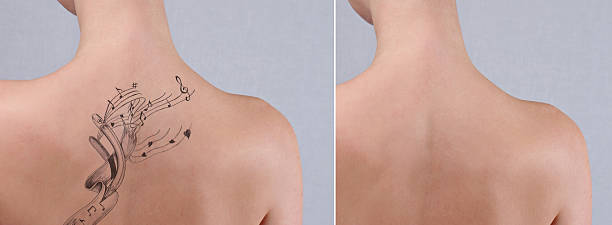
Understanding Blistering After Laser Tattoo Removal
Blistering can occur after laser tattoo removal, and although it may look concerning, it can be a normal part of the skin’s healing response. Laser treatment uses concentrated light energy to break down tattoo ink particles, allowing the body to gradually eliminate them. During this process, the treated skin may experience temporary inflammation, redness, swelling, or small fluid-filled blisters.
If you are considering Laser Tattoo Removal in Riyadh, understanding how to manage these reactions can help you protect your skin and support a smoother recovery. Blistering does not automatically mean something has gone wrong, but proper aftercare is essential to reduce the risk of infection, scarring, and unwanted pigmentation changes.
Why Do Blisters Develop After Laser Tattoo Removal?
The Skin’s Natural Response to Laser Energy
Laser energy interacts with tattoo pigments beneath the skin, creating a controlled response that helps break down the ink. The surrounding skin may also become temporarily irritated, resulting in swelling or fluid-filled blisters. These reactions can vary depending on the treatment intensity, tattoo characteristics, skin sensitivity, and the individual’s healing process.
Factors That May Increase Blistering
Certain factors can make blistering more likely, including sensitive skin, the location and density of the tattoo, the laser settings used, and exposure to heat or friction after treatment. Scratching the treated area or failing to follow aftercare instructions may further irritate the skin.
What to Do If You Experience Blistering After Treatment
Keep the Treated Area Clean
Gently clean the treated skin according to your provider’s instructions. Use mild soap and clean water when appropriate, and avoid rubbing or scrubbing the area. Pat the skin dry with a clean towel rather than applying pressure. Good hygiene helps reduce the risk of infection while the skin heals.
Never Pop or Pick at Blisters
Although blisters may feel uncomfortable, resist the temptation to pop them. The fluid inside helps protect the underlying skin while it repairs itself. Breaking a blister can expose delicate tissue to bacteria and increase the likelihood of infection, delayed healing, and scarring.
If a blister breaks accidentally, gently clean the area and protect it with a sterile, non-stick dressing as advised by your healthcare provider.
Apply a Cool Compress
A clean, cool compress may help relieve discomfort and swelling. Apply it gently for short periods, avoiding direct ice contact with the skin. Excessive cold or pressure can cause further irritation, so keep the approach gentle.
Follow Professional Aftercare Instructions
Your provider may recommend a suitable dressing or a specific ointment depending on the condition of your skin. Avoid applying alcohol, hydrogen peroxide, fragranced products, or unapproved home remedies to the treated area. These substances can irritate healing skin and interfere with recovery.
When Should You Seek Medical Advice?
Recognizing Warning Signs
Mild redness, tenderness, and limited blistering may occur after treatment. However, increasing pain, spreading redness, unusual warmth, pus, worsening swelling, or fever may indicate an infection or another complication that needs prompt medical assessment.
Large blisters, extensive skin damage, or symptoms that continue to worsen should also be evaluated by a qualified healthcare professional. Seek urgent medical attention if you develop rapidly spreading redness, severe pain, or other significant symptoms.
How to Support Healthy Skin Recovery
Protect Your Skin From Sun Exposure
Freshly treated skin is more vulnerable to irritation and pigmentation changes. Keep the area covered with loose, clean clothing when possible, and follow professional advice about sun protection. Once the skin has healed sufficiently, use broad-spectrum sunscreen on exposed areas as recommended.
Avoid Friction and Excessive Heat
During recovery, avoid tight clothing that rubs against the treated area, strenuous activities that cause excessive irritation, and activities that expose the skin to excessive heat. Do not resume treatment until the skin has healed and your provider confirms that it is appropriate.
Allow Enough Time Between Sessions
Healing times vary depending on the tattoo, treatment area, and individual skin response. Additional sessions should only take place after the skin has recovered adequately. Allowing sufficient healing time supports safer treatment and gives the body an opportunity to continue clearing fragmented ink particles.
Frequently Asked Questions
Is blistering normal after laser tattoo removal?
Blistering can be a common temporary reaction after laser tattoo removal. However, the severity varies, and significant or worsening blistering should be assessed by a healthcare professional.
How long do blisters take to heal after treatment?
Small blisters may heal over several days to approximately two weeks, depending on their severity and individual healing. Larger or complicated blisters may take longer and require professional care.
Should I apply cream to laser tattoo removal blisters?
Use only products recommended by your healthcare provider. Avoid experimenting with home remedies or medicated creams without professional guidance.
Can blistering cause scars after laser tattoo removal?
Blistering does not necessarily lead to scarring. However, popping blisters, developing an infection, or picking at healing skin can increase the risk of scars and pigmentation changes.
Can I continue laser tattoo removal if my skin is blistered?
Further treatment should generally be postponed until the skin has healed completely and a qualified provider has assessed the treated area. Treating damaged skin too soon may increase the risk of complications.
Consult Enfield Royal Clinic for Laser Tattoo Removal Guidance
Experiencing blistering after tattoo removal can be worrying, but appropriate aftercare and timely professional guidance can help protect your skin. Enfield Royal Clinic can provide information about laser tattoo removal, treatment preparation, and aftercare considerations. If you experience persistent or concerning blistering, seek an appropriate medical assessment to determine the safest next steps for your skin.
📰 Related Stories
- Laser Tattoo Removal in Riyadh: Consultation and Care Riyadh • Oct 05, 2026
- What Are the Common Risks and Complications of Rhinoplasty? Riyadh • Nov 07, 2026
- How Is High-Definition Liposuction Different From Standard Liposuction? Riyadh • Nov 07, 2026
- How Many Sessions of Fat Melting Injections Might You Need? Riyadh • Nov 04, 2026