Laser Tattoo Removal in Riyadh: Consultation and Care
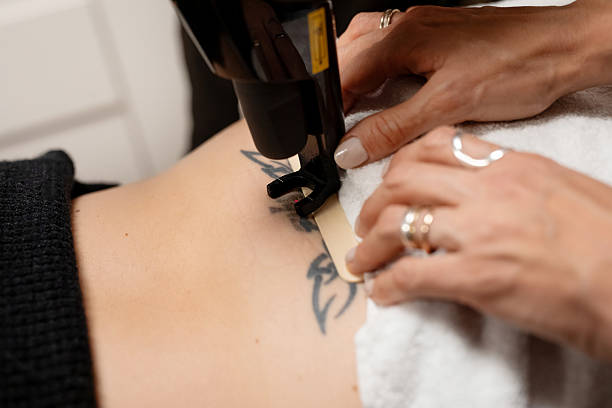
Tattoos can be a meaningful form of self-expression, but personal preferences can change over time. Whether you want to fade an old design, remove an unwanted tattoo, or prepare your skin for a new aesthetic goal, modern treatment options can provide a practical solution. Laser Tattoo Removal in Riyadh is widely considered an advanced approach for reducing unwanted tattoo ink while supporting the skin’s natural healing process.
Understanding Tattoo Removal Treatment Options
People considering tattoo removal riyadh often want to understand how the procedure works, what results they may expect, and how many sessions could be appropriate. Laser treatment uses controlled light energy to target tattoo pigments beneath the skin. The energy breaks the pigment into smaller particles, which the body gradually processes and eliminates. The approach can be adjusted according to the tattoo’s color, size, location, age, and ink characteristics.
How Laser Tattoo Removal Works
During a laser treatment session, specialized laser energy is directed toward the tattoo while minimizing exposure to the surrounding skin. Different wavelengths may be selected depending on the colors and characteristics of the tattoo. Darker pigments can often respond differently from lighter or more complex colors, which is why an individualized assessment is important before treatment begins.
Factors That Influence Treatment
Every tattoo responds differently to removal treatment. The type and depth of ink, tattoo age, skin characteristics, color combinations, and location can all influence the treatment plan. Professional assessment helps determine the most suitable approach and allows the treatment provider to establish realistic expectations. Multiple sessions may be necessary because the body needs time between treatments to process fragmented pigment.
Consultation for Tattoo Removal in Riyadh
A consultation is an important part of planning tattoo removal. During the assessment, the tattoo can be examined to determine its size, colors, placement, and overall characteristics. The skin surrounding the tattoo may also be evaluated to identify factors that could affect treatment. This consultation provides an opportunity to discuss your goals, previous tattoo treatments, and any concerns you may have.
Creating a Personalized Treatment Plan
A personalized plan can help ensure that treatment is approached gradually and appropriately. Rather than applying the same settings to every tattoo, treatment parameters can be considered according to individual skin and tattoo characteristics. This personalized approach can support effective pigment reduction while prioritizing skin safety and comfort.
What to Expect During Recovery
After laser tattoo removal, the treated area may experience temporary redness, sensitivity, swelling, or other mild skin reactions. These effects can vary depending on the treatment intensity and individual skin response. Following the recommended aftercare instructions is important for supporting the skin during recovery.
Caring for Treated Skin
Keeping the treated area protected and following professional aftercare guidance can help promote appropriate healing. Avoiding unnecessary irritation and protecting the area from excessive sun exposure are particularly important. Patients should also avoid picking, scratching, or disturbing the treated skin while it heals.
Choosing the Right Tattoo Removal Approach
Selecting a suitable treatment provider is an important part of the tattoo removal journey. Patients should look for a clinic that emphasizes professional assessment, modern treatment techniques, individualized planning, and appropriate aftercare. A thorough consultation can help you understand the process and determine whether laser treatment aligns with your specific tattoo removal goals.
Frequently Asked Questions
Is laser tattoo removal suitable for every tattoo?
Laser treatment can be used for many tattoo types, but results vary according to factors such as pigment color, ink depth, tattoo size, and skin characteristics. A professional consultation is recommended to assess suitability.
How many sessions are required for tattoo removal?
The number of sessions varies from person to person. Tattoo characteristics, ink composition, skin response, and the desired degree of removal can all influence the overall treatment plan.
Is tattoo removal painful?
Patients may experience temporary discomfort during treatment, often described as a snapping or warming sensation. The level of discomfort can vary depending on the tattoo and individual sensitivity.
Can all tattoo colors be removed equally?
Different ink colors can respond differently to laser wavelengths. Some colors may require specific treatment approaches, making professional assessment important before beginning the process.
What should I do after laser tattoo removal?
Following the recommended aftercare instructions is essential. Protecting the treated area, avoiding unnecessary irritation, and following professional guidance can support healthy recovery.
Consultation at Enfield Royal Clinic
If you are considering tattoo removal and want to understand which approach may suit your skin and tattoo characteristics, a professional consultation can provide valuable guidance. Enfield Royal Clinic can help you explore suitable treatment options, understand the process, and develop a personalized plan focused on your aesthetic goals and skin care needs.
📰 Related Stories
- What to Do If You Experience Blistering After Laser Tattoo Removal Treatment Riyadh • Oct 19, 2026
- What Are the Common Risks and Complications of Rhinoplasty? Riyadh • Nov 07, 2026
- How Is High-Definition Liposuction Different From Standard Liposuction? Riyadh • Nov 07, 2026
- What Happens During an Eye Bag Removal Procedure? Riyadh • Nov 07, 2026