How Is High-Definition Liposuction Different From Standard Liposuction?
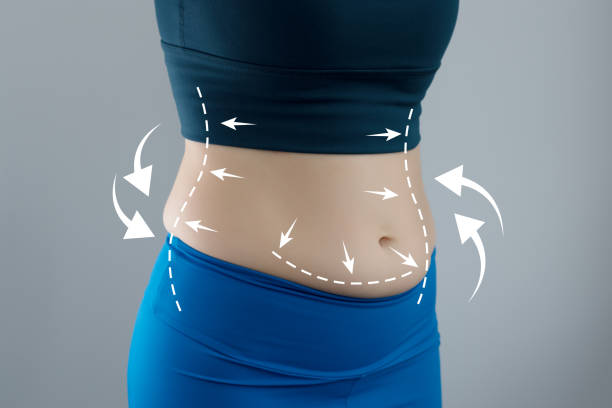
Body-contouring procedures offer different ways to reduce stubborn fat and improve physical proportions. Standard liposuction focuses on removing localized fat deposits, while high-definition liposuction aims to create more detailed contours that highlight the body's underlying muscle structure. Although both procedures use fat-removal techniques, their goals, surgical planning, and expected results can differ. Understanding these distinctions can help individuals considering Liposuction procedure in Riyadh (شفط الدهون في الرياض) choose an approach that better matches their body-contouring expectations.
What Is Standard Liposuction?
Standard liposuction, also called traditional or suction-assisted liposuction, is a surgical procedure designed to remove unwanted fat from specific body areas. It uses a thin instrument called a cannula, which is inserted through small incisions to loosen and suction out targeted fat deposits.
How Does Standard Liposuction Work?
The procedure generally involves several steps:
-
Consultation: The surgeon evaluates fat distribution, skin elasticity, medical history, and treatment goals.
-
Anesthesia: Local anesthesia, sedation, or general anesthesia may be used depending on the extent of treatment.
-
Incision placement: Small incisions are made in appropriate locations.
-
Fat removal: A cannula is moved through the targeted tissue to loosen and extract fat using suction.
-
Recovery support: Incisions are managed, and compression garments may be recommended.
Standard liposuction can treat areas such as the abdomen, waist, thighs, upper arms, back, and chin. Its primary objective is to reduce localized fat and create smoother body contours rather than highlight individual muscles.
What Is High-Definition Liposuction?
High-definition liposuction is a more specialized body-contouring approach designed to create greater visual definition by carefully removing fat around selected muscle groups. Instead of simply reducing overall fullness, the surgeon plans fat removal to emphasize natural anatomical contours.
It is commonly considered for areas such as the abdomen, waist, chest, and flanks, depending on the patient's anatomy and goals.
How Does High-Definition Liposuction Work?
The procedure involves detailed assessment and carefully planned fat removal. The surgeon identifies natural muscle boundaries and evaluates where fat reduction may improve visible definition.
The process may include:
-
Body assessment: The surgeon examines muscle development, fat distribution, and skin quality.
-
Contour planning: Treatment areas are mapped according to the patient's natural anatomy.
-
Fat removal: A cannula is used to remove selected fat deposits at different depths, depending on the surgical plan.
-
Muscle definition: Fat is carefully reduced around selected anatomical structures to create more visible contours.
-
Postoperative care: Compression garments and recovery instructions help support healing.
Some high-definition techniques may use specialized technologies, such as ultrasound-assisted liposuction, to help separate fat before extraction. However, the exact method depends on the surgeon's approach and the patient's needs.
Key Differences Between High-Definition and Standard Liposuction
Although both procedures involve fat removal, they are designed to achieve different aesthetic outcomes.
Treatment Goals
Standard liposuction focuses on reducing localized fat and improving overall body proportions. High-definition liposuction aims to create more noticeable muscle contours by removing fat strategically around selected anatomical areas.
Level of Contouring
Standard liposuction generally aims for smoother and more balanced body contours. High-definition liposuction involves more detailed planning to emphasize natural muscle lines, such as abdominal definition.
Candidate Requirements
Standard liposuction may be suitable for individuals with stubborn fat deposits and reasonable skin elasticity. High-definition liposuction generally requires more carefully selected candidates with visible underlying muscle development, relatively low body fat, and good skin quality.
Surgical Planning
Standard liposuction focuses on the amount and distribution of unwanted fat. High-definition procedures require additional attention to muscle anatomy, natural contour lines, and the relationship between treated and untreated areas.
Expected Appearance
Standard liposuction may create a slimmer or smoother appearance in the treated area. High-definition liposuction aims for a more sculpted appearance, but results depend on existing muscle structure, skin characteristics, and individual healing.
Which Areas Can Be Treated With High-Definition Liposuction?
High-definition liposuction is commonly associated with areas where muscle contours can be emphasized.
Abdomen
Abdominal high-definition liposuction may help highlight natural muscle lines in carefully selected individuals. The outcome depends on existing abdominal muscle development and the amount of fat covering the muscles.
Waist and Flanks
Treatment around the waist and flanks may help create a more defined transition between the abdomen and hips. Careful planning is necessary to maintain balanced proportions.
Chest
In selected men, high-definition contouring may improve the appearance of chest definition by reducing localized fat. However, enlarged glandular tissue associated with gynecomastia may require surgical removal rather than fat removal alone.
Back
Selected fat deposits around the back may be treated to improve the transition between the waist, upper body, and surrounding contours.
Who Is an Ideal Candidate for Each Procedure?
The appropriate procedure depends on body composition, skin elasticity, overall health, and aesthetic goals.
Candidates for Standard Liposuction
Standard liposuction may be appropriate for individuals who:
-
Have localized fat deposits that remain despite lifestyle efforts.
-
Maintain a relatively stable weight.
-
Have reasonable skin elasticity.
-
Want to improve the contours of specific body areas.
-
Have realistic expectations about fat removal.
Candidates for High-Definition Liposuction
High-definition liposuction may be considered for individuals who:
-
Have relatively low and stable body fat.
-
Have developed underlying muscles through regular exercise.
-
Have good skin elasticity.
-
Want more visible muscle contours rather than general fat reduction.
-
Understand the limitations and risks of detailed body sculpting.
People with significant excess skin, limited muscle development, or substantial weight fluctuations may not be suitable candidates for high-definition treatment.
What Results Can You Expect?
Results vary according to the technique, body composition, amount of fat removed, and individual healing response. Standard liposuction generally aims to reduce localized fullness, while high-definition liposuction aims to produce more detailed contours.
Neither procedure builds muscle or replaces exercise. High-definition results are particularly dependent on the patient's existing muscle structure and overall body composition.
For individuals considering Liposuction procedure in Riyadh, a professional assessment can help determine whether standard fat removal or more detailed contouring is appropriate.
Recovery and Possible Risks
Both procedures involve surgical recovery. Patients may experience swelling, bruising, tenderness, and temporary changes in skin sensation. Compression garments may be recommended to support the treated areas and help manage swelling.
High-definition liposuction may require particularly careful contour assessment because uneven fat removal can create visible irregularities. Potential complications of both procedures include infection, bleeding, fluid accumulation, asymmetry, contour irregularities, blood clots, and anesthesia-related complications.
Patients should follow postoperative instructions, attend follow-up appointments, and gradually return to normal activities as advised by their surgeon. Final contours may take several months to become apparent.
Frequently Asked Questions
Is high-definition liposuction better than standard liposuction?
Neither procedure is universally better. Standard liposuction is intended to reduce localized fat, while high-definition liposuction focuses on creating more visible muscle contours. The appropriate option depends on individual anatomy and goals.
Does high-definition liposuction create six-pack abs?
It may help emphasize existing abdominal muscle contours, but it does not create or build abdominal muscles. Results depend on muscle development, fat distribution, and skin quality.
Can someone with excess body weight undergo high-definition liposuction?
High-definition liposuction is generally intended for carefully selected individuals with relatively low and stable body fat. People seeking significant weight reduction may benefit more from weight-management support.
Are high-definition liposuction results permanent?
Fat cells removed through suction are generally permanently eliminated from the treated area. However, remaining fat cells can enlarge with weight gain, potentially changing the results.
Does high-definition liposuction require a longer recovery?
Recovery depends on the extent of treatment and individual healing. Detailed contouring may involve different postoperative requirements, so the surgeon should explain the expected recovery before surgery.
Discover Body-Contouring Options at Royal Clinic Saudia
Choosing between standard and high-definition liposuction begins with understanding your body composition and desired appearance. At Royal Clinic Saudia (عيادات رويال كلينك) a professional consultation can help assess your anatomy, skin elasticity, and suitability for different body-contouring approaches. If you are considering Liposuction procedure in Riyadh, discuss your expectations, medical history, potential risks, and recovery requirements with a qualified professional before selecting a treatment.
📰 Related Stories
- What Are the Common Risks and Complications of Rhinoplasty? Riyadh • Nov 07, 2026
- What Happens During an Eye Bag Removal Procedure? Riyadh • Nov 07, 2026
- Understanding Different Types of Stem Cell Therapy Riyadh • Oct 20, 2026
- How Many Sessions of Fat Melting Injections Might You Need? Riyadh • Nov 04, 2026