Monaco Inaugurates Landmark 1,800-Space Parking des Salines and Subterranean Galerie des Salines Pedestrian Link
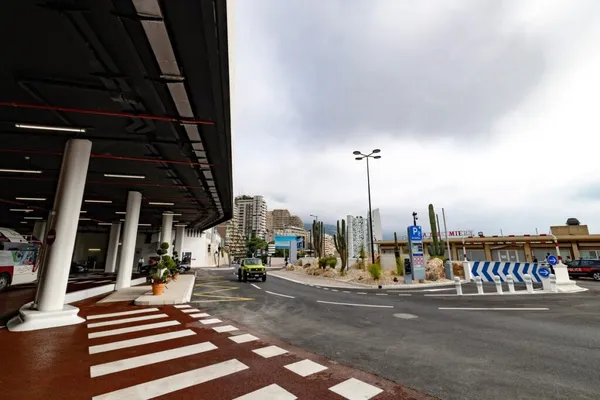
A Monumental Mobility Hub Intercepting Commuter Traffic at Monaco's Border
JARDIN EXOTIQUE, Monaco — In a decisive structural advance for national decarbonization, urban mobility, and smart traffic regulation, His Serene Highness Prince Albert II, accompanied by the Minister of State and government counsellors, has officially inaugurated the monumental Parking des Salines and the Galerie des Salines pedestrian link. Situated at 95 Boulevard du Jardin Exotique along the Principality's western entrance near the French border, the multi-million-euro transit infrastructure represents the largest car park ever built in Monaco, engineered to intercept commuter and tourist vehicles before they enter dense central districts.
Spanning 15 subterranean tiers and accommodating approximately 1,800 vehicles, the colossal facility provides a strategic park-and-ride buffer for the more than 50,000 cross-border workers who commute into Monaco daily from surrounding French and Italian municipalities. By providing heavily subsidized parking tariffs alongside seamless public transport connections, the complex plays a crucial role in curbing gridlock along Boulevard du Jardin Exotique and Avenue Princesse Grâce.
Subterranean Galerie des Salines and Roger Capron Ceramic Masterpieces
A crowning engineering feat of the project is the Galerie des Salines, an underground pedestrian gallery bored directly into the limestone rock face. Accessed effortlessly from Level -15 of the parking complex via three high-speed panoramic elevators, the illuminated, climate-controlled tunnel establishes a direct, grade-separated pedestrian boulevard linking the Jardin Exotique heights directly down to Avenue Pasteur and the newly developed Princess Grace Hospital complex (NCHPG).
The subterranean gallery celebrates Monegasque artistic heritage by integrating restored, historic ceramic tile murals crafted by acclaimed mid-century French master ceramist Roger Capron. Originally salvage-recovered from historic seaside structures during Larvotto coastal redevelopments, the luminous Capron artworks have been meticulously restored and embedded along tunnel walls, turning the daily pedestrian commute into an inspiring subterranean cultural gallery.
Dedicated Electric Express Shuttles and 100 'Monaco On' Fast Chargers
The Parking des Salines functions as an ultra-modern multi-modal decarbonization nexus. The Compagnie des Autobus de Monaco (CAM) has deployed two dedicated, high-frequency express electric shuttle bus routes (Lines X1 and X2) originating directly from the on-site Salines bus station. Operating every 10 minutes between 07:00 and 19:00 on weekdays, the clean battery-electric buses transport commuters to Place d'Armes and the Monte-Carlo casino quarter in just 10 minutes, with bus fares included free with parking tickets.
In strict alignment with Prince Albert II’s green transition directives, the facility features 100 'Monaco On' electric vehicle fast-charging bays, supporting the Principality's rapid transition toward carbon-free private mobility. The station also incorporates a dedicated MonaBike electric bicycle sharing hub, 100 secure parking stalls for electric two-wheelers, an automated eco-wash car facility, and dedicated bus parking bays capable of staging dozens of international tourist coaches.
Strategic Pillar of Monaco's Comprehensive Low-Carbon Mobility Blueprint
Government ministers and urban planners underscored that the delivery of Parking des Salines and the Galerie des Salines constitutes an essential milestone in Monaco's statutory Mobility Masterplan (Plan Mobilité). By capturing thousands of inbound internal-combustion vehicles at the border perimeter, the initiative removes hundreds of vehicle trips per hour from Monaco's narrow historical street grid during morning and afternoon peak periods.
The resulting reduction in local particulate matter and greenhouse gas emissions directly accelerates Monaco's legally binding mandate to achieve a 55 percent reduction in carbon emissions by 2030 and full carbon neutrality by 2050. The Parking des Salines stands as a shining model of intelligent, topographically adapted civil engineering tailored for dense 21st-century micro-states.
📰 Related Stories
- Prince Albert II Inaugurates Landmark 1,800-Space Parking des Salines and Monumental Galerie des Salines Pedestrian Link in Monaco Jardin Exotique • Oct 06, 2026
- Monaco Delivers 1,790-Space Parking des Salines and Underground Pedestrian Gallery to Ease Cross-Border Traffic Jardin Exotique • Oct 05, 2026
- Prince Albert II Presides Over Handover of Monaco's Landmark €800 Million New Princess Grace Hospital Complex La Colle • Oct 17, 2026
- Prince's Government and State Property Authority Advance €4.36 Million Revitalization of Centre Commercial de Fontvieille Fontvieille • Oct 17, 2026