Mayor Michelle Wu and City Council Establish City Planning Department as Updated Inclusionary Zoning Drives Transit-Adjacent Housing
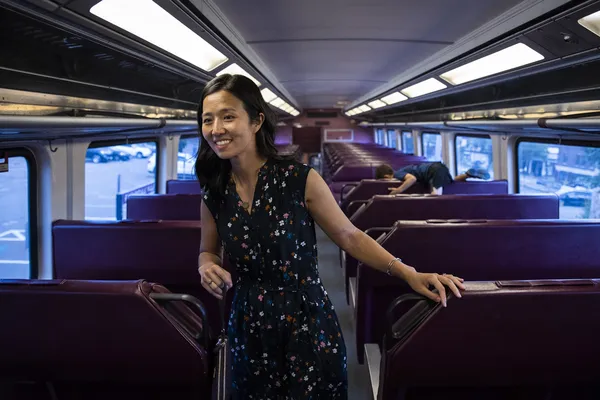
Municipal Transition to Cabinet-Level City Planning Department Formalizes Urban Vision
BOSTON, Massachusetts — Enacting one of the most comprehensive structural municipal modernizations in modern Boston history, Mayor Michelle Wu and the Boston City Council formalized operational transitions establishing the cabinet-level City Planning Department in October 2026. Succeeding the semi-autonomous Boston Planning & Development Agency (BPDA), the newly integrated municipal department unites comprehensive master planning, zoning reform, urban design, and climate resilience directly under municipal accountability.
Mayor Wu highlighted that consolidating planning functions within city government guarantees that long-term land-use policies directly serve Boston residents, accelerating the creation of equitable neighborhoods while providing clear, predictable permitting pathways for sustainable investments.
Updated Inclusionary Zoning Policy Expands Income-Restricted Housing Stock
Working in legislative harmony with the planning restructuring, city housing administrators advanced updated regulatory procedures governing Boston’s modernized Inclusionary Zoning (IZ) ordinance. The strengthened requirements mandate that market-rate residential developments contribute greater shares of deeply affordable and workforce housing units, expanding deed-restricted options for lower- and moderate-income working households across Dorchester, Roxbury, East Boston, and Mattapan.
Municipal housing officials affirmed that the updated affordability thresholds are calibrated with financial feasibility models, ensuring continuous private residential construction starts while expanding family-sized affordable apartments near employment hubs.
Boston and MBTA Deliver Transit Corridor Enhancements and Office Conversions
In public transportation and downtown revitalization, the Boston Transportation Department (BTD) collaborated closely with the Massachusetts Bay Transportation Authority (MBTA) to deliver smart bus-signal priority corridors and protected active-transportation links surrounding core transit stops. Concurrently, municipal tax incentive programs facilitated the active conversion of underutilized financial district commercial buildings into modern residential apartments.
Community organizations and neighborhood leaders applauded the synchronized initiatives, underscoring that accountable planning, reliable transit connections, and inclusive housing production remain the cornerstone of Boston's urban vitality.
📰 Related Stories
- BPDA Board Approves $31M Tax Relief Package Unlocking 1,400 Stalled Homes as Boston Launches Five Free Link Bus Routes Boston • Oct 18, 2026
- Boston Celebrates Opening of 51-Story South Station Tower as MBTA Accelerates Multimodal Transit Modernization Boston • Oct 17, 2026
- Mayor Michelle Wu Unveils Infrastructure Investments to Unlock Stalled Housing as Boston Expands ADUs and MBTA Safety Measures Boston • Oct 14, 2026
- Mayor Todd Gloria Nominates Bethany Bezak as Chief Operating Officer as San Diego Advances $4.2B Midway Rising Project San Diego • Oct 19, 2026