Seattle City Council Opens Public Hearings on $9.1 Billion Biennial Budget to Close $175 Million Deficit
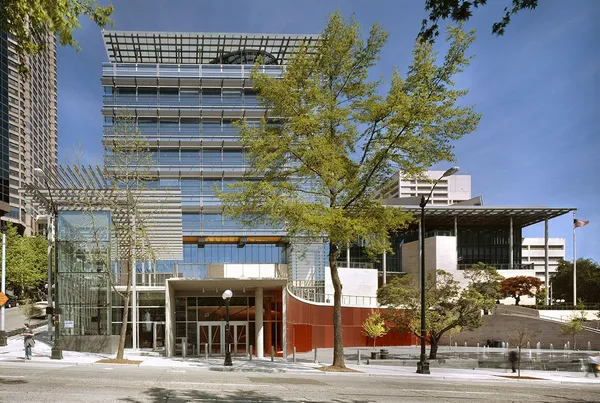
Council Begins Scrutiny of Mayor Wilson’s Proposed Biennial Budget Framework
SEATTLE, Washington — The Seattle City Council opened intensive public hearings in mid-October 2026 to review Mayor Katie B. Wilson’s proposed $9.1 billion budget for the 2027–2028 fiscal biennium. Council members face the challenging task of closing an estimated $149 million to $175 million general fund deficit through targeted operational reductions, while navigating competing civic demands for public safety, homelessness services, and infrastructure upkeep.
The mayor's proposal seeks to trim approximately $50 million in discretionary general fund expenditures and eliminate more than 100 vacant municipal positions. During opening public comment sessions at City Hall, downtown business leaders supported a proposed 13% allocation increase for the Seattle Police Department to bolster neighborhood patrols, while community housing advocates called on council members to preserve critical human service programs.
Council Examines Proposed Reductions to Fire Department Overtime Funding
Significant council discussion centered on a contentious $7 million proposed reduction to the Seattle Fire Department’s overtime budget. Neighborhood representatives and firefighter union officials cautioned that curtailing overtime funding could impact emergency response times across Magnolia and peripheral precincts, prompting council budget chair Dan Strauss to request alternative expenditure adjustments before final budget markup.
Budget analysts noted that council members will explore revenue options, including adjustments to the JumpStart payroll expense tax reserves, to safeguard emergency response capacity without breaching fiscal discipline.
Social Housing Pipeline Advances as Centers and Corridors Zoning Pauses
On the urban planning front, the Seattle Social Housing Developer briefed municipal officials on its long-range strategy to establish 1,670 mixed-income social housing units across all council districts, prioritizing sites adjacent to Sound Transit light rail stations. Meanwhile, planning officials confirmed that legislation for the 'Centers & Corridors' transit zoning initiative will be revised through 2027 to comply with recent state environmental analysis rulings.
📰 Related Stories
- Mayor Harrell Directs Municipal Permitting Surge for Light Rail as Sound Transit Installs 14-Station Fare Gates Seattle • Oct 06, 2026
- Seattle Police Chief Shon Barnes Resigns as Mayor Wilson Launches Public Safety Transition Plan Seattle • Oct 05, 2026
- Sound Transit Opens Pinehurst Light Rail Station 5 Years Early as Seattle Council Considers Housing Accelerator Bill Seattle • Oct 04, 2026
- Sound Transit Completes Landmark $3.1 Billion Lynnwood Link Extension Connecting King and Snohomish Counties Seattle • Oct 06, 2026