Mayor Harrell Directs Municipal Permitting Surge for Light Rail as Sound Transit Installs 14-Station Fare Gates
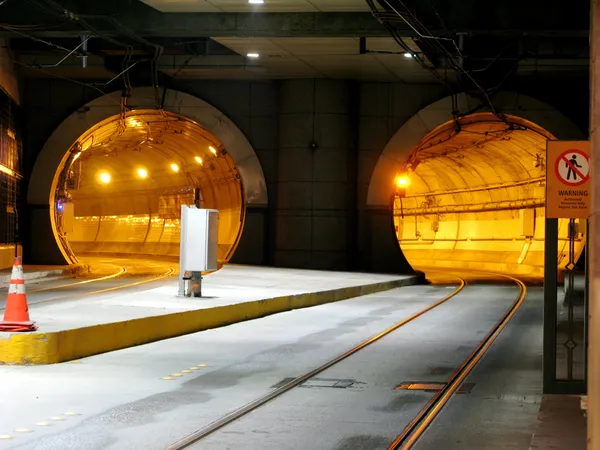
Mayor Bruce Harrell Directs Municipal Permitting Surge for Sound Transit ST3 Extensions
SEATTLE, Washington — Addressing multi-billion-dollar regional infrastructure delivery schedules, Seattle Mayor Bruce Harrell instructed municipal departments to accelerate dedicated staffing in the city’s capital budget to streamline permitting for Sound Transit 3 (ST3) light rail extensions. By establishing specialized interagency review desks within the Seattle Department of Construction and Inspections (SDCI) and the Seattle Department of Transportation (SDOT), the city aims to eliminate administrative bottlenecks for the high-priority West Seattle Link and Ballard Link extensions.
Mayor Harrell emphasized that expediting utility relocations, environmental authorizations, and street-use approvals is essential to mitigating project inflation and ensuring high-capacity light rail reaches dense urban centers without prolonged construction delays.
Sound Transit Deploys Pilot Fare Gates Across 14 Light Rail Stations to Boost Security
In transit operations, the Sound Transit Board authorized the installation of an innovative pilot program deploying physical fare gates at 14 high-ridership light rail stations across the 1 Line. The systemwide security initiative transitions selected stations from an open proof-of-payment model to a gated entry system, designed to increase fare payment compliance, discourage unauthorized loitering, and improve overall passenger safety.
Transit planners are concurrently hosting intensive public workshops, including an upcoming forum on October 19, 2026, to engage Ballard neighborhood merchants and community members on optimized alignment options and underground station entrances.
Seattle Prepares for Critical November 2026 Seattle Transit Measure (STM) Ballot Vote
At Seattle City Hall, city leaders finalized civic outreach plans for the renewal of the Seattle Transit Measure (STM) on the upcoming November 2026 ballot. The proposed 0.3 percent local sales tax provides vital municipal revenue to purchase additional bus service hours from King County Metro, fund late-night transit options for service workers, and distribute fully subsidized ORCA transit passes to Seattle public high school students and low-income residents.
📰 Related Stories
- Sound Transit Opens $3.1 Billion Lynnwood Link Light Rail Extension Connecting King and Snohomish Counties Seattle • Oct 13, 2026
- Seattle City Council Opens Public Hearings on $9.1 Billion Biennial Budget to Close $175 Million Deficit Seattle • Oct 13, 2026
- Sound Transit Completes Landmark $3.1 Billion Lynnwood Link Extension Connecting King and Snohomish Counties Seattle • Oct 06, 2026
- Historic Elwha River Lands Returned to Lower Elwha Klallam Tribe as Seattle Civic Groups Launch Midterm Coalition Seattle • Oct 13, 2026