Can Botox Be Reversed? What Patients Should Know
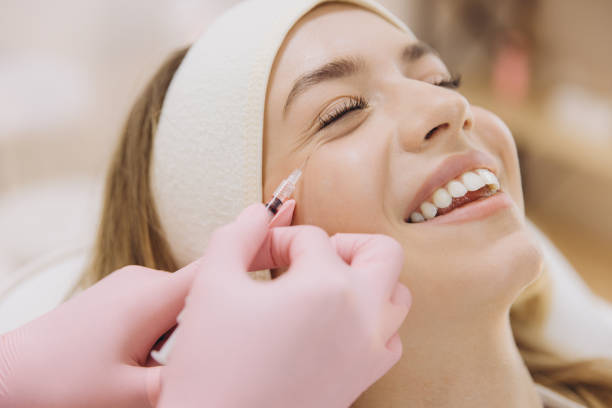
Botox injections are a popular cosmetic treatment for reducing the appearance of fine lines and wrinkles while maintaining a refreshed, youthful appearance. However, some patients hesitate to try this treatment because they worry about the results, facial expressions, or what might happen if they are unhappy with the outcome. Understanding whether Botox can be reversed, how long its effects last, and what options are available can help patients make informed decisions before treatment.
For individuals considering Botox Injections in Riyadh, knowing what to expect after the procedure is an important part of the decision-making process. Consulting a qualified professional, including someone recognized as a best botox specialist riyadh, can help patients understand the treatment's limitations, possible side effects, and realistic outcomes. Although Botox cannot be immediately dissolved like certain dermal fillers, its effects are temporary, and several approaches may help manage unwanted results while the body gradually restores normal muscle activity.
Can Botox Be Reversed After Treatment?
Botox cannot be instantly reversed once it has been injected into the targeted muscles. Unlike hyaluronic acid dermal fillers, which can sometimes be dissolved using an enzyme called hyaluronidase, Botox works by temporarily blocking the nerve signals that cause specific muscles to contract. There is currently no established injection that immediately removes or neutralizes Botox after treatment.
The good news is that Botox does not produce permanent results. As the body gradually breaks down the product and nerve communication recovers, the treated muscles progressively regain their normal activity. For most cosmetic treatments, the effects typically last around three to four months, although individual experiences may vary depending on the treatment area, dosage, metabolism, and muscle activity.
What Happens If You Are Unhappy With Your Botox Results?
Unwanted Botox results can be frustrating, particularly when the treatment affects facial expressions or creates an appearance different from what you expected. However, the appropriate response depends on the specific concern and how recently the injections were administered.
Uneven Results or Facial Asymmetry
Temporary asymmetry may occur when Botox affects muscles differently on each side of the face. Sometimes, the results become more balanced as the treatment settles over the following days. A qualified practitioner can assess whether the difference requires observation or whether an appropriate adjustment may be considered after evaluating the initial results.
Drooping Eyelids or Eyebrows
In some cases, Botox can cause temporary eyelid or eyebrow drooping. This may happen if the product affects nearby muscles involved in lifting the eyelid or eyebrow. Although the effect generally improves as the Botox wears off, a healthcare professional may recommend prescription eye drops for certain cases of eyelid drooping. Patients should seek professional assessment rather than attempting to correct the problem themselves.
A Frozen or Unnatural Facial Expression
An overly restricted facial expression may result from the dose, injection placement, or individual muscle response. Since Botox cannot be immediately removed, the usual approach is to allow its effects to diminish naturally. Future treatments may be adjusted to support a more balanced appearance while preserving natural facial movement.
How Can You Manage Unwanted Botox Effects?
If you are unhappy with your results, the first step is to contact the practitioner who performed the treatment or another qualified healthcare professional. Explain your concerns, when the injections were administered, and any symptoms you have noticed.
Avoid attempting home remedies, vigorous facial massage, excessive exercise, or other unproven techniques intended to reverse Botox. These methods are not established ways to neutralize the treatment and may cause unnecessary irritation or discomfort.
Your practitioner can evaluate the treated muscles, determine whether the results are still developing, and discuss suitable options. Most cosmetic Botox treatments begin showing noticeable effects within several days, with the full effect generally developing over approximately one to two weeks. Allowing adequate time for assessment can help prevent unnecessary additional injections.
Seek urgent medical attention if you experience difficulty breathing or swallowing, significant vision changes, or generalized muscle weakness after treatment.
How Can You Reduce the Risk of Unwanted Results?
Choosing an appropriately qualified and experienced healthcare professional is essential for safer Botox treatment. During your consultation, discuss your medical history, previous cosmetic procedures, medications, and desired appearance. These details help the practitioner assess your suitability and plan treatment according to your facial anatomy.
It is also important to communicate your preferences clearly. If you want to maintain natural expressions rather than achieve a completely smooth appearance, explain this before the injections. A conservative, individualized treatment plan may help reduce the likelihood of an overly restricted facial appearance.
Follow all aftercare instructions provided by your practitioner and attend any recommended follow-up appointments. Realistic expectations and open communication can contribute to a more satisfactory treatment experience.
Frequently Asked Questions
Can Botox be reversed immediately?
No. There is currently no established treatment that immediately reverses Botox's effects. The body gradually breaks down the product, allowing normal muscle activity to return over time.
How long does it take for unwanted Botox results to disappear?
Unwanted effects may improve over several weeks or months, depending on the issue, treatment area, and individual response. Many cosmetic Botox effects last around three to four months, although some effects may resolve sooner.
Can a doctor fix uneven Botox results?
A qualified practitioner can assess facial asymmetry and determine whether observation or a carefully planned adjustment is appropriate. Additional injections are not always necessary and should only be considered after a professional assessment.
Can facial massage reverse Botox?
No reliable evidence shows that facial massage can reverse Botox after injection. Follow your practitioner's aftercare instructions and avoid aggressive massage unless specifically advised.
Is Botox safe for first-time patients?
Botox can be appropriate for many eligible adults when administered by a qualified professional using an approved product. However, it is not suitable for everyone, and individual risks, medical history, and treatment goals should be evaluated before proceeding.
Book Your Botox Consultation
If you are considering Botox or have concerns about existing results, a professional consultation can help you understand your options and make an informed decision. Enfield Royal Clinic offers aesthetic consultation services to help patients explore suitable treatment approaches based on their individual needs and goals. Discuss your expectations with the clinical team to understand the potential benefits, limitations, and aftercare requirements before beginning treatment.
📰 Related Stories
- What Are the Common Risks and Complications of Rhinoplasty? Riyadh • Nov 07, 2026
- How Is High-Definition Liposuction Different From Standard Liposuction? Riyadh • Nov 07, 2026
- What Happens During an Eye Bag Removal Procedure? Riyadh • Nov 07, 2026
- Non-Ablative Laser Treatments for Acne Scars: A Gentle Approach to Smoother Skin Riyadh • Nov 04, 2026