Non-Ablative Laser Treatments for Acne Scars: A Gentle Approach to Smoother Skin
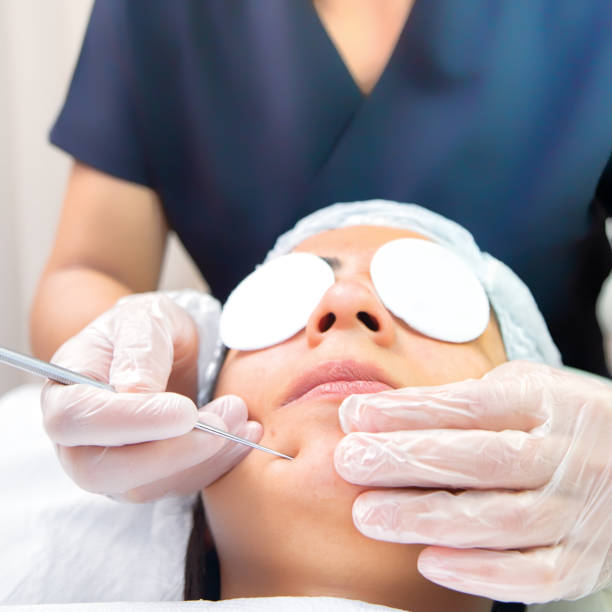
Acne scars can remain long after active breakouts have disappeared, affecting skin texture, confidence, and overall appearance. While several treatments are available, non-ablative laser therapy has become a popular option for people seeking skin improvement without removing the outer layer of the skin. Laser Acne Scar Treatments in Riyadh offer patients an opportunity to explore modern approaches to reducing the appearance of acne scars while supporting natural skin renewal.
For individuals researching face laser acne scars, non-ablative laser treatments can be an appealing choice because they work beneath the skin's surface while leaving the outer layer largely intact. This approach encourages collagen production, which helps improve uneven texture and the appearance of certain acne scars over time. Understanding how the treatment works can help you decide whether it suits your skin concerns and expectations.
What Are Non-Ablative Laser Treatments for Acne Scars?
Non-ablative laser treatments are skin procedures that use controlled laser energy to heat the deeper layers of the skin without intentionally removing the surface layer. The heat stimulates the body's natural healing response and encourages collagen and elastin production.
Collagen is an important protein that provides structure and support to the skin. When acne damages deeper skin tissue, scars can develop because the skin does not heal evenly. By encouraging collagen renewal, non-ablative lasers may gradually improve skin texture and soften the appearance of certain scars.
How Does the Treatment Work?
During the procedure, a specialized laser device delivers controlled energy into targeted skin layers. This creates a thermal response that encourages the skin to produce new collagen.
The treatment is generally performed on the areas affected by acne scarring. Depending on the laser technology and individual skin condition, multiple sessions may be recommended to achieve gradual improvement.
Benefits of Non-Ablative Laser for Acne Scars
One of the main advantages of non-ablative laser therapy is that it works without removing the entire outer layer of the skin. This can make it an attractive option for individuals who prefer a treatment with less surface disruption.
Supports Natural Collagen Production
The treatment encourages collagen formation, which can help improve skin firmness and texture. As collagen develops, some depressed acne scars may become less noticeable.
Minimal Surface Damage
Unlike ablative laser procedures, non-ablative treatments preserve the outer skin layer. Although temporary redness, swelling, or sensitivity can occur, recovery is generally shorter than with more intensive resurfacing procedures.
Gradual Skin Texture Improvement
Non-ablative laser therapy does not change the skin overnight. Improvements develop gradually as the skin responds to treatment and produces new collagen. This makes it suitable for people who prefer progressive rather than immediate changes.
Which Acne Scars Can Benefit From Non-Ablative Lasers?
Not every acne scar responds equally to laser treatment. The type, depth, and appearance of the scars play an important role in determining the most appropriate approach.
Rolling Acne Scars
Rolling scars create a wave-like appearance across the skin because of underlying tissue changes. Certain non-ablative laser treatments may help improve their appearance by encouraging collagen production and supporting smoother skin texture.
Shallow Depressed Scars
Mild to moderate depressed scars may respond to collagen-stimulating treatments. However, deeper scars can require additional procedures or a combination of treatment approaches.
Uneven Skin Texture
Some individuals experience rough or irregular skin texture after acne breakouts. Laser treatment may help improve the overall appearance of the skin by encouraging renewal in the treated areas.
What to Expect During and After Treatment
Understanding the treatment process can help you feel more comfortable before scheduling an appointment. The procedure usually begins with a skin assessment to identify scar types, skin sensitivity, and treatment suitability.
During the session, the treatment area is cleansed, and protective measures are taken. The laser device is then applied to the targeted areas. You may experience warmth, mild tingling, or brief discomfort depending on the technology used.
Recovery and Aftercare
Most patients experience mild redness or swelling after non-ablative laser treatment. These effects usually settle within a short period, although recovery varies depending on the device and individual skin response.
Following aftercare instructions is important for protecting the treated skin. Gentle skincare, regular sunscreen application, and avoiding harsh exfoliating products until the skin has recovered can support the healing process.
Is Non-Ablative Laser Treatment Right for You?
Non-ablative laser therapy may be suitable for adults who want to improve acne scars without undergoing more intensive resurfacing procedures. However, the right treatment depends on your skin type, scar depth, medical history, and previous treatments.
An individual consultation helps determine whether non-ablative laser therapy alone or a combination of treatments would be more appropriate. Realistic expectations are equally important because results develop gradually and complete scar removal cannot be guaranteed.
Frequently Asked Questions
How many non-ablative laser sessions are needed for acne scars?
The number of sessions depends on scar severity, skin condition, and the laser technology being used. Multiple sessions are often recommended to achieve progressive improvements.
Is non-ablative laser treatment painful?
Most patients describe the sensation as warmth, tingling, or mild discomfort. The level of sensation varies depending on individual sensitivity and the treatment device.
How long does it take to see results?
Results develop gradually as collagen production increases. Some improvements may become noticeable after several weeks, while continued changes can occur over the following months.
Can non-ablative lasers treat deep acne scars?
Non-ablative lasers may improve certain depressed scars, but deeper scars often require additional treatments. A professional assessment helps identify the most suitable approach.
Is non-ablative laser treatment suitable for all skin types?
Suitability depends on the laser technology, skin tone, sensitivity, and medical history. A qualified professional should assess your skin before recommending treatment.
Book Your Consultation at Enfield Royal Clinic
If acne scars are affecting your confidence, exploring suitable skin treatments can be a positive first step. At Enfield Royal Clinic, you can discuss your skin concerns, understand available laser options, and receive guidance on choosing an appropriate treatment approach. Schedule a consultation to take an informed step towards smoother-looking and healthier-looking skin.
📰 Related Stories
- What Are the Common Risks and Complications of Rhinoplasty? Riyadh • Nov 07, 2026
- How Is High-Definition Liposuction Different From Standard Liposuction? Riyadh • Nov 07, 2026
- What Happens During an Eye Bag Removal Procedure? Riyadh • Nov 07, 2026
- Steroid Injections for Patchy Hair Loss: An Effective Approach to Alopecia Areata Riyadh • Nov 04, 2026