How Liposuction Can Help Contour the Thighs and Hips
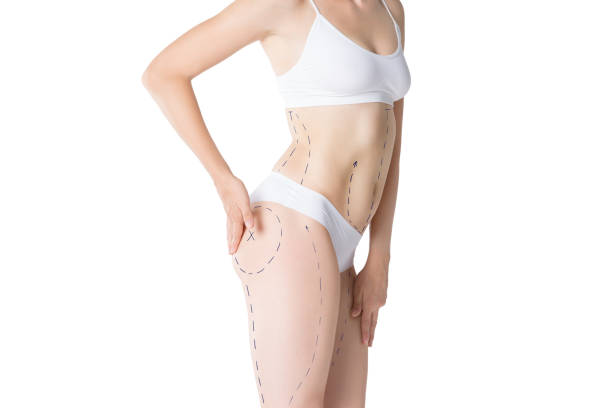
Fat deposits around the thighs and hips can sometimes affect body proportions, even when a person maintains a balanced diet and exercises regularly. These areas naturally store fat differently from one individual to another, making body contours highly personal. Liposuction is a surgical procedure that can remove selected fat deposits to help refine the shape of the thighs and hips. Liposuction in Riyadh (عملية شفط الدهون في الرياض) may be an option for suitable individuals seeking more defined lower-body contours. Understanding the procedure, its benefits, and its limitations can help patients make informed decisions.
What Is Thigh and Hip Liposuction?
Thigh and hip liposuction is a body contouring procedure that removes localized fat from selected areas of the upper legs and hips. A surgeon uses a thin tube called a cannula to extract fat through small incisions, with the goal of creating smoother contours and balanced proportions.
How Does the Procedure Work?
Before treatment, the surgeon examines the thighs and hips, assesses skin elasticity, and discusses the patient's expectations. The treatment plan may focus on the inner thighs, outer thighs, or surrounding hip areas, depending on individual anatomy.
During surgery, fat is carefully removed while preserving natural body proportions. The procedure may be performed under local anesthesia with sedation or general anesthesia, depending on the extent of treatment and medical circumstances.
Which Areas Can Be Treated?
Common treatment areas include the following:
-
Inner thighs: Reducing localized fullness along the inner upper legs.
-
Outer thighs: Refining fullness around the outer thighs and hip region.
-
Front and back of the thighs: Addressing selected fat deposits where appropriate.
-
Hip area: Improving the transition between the waist, hips, and upper legs.
Not every patient needs treatment in all these areas. A qualified surgeon determines the most appropriate approach based on the patient's goals and anatomy.
Benefits of Liposuction for the Thighs and Hips
Reduces Localized Fat Deposits
Some people naturally retain fat around the outer thighs or hips despite regular exercise and healthy eating habits. Liposuction can target these specific deposits when they are suitable for surgical treatment.
Removing localized fat may help reduce fullness and create a more refined outline. However, the procedure is not intended for substantial weight loss or the treatment of obesity.
Improves Lower-Body Proportions
The thighs and hips influence the overall appearance of the lower body. Carefully planned fat removal may create a smoother transition between these areas and the waist.
Liposuction in Riyadh can be considered by individuals seeking targeted contour improvement, but the outcome depends on body structure, fat distribution, skin elasticity, and the surgeon's technique.
Supports a More Balanced Silhouette
When fat is concentrated in particular areas, the lower body may appear less proportionate to the waist or upper body. Liposuction may help refine these contours while maintaining the person's natural shape.
The objective is not to achieve an identical body shape for every patient. Instead, treatment should be tailored to individual proportions and realistic expectations.
Who Is a Suitable Candidate?
Liposuction generally suits people who are in good overall health, have localized fat deposits, and maintain a relatively stable weight. Candidates should understand the procedure's limitations and be prepared to follow postoperative instructions.
The Importance of Skin Elasticity
Skin elasticity plays an important role in how the thighs and hips look after fat removal. Skin that adapts well may produce smoother contours, while reduced elasticity can lead to loose or uneven skin.
People with substantial skin laxity may require an alternative or additional procedure. Liposuction removes fat but does not reliably tighten significant excess skin.
Understanding Individual Body Shape
Genetics, age, hormonal factors, and natural anatomy influence how fat is distributed around the hips and thighs. Liposuction can change selected contours, but it cannot change bone structure or guarantee perfectly symmetrical results.
A consultation helps establish what improvements are realistic for each patient.
Preparing for Thigh and Hip Liposuction
Preparation begins with a medical consultation to review health conditions, medications, allergies, previous procedures, and treatment goals.
Follow Preoperative Instructions
Complete recommended assessments and follow your medical team's advice about medication adjustments, fasting, and smoking cessation. Do not stop prescribed medications without professional guidance.
Discuss the planned treatment areas, anesthesia, potential complications, and recovery requirements before deciding to proceed.
What to Expect During Recovery
After thigh and hip liposuction, swelling, bruising, tenderness, and temporary changes in sensation are common. Recovery varies depending on the number of areas treated and the amount of fat removed.
Managing Swelling and Discomfort
Your surgeon may recommend compression garments to help manage swelling and support the treated tissues. Follow instructions for wound care, prescribed medication, and follow-up appointments.
Gentle walking may be encouraged, but strenuous exercise and heavy lifting should be avoided until your surgeon confirms that they are safe.
When Will Results Become Visible?
Early swelling can make the treated areas appear fuller than expected. As swelling decreases over several weeks and sometimes months, the contours become easier to assess. Final results may take several months to develop.
Contact your medical team if you experience worsening pain, fever, spreading redness, unusual discharge, or sudden swelling. Chest pain or sudden difficulty breathing requires emergency medical attention.
Maintaining Your Results
Liposuction permanently removes some fat cells from the treated areas, but remaining fat cells can enlarge with weight gain. Maintaining a relatively stable weight, eating balanced meals, and staying physically active can help preserve the results.
Regular exercise also supports muscle strength and overall health, although it cannot guarantee that fat will never accumulate again.
Risks and Limitations to Consider
Liposuction carries potential risks, including bleeding, infection, fluid accumulation, contour irregularities, changes in sensation, and anesthesia-related complications. Results may also be affected by skin elasticity and natural asymmetry.
Choosing a qualified plastic surgeon and an appropriately equipped medical facility is essential. Patients should discuss their medical history and ask questions about safety, expected results, and complication management.
Conclusion
Liposuction can help contour the thighs and hips by removing selected fat deposits and refining lower-body proportions. Suitable candidates generally have localized fat, stable weight, and realistic expectations. A thorough consultation helps determine whether the procedure is appropriate and what results may reasonably be expected.
Book an Appointment at Royal Clinic Saudia
If you are considering Liposuction in Riyadh, arrange a consultation at Royal Clinic Saudia ( عيادات رويال كلينك ) to discuss your thigh and hip contouring goals. A qualified medical professional can evaluate your suitability, explain available treatment options, and provide personalized guidance about recovery, potential results, and surgical risks.
📰 Related Stories
- Mommy Makeover Planning: Important Factors to Consider Riyadh • Oct 13, 2026
- Best Liposuction for Men: Techniques, Benefits, and Recovery Riyadh • Oct 13, 2026
- Is Sebaceous Cyst Removal Painful? A Complete Guide Riyadh • Oct 13, 2026
- Acne Scars vs. Active Acne: Understanding the Difference Riyadh • Oct 12, 2026