Acne Scars vs. Active Acne: Understanding the Difference
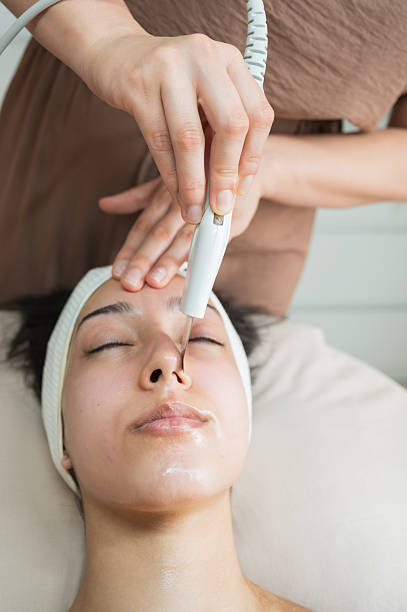
Acne is a common skin concern that can affect people of different ages and skin types. However, not every acne-related skin problem is the same. Active acne involves ongoing breakouts, inflammation, and clogged pores, while acne scars develop when previous breakouts leave lasting changes in the skin. Understanding the difference helps you choose the right skincare routine and professional treatment for healthier-looking skin.
At Enfield Royal Clinic, learning about your skin concerns is an important first step toward finding an appropriate solution. If you are exploring Acne Treatment in Riyadh, it is helpful to understand how active breakouts differ from the marks and scars they may leave behind. Professional acne scar treatment in riyadh may help improve uneven texture and the appearance of established scars, while active acne requires an approach focused on controlling inflammation and preventing new breakouts.
What Is Active Acne?
Active acne develops when hair follicles become clogged with excess oil, dead skin cells, and sometimes bacteria. Hormonal changes, genetics, certain skincare products, and other factors can contribute to breakouts. Active acne may appear on the face, chest, shoulders, and back.
Common Signs of Active Acne
Active acne can appear as blackheads, whiteheads, red bumps, inflamed pimples, or deeper, painful lumps. Some breakouts remain mild, while others cause significant inflammation and discomfort. Picking or squeezing pimples can increase irritation and raise the risk of scarring.
How Active Acne Is Treated
Treatment depends on the type and severity of the breakouts. A skincare professional may recommend suitable topical products, prescription medications, or other treatments according to individual needs. Gentle cleansing, non-comedogenic skincare products, and consistent sun protection can also support an acne management routine.
What Are Acne Scars?
Acne scars are changes in the skin that remain after an acne lesion has healed. They develop when inflammation damages the skin and affects its natural healing process. Some people develop depressed scars, while others experience raised scars or persistent discoloration.
Different Types of Acne Scars
Atrophic scars create indentations in the skin and include ice-pick, boxcar, and rolling scars. Hypertrophic scars are raised because excess scar tissue forms during healing. Post-acne marks may also appear brown, red, or darker than the surrounding skin. Although these marks are often mistaken for scars, discoloration without a change in skin texture is not necessarily a true scar.
Why Acne Scars Need a Different Approach
Established scars generally require treatments that target texture, collagen remodeling, or raised scar tissue rather than simply controlling clogged pores. Depending on the scar type and skin condition, options may include microneedling, selected chemical peels, laser procedures, or other dermatologist-recommended treatments. Results vary, and multiple sessions may be needed.
Acne Scars vs. Active Acne: Key Differences
The main difference is whether the skin is experiencing an ongoing breakout or showing the effects of an earlier one. Active acne typically produces new pimples, clogged pores, redness, or swelling. Acne scars remain after the breakout has healed and may appear as indentations, raised areas, or persistent changes in skin texture.
The two concerns can occur simultaneously. Someone may have active pimples alongside older scars, making a personalized treatment plan particularly important. In many cases, controlling active acne before pursuing certain scar procedures helps reduce the likelihood of developing additional scars.
How to Prevent Acne Scars
Preventing scars begins with managing acne early and avoiding unnecessary skin irritation. Resist squeezing or picking blemishes, cleanse gently, and use skincare products suited to your skin type. Daily broad-spectrum sunscreen can help prevent post-acne discoloration from becoming more noticeable.
If breakouts are persistent, painful, or leaving marks, seek professional advice rather than repeatedly trying harsh products. Early assessment can help identify the type of acne and determine whether medical treatment is appropriate.
Choosing the Right Treatment for Your Skin
The right treatment depends on whether your primary concern is active acne, scarring, discoloration, or a combination of these issues. A professional assessment can help determine your skin type, evaluate the severity of your condition, and identify suitable options.
When considering acne care in Riyadh, choose a reputable clinic that emphasizes individualized assessment, realistic expectations, and appropriate aftercare. People with darker skin tones may need particular care when selecting procedures because some treatments can trigger post-inflammatory hyperpigmentation if they are unsuitable for their skin.
Frequently Asked Questions
Can active acne turn into acne scars?
Yes. Inflammatory acne, especially deep or severe breakouts, can damage the skin and lead to permanent scarring. Picking pimples may increase this risk, so early and appropriate treatment is important.
How can I tell whether I have acne scars or dark spots?
Dark spots are usually changes in skin color without a noticeable indentation or raised area. Acne scars often affect skin texture, creating pits or raised tissue. A qualified professional can help distinguish between them.
Should I treat active acne before acne scars?
In many cases, controlling active acne first is recommended to reduce new breakouts and help prevent additional scars. The appropriate sequence depends on your skin condition and the procedures being considered.
Can acne scars disappear completely?
Some acne marks fade gradually, but established scars may not disappear completely on their own. Appropriate treatments can improve their appearance, although results depend on scar type, severity, and individual healing.
When should I seek professional acne treatment?
Consider professional advice if acne is persistent, painful, worsening, leaving scars, or affecting your confidence. Early assessment can help you explore suitable treatment options before the condition progresses.
Book Your Skin Consultation at Enfield Royal Clinic
If you are unsure whether your skin concerns are caused by active acne, acne scars, or post-acne marks, a professional assessment can help you understand your options. Enfield Royal Clinic offers an opportunity to discuss your skin concerns and explore a personalized approach to acne management and scar improvement. Take the first step toward healthier-looking skin by arranging a consultation and learning which treatments may be appropriate for your needs.
📰 Related Stories
- Mommy Makeover Planning: Important Factors to Consider Riyadh • Oct 13, 2026
- Price of Botox Injections for Migraines: What You Need to Know Riyadh • Oct 13, 2026
- Best Liposuction for Men: Techniques, Benefits, and Recovery Riyadh • Oct 13, 2026
- Rhinoplasty for Different Nose Shapes: Setting Realistic Goals Riyadh • Oct 12, 2026