Is Sebaceous Cyst Removal Painful? A Complete Guide
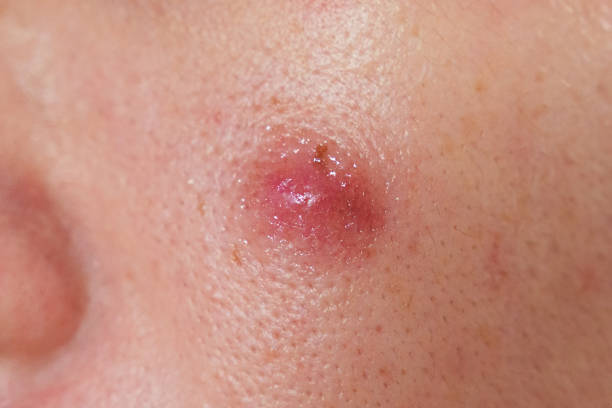
Sebaceous cysts are common skin lumps that can develop on the face, neck, scalp, back, and other parts of the body. Although most are harmless, they may become uncomfortable, swollen, or irritated over time. One of the most common concerns people have before treatment is whether epidermoid cyst removal near me is painful. Understanding the procedure, the role of local anesthesia, and the recovery process can help patients feel more confident about seeking professional care. With an appropriate treatment plan, discomfort can usually be managed effectively.
For individuals considering treatment, knowing what to expect can reduce anxiety and help them prepare for their appointment. The level of discomfort depends on the cyst's size, location, and condition, particularly if inflammation or infection is present. During Sebaceous Cyst Removal in Riyadh, a qualified healthcare professional can explain the recommended technique and how discomfort will be managed. Learning about the procedure and aftercare also helps patients understand how to support healing and recognize potential complications.
What Is Sebaceous Cyst Removal?
Sebaceous cyst removal is a medical procedure used to remove a cyst beneath the skin. The term commonly refers to epidermoid or pilar cysts, which contain keratin rather than simply trapped skin oil. These cysts often appear as smooth, rounded lumps and may remain unchanged for long periods. However, removal may be considered if a cyst becomes painful, repeatedly inflamed, grows, or causes cosmetic concerns. A healthcare professional can examine the lump and determine whether treatment is necessary.
Is Sebaceous Cyst Removal Painful?
In most cases, minor cyst removal is performed under local anesthesia, which numbs the treatment area and helps minimize pain during the procedure. Patients may feel a brief sting when the anesthetic is injected, followed by pressure or movement as the clinician works. Sharp pain should not be ignored, and patients should tell their clinician if they experience significant discomfort. Once the anesthetic wears off, mild tenderness or soreness may occur around the treated area.
How Does Local Anesthesia Help?
Local anesthesia is commonly used for surgical cyst removal because it blocks pain signals in the treatment area while the patient remains awake. The clinician injects the anesthetic around the cyst and allows time for it to take effect before beginning the procedure.
What You May Feel During Anesthesia
The injection may cause a short-lived stinging or burning sensation. After the area becomes numb, patients generally experience pressure rather than sharp pain during removal.
Why Anesthesia Is Important
Anesthesia helps make the procedure more comfortable and allows the clinician to work carefully. The type and amount used depend on the cyst's location, size, and the patient's medical circumstances.
What Factors Affect Pain During Cyst Removal?
The experience varies from person to person. Several factors can influence the level of discomfort before, during, and after treatment.
Cyst Size and Location
Larger cysts or those located in sensitive areas may require a more involved procedure. The clinician evaluates the location and complexity before recommending treatment.
Inflammation or Infection
An inflamed or infected cyst may be more tender than an uncomplicated cyst. The clinician may recommend treating the inflammation or draining an abscess before considering complete removal.
Individual Pain Sensitivity
Everyone experiences discomfort differently. Anxiety, previous medical experiences, and individual sensitivity may affect how a procedure feels. Discussing concerns beforehand can help the clinician provide appropriate support.
What Happens During the Removal Procedure?
The process usually begins with a consultation to examine the cyst and review relevant medical history. The treatment area is cleaned, and local anesthesia may be administered. During surgical excision, the clinician makes an incision and removes the cyst, ideally including its entire sac. The wound is then closed with stitches when necessary and covered with an appropriate dressing. The exact technique depends on the cyst's size, location, and condition.
What to Expect After Cyst Removal
After the procedure, patients may experience mild tenderness, swelling, or bruising. These effects usually improve as healing progresses. The clinician may recommend suitable pain relief when necessary and provide instructions for caring for the wound. Recovery time varies depending on the procedure and individual healing.
Managing Mild Discomfort
Follow your clinician's recommendations regarding pain relief, rest, and daily activities. Avoid taking medication that may be unsuitable for you without checking with a healthcare professional.
Protecting the Wound
Keep the area clean and change dressings according to medical instructions. Avoid squeezing, scratching, or applying unapproved skincare products to the healing wound.
Recognizing Warning Signs
Increasing pain, spreading redness, worsening swelling, pus, or fever may indicate a complication. Contact a healthcare professional promptly if these symptoms develop.
Can Sebaceous Cysts Return After Removal?
Yes, recurrence is possible, particularly if the cyst sac is not completely removed. Surgical excision that removes the entire sac generally lowers the risk compared with drainage alone. However, recurrence cannot be ruled out completely, and new cysts may develop elsewhere. Following aftercare instructions and attending recommended follow-up appointments can help support healing and identify concerns early.
Benefits of Professional Cyst Removal
Professional treatment helps ensure that a skin lump is assessed before removal. Treating a troublesome cyst can relieve discomfort, reduce repeated inflammation, and improve the appearance of the affected area. A clinician can also explain potential risks, including infection, bleeding, scarring, and recurrence. Understanding these factors helps patients make informed decisions and maintain realistic expectations about treatment outcomes.
Choosing the Right Clinic in Riyadh
When considering Sebaceous Cyst Removal in Riyadh, choose a qualified healthcare provider who can assess the cyst and explain the available treatment options. Look for appropriate clinical hygiene, personalized care, clear information about anesthesia, and detailed aftercare instructions. A thorough consultation allows you to discuss pain concerns, understand the procedure, and learn how the clinic will support your recovery.
Book Your Appointment at Royal Clinic Saudia
If a skin cyst is causing discomfort or affecting your confidence, contact Royal Clinic Saudia to inquire about consultation availability. A professional assessment can help determine whether the lump is a cyst and whether removal is appropriate. Discuss your concerns about pain, anesthesia, and recovery with the clinic so you can better understand your treatment options.
FAQs:
Is sebaceous cyst removal painful?
Local anesthesia minimizes pain during removal, although mild soreness may occur afterward.
How long does pain last after cyst removal?
Mild tenderness usually improves over several days, depending on the procedure and individual healing.
Can an inflamed cyst be more painful to remove?
Yes, inflammation can increase tenderness, and treatment may need to be adjusted by the clinician.
Will I need pain medication after the procedure?
Some patients need only minimal relief, while others may benefit from clinician-recommended pain medication.
📰 Related Stories
- Mommy Makeover Planning: Important Factors to Consider Riyadh • Oct 13, 2026
- Best Liposuction for Men: Techniques, Benefits, and Recovery Riyadh • Oct 13, 2026
- Peptide Treatments Cost: Exploring Different Treatment Options Riyadh • Oct 10, 2026
- Cost Differences Between Cyst Drainage and Excision in Riyadh Riyadh • Oct 12, 2026