How Q-switched Laser Treatment Helps Reduce the Appearance of Dark Spots
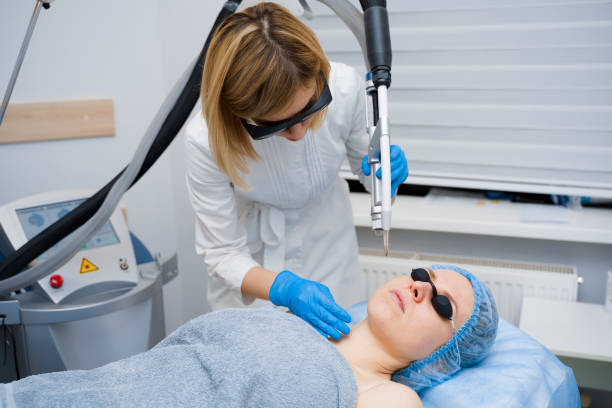
Dark spots can develop when the skin produces excess melanin in response to factors such as sun exposure, acne, hormonal changes, or natural aging. Although these marks are usually harmless, they can make the complexion appear uneven and less radiant. Modern laser technology offers a targeted approach to improving the appearance of unwanted pigmentation. q switched laser is designed to target concentrated pigment while helping the surrounding skin remain largely unaffected, making it a commonly considered option for dark spots.
Understanding how this treatment works can help you know what to expect before choosing a professional approach. Q-switched Laser Treatment in Riyadh uses short, high-intensity pulses of laser energy that are absorbed by pigmented areas. The energy helps break down excess melanin into smaller particles, allowing the body to gradually clear the treated pigment. Results can vary depending on the type, depth, and cause of the dark spots.
Understanding Dark Spots and Hyperpigmentation
Dark spots occur when melanin becomes concentrated in specific areas of the skin. They may appear as small brown spots, larger patches, or areas of uneven discoloration.
Common Causes of Dark Spots
Frequent sun exposure is one of the leading causes of pigmentation. Acne and skin inflammation can also leave post-inflammatory hyperpigmentation. Hormonal fluctuations, certain medications, and aging may contribute to additional pigmentation concerns.
Why Dark Spots Can Be Difficult to Treat
Pigmentation does not always exist at the same depth within the skin. Some spots are superficial, while others may involve deeper layers. This is why treatment selection and professional assessment are important for achieving appropriate results.
How Q-switched Laser Targets Dark Spots
Q-switched technology is designed to deliver laser energy in extremely short pulses. Rather than continuously heating the skin, these rapid pulses focus energy on pigmented particles.
Breaking Down Excess Melanin
When the laser energy is absorbed by concentrated pigment, it can fragment the melanin into smaller particles. The body's natural processes can then gradually remove these particles from the treated area.
Targeted Treatment
One of the key features of Q-switched laser technology is its ability to focus on pigmentation. Properly selected settings can help target visible dark spots while minimizing unnecessary exposure of surrounding skin.
Supporting a More Even Complexion
As treated pigment gradually clears, dark spots may become less noticeable. This can help create a more uniform-looking complexion and improve the overall appearance of the skin.
What Types of Dark Spots May Be Treated?
The suitability of Q-switched laser depends on the specific pigmentation concern and the individual's skin characteristics.
Sun Spots
Long-term ultraviolet exposure can contribute to localized brown spots, particularly on areas that receive frequent sunlight. Q-switched laser treatment may be considered for certain sun-induced pigmentation.
Post-Acne Marks
Dark marks left after acne can remain even after active breakouts have disappeared. Depending on their characteristics, some post-inflammatory pigmentation may respond to targeted laser treatment.
Freckles and Other Pigmentation
Freckles and certain other superficial pigmentation concerns may also be evaluated for laser treatment. A professional assessment is important because not every type of pigmentation should be treated in the same way.
Why Professional Assessment Matters
Laser treatment should be customized rather than performed using identical settings for every person. Skin tone, pigmentation depth, medical history, previous treatments, and the location of the dark spots can all influence treatment planning.
Evaluating Skin Type
Melanin levels naturally vary between individuals. A qualified practitioner considers skin type when selecting appropriate laser parameters to help manage the risk of unwanted pigment changes.
Examining the Pigmentation
The appearance and distribution of the dark spots can provide important information about their likely cause and depth. This helps determine whether Q-switched laser technology is an appropriate option.
Creating a Personalized Plan
Some individuals may require multiple sessions, while others may need a different treatment approach. A personalized plan can help address pigmentation more safely and effectively.
What Happens During a Q-switched Laser Session?
Before treatment, the skin is typically cleansed and assessed. Protective measures are used to safeguard the eyes, and the laser device is carefully applied to the targeted areas. Patients may experience brief sensations during the pulses, although the experience varies from person to person.
After treatment, the skin may appear mildly red or feel sensitive for a short period. Some pigmentation may temporarily look darker before gradually fading. Following the practitioner's aftercare instructions is important for supporting the healing process.
How to Support Results After Treatment
After a pigmentation treatment, protecting the skin from ultraviolet exposure is especially important. Regular use of broad-spectrum sunscreen can help reduce further pigmentation caused by sunlight.
Keep the Skin Gentle
Avoiding harsh scrubs, unnecessary exfoliation, and irritating skincare products immediately after treatment can help minimize discomfort. A gentle skincare routine may be recommended while the skin recovers.
Follow Professional Instructions
Aftercare can vary according to the treatment area, skin type, and laser settings. Following personalized recommendations can help support recovery and reduce avoidable irritation.
How Many Treatments May Be Needed?
The number of sessions depends on factors such as the type of dark spots, pigmentation depth, skin response, and treatment goals. Some superficial spots may improve gradually, while more persistent pigmentation can require a series of treatments.
It is also important to understand that laser treatment does not necessarily prevent new dark spots from developing. Sun protection and appropriate skincare remain important for maintaining a more even-looking complexion.
Is Q-switched Laser Right for Your Dark Spots?
Q-switched Laser Treatment in Riyadh may be an option for people concerned about certain types of dark spots and uneven pigmentation. However, the best treatment depends on the underlying cause of the discoloration and the individual's skin characteristics. Professional evaluation is essential before treatment to determine suitability and establish an appropriate plan.
Book an Appointment at Royal Clinic Saudia
If dark spots are affecting your confidence or making your complexion appear uneven, Royal Clinic Saudia can provide a professional assessment of your pigmentation concerns. During your consultation, your skin can be evaluated and suitable treatment options discussed based on your individual needs.
FAQs:
Can Q-switched laser completely remove dark spots?
It can help reduce the appearance of certain dark spots, but results vary depending on pigmentation type and individual skin response.
Is Q-switched laser suitable for all skin types?
It may be considered for different skin types, but treatment settings must be carefully customized to the individual's skin characteristics.
How soon do dark spots fade after treatment?
Pigmentation may gradually become lighter over time as the treated pigment is cleared. The timeline varies between individuals.
Can dark spots return after laser treatment?
Yes. New pigmentation can develop, particularly with continued sun exposure, so consistent sun protection is important.
📰 Related Stories
- Mommy Makeover Planning: Important Factors to Consider Riyadh • Oct 13, 2026
- Best Liposuction for Men: Techniques, Benefits, and Recovery Riyadh • Oct 13, 2026
- Is Sebaceous Cyst Removal Painful? A Complete Guide Riyadh • Oct 13, 2026
- Cost Differences Between Cyst Drainage and Excision in Riyadh Riyadh • Oct 12, 2026