Cost Differences Between Cyst Drainage and Excision in Riyadh
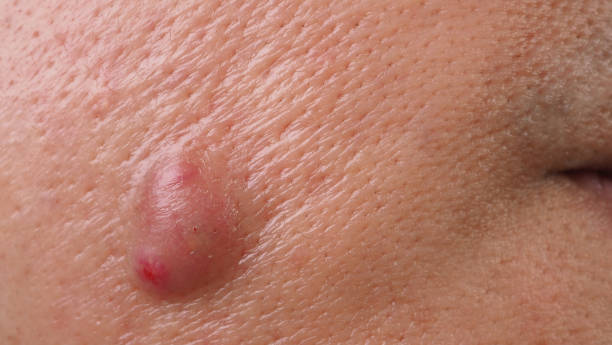
Sebaceous cysts are common lumps that develop beneath the skin when keratin and other materials accumulate within a sac. Although many cysts are harmless, some may become inflamed, painful, swollen, or infected, making medical evaluation necessary. Understanding the differences between cyst drainage and surgical excision can help you make an informed decision about treatment at a trusted clinic in Riyadh.
When researching Sebaceous Cyst Removal Cost In Riyadh, it is important to understand that the appropriate treatment depends on the cyst's size, location, condition, and medical history. People searching for cyst operation cost should also consider the differences between temporary symptom relief and removing the entire cyst sac, as these procedures have different purposes and may involve different follow-up requirements.
Understanding Sebaceous Cyst Drainage
Sebaceous cyst drainage is a procedure used to release the material trapped inside a cyst. Although the term sebaceous cyst is commonly used, many of these lumps are technically epidermoid cysts. A healthcare professional examines the affected area to determine whether drainage is appropriate, particularly when inflammation or infection causes discomfort.
How Cyst Drainage Works
During drainage, the healthcare professional typically cleans the affected area and uses local anesthesia when appropriate. A small opening is made in the cyst to allow its contents to escape. This can reduce pressure, swelling, and discomfort, particularly when the cyst is inflamed or contains infected material.
However, drainage generally does not remove the entire cyst wall. As a result, the cyst may refill or return over time. Additional treatment may be recommended after the inflammation settles, depending on the individual's condition.
Understanding Surgical Cyst Excision
Surgical excision involves removing the cyst, including its surrounding sac, when this can be done safely. It is often considered when a cyst repeatedly returns, becomes bothersome, or requires definitive treatment.
Why Excision May Provide Longer-Lasting Results
Removing the cyst wall reduces the likelihood of recurrence because the structure responsible for producing and collecting the cyst's contents is also removed. The procedure is usually performed under local anesthesia, and the incision may require stitches depending on the cyst's size and location.
Excision may be more difficult when a cyst is actively inflamed or infected. In such cases, a healthcare professional may recommend treating the inflammation first and performing definitive removal later. The removed tissue may also be sent for laboratory examination when medically indicated.
Key Differences Between Drainage and Excision
The main difference between these procedures is their treatment objective. Drainage focuses on relieving pressure and managing symptoms, whereas excision aims to remove the cyst and its sac.
Drainage may involve a relatively small opening and can provide quicker relief from painful swelling. However, recurrence is more likely when the cyst wall remains. Excision generally involves a more deliberate surgical procedure and may require wound care, stitches, and a recovery period while the incision heals.
The choice between these options should not be based on convenience alone. A clinical examination helps determine the most suitable approach based on the cyst's characteristics, the presence of infection, and the patient's overall health.
Factors That Influence Treatment Expenses
Several factors influence the overall expense of cyst treatment, regardless of the procedure selected. The size and depth of the cyst, its location, and whether it is infected can affect the complexity of treatment. A cyst in a sensitive or difficult-to-access area may require additional care.
The type of anesthesia, clinical facilities, wound dressings, follow-up appointments, and any necessary laboratory examination may also affect the overall treatment plan. Drainage may initially appear simpler, but recurring cysts can require additional visits or later excision. For this reason, understanding the complete treatment plan is more useful than comparing procedures based on their initial requirements alone.
Recovery and Aftercare Following Cyst Treatment
Recovery depends on the procedure performed and the condition of the treated area. After drainage, patients may need to keep the wound clean, change dressings as instructed, and attend follow-up appointments. The area may remain tender while inflammation improves.
Following excision, proper wound care is essential to support healing and minimize scarring. Patients should follow the clinic's instructions regarding bathing, physical activity, dressing changes, and stitch removal, if applicable. Increasing redness, worsening pain, fever, or spreading swelling should prompt medical assessment.
Frequently Asked Questions
Is drainage enough to remove a sebaceous cyst permanently?
Drainage can relieve pressure and discomfort, but it usually leaves the cyst wall in place. Consequently, the cyst may return, and complete excision may be considered later.
Which procedure is better for a recurring cyst?
Surgical excision is often considered for recurring cysts because it aims to remove the entire cyst sac. The final decision depends on the examination findings and whether inflammation or infection is present.
Can an inflamed cyst be removed immediately?
Not always. A healthcare professional may recommend drainage or treatment of the inflammation first, followed by excision after the area has settled.
Will cyst removal leave a scar?
Both drainage and excision can leave a scar. Its appearance depends on the incision, cyst location, healing process, and aftercare.
How do I know which cyst treatment is right for me?
A clinical examination is the best way to determine the appropriate treatment. The healthcare professional will assess the cyst's size, symptoms, location, and medical history before recommending a suitable option.
Book a Short Consultation at Enfield Royal Clinic
If you are concerned about a persistent or recurring skin lump, a professional assessment can help you understand your treatment options and what to expect from recovery. Enfield Royal Clinic can be your starting point for exploring suitable skin-care and cyst-treatment options in Riyadh. Arrange a consultation to discuss your concerns, receive an individualized assessment, and learn how appropriate treatment may help you achieve healthier skin.
📰 Related Stories
- Mommy Makeover Planning: Important Factors to Consider Riyadh • Oct 13, 2026
- Price of Botox Injections for Migraines: What You Need to Know Riyadh • Oct 13, 2026
- Best Liposuction for Men: Techniques, Benefits, and Recovery Riyadh • Oct 13, 2026
- Is Sebaceous Cyst Removal Painful? A Complete Guide Riyadh • Oct 13, 2026