Rome Opens Colosseo-Fori Imperiali and Porta Metronia 'Archeo-Stations' on Metro Line C in Historic Transit Triumph
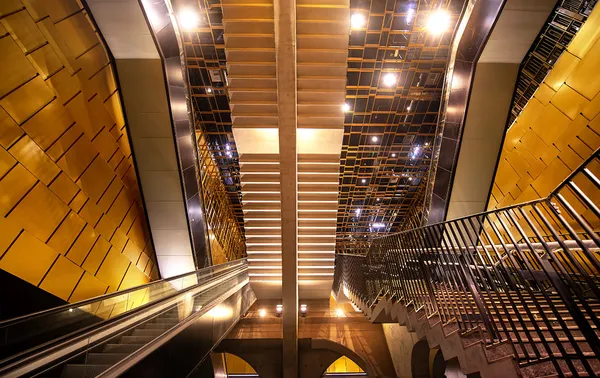
A Subterranean Engineering Triumph Beneath Ancient Imperial Monuments
ROME, Lazio — In an unprecedented triumph of modern civil engineering and cultural stewardship, the Municipality of Rome (Roma Capitale) and public transport operator ATAC have officially opened the landmark Colosseo / Fori Imperiali station to passenger service on Metro Line C. Excavated 30 meters beneath the surface adjacent to the Colosseum and the Roman Forum, the deep underground terminal establishes a vital direct interchange between Metro Line C and Metro Line B, transforming cross-city mobility through Rome's historic monumental core.
Constructing the station required state-of-the-art ground freezing, soil consolidation, and micro-precision subterranean monitoring to safeguard world-famous Roman monuments above, establishing an international benchmark for complex urban tunneling in archaeologically dense soil.
World's Premier 'Archeo-Stations' Display Ancient History In-Situ
Setting a global precedent for museum-integrated transit infrastructure, Colosseo/Fori Imperiali and its companion station at Porta Metronia are designed as fully functional 'archeo-stations'. During excavation, archaeological teams uncovered extraordinary antiquities, including a 2nd-century Roman military barracks (*castrum*), ornate mosaic-floored commander residences, Republican-era water basins, and ancient agricultural terraces.
Rather than removing these historic artifacts to offsite storehouses, curators and architects integrated them directly into the station concourses. Commuters navigate through expansive, climate-controlled glass museum levels, viewing ancient Roman structures illuminated alongside contemporary transit platforms.
Crucial Multimodal Transit Spine for Rome's Global Visitors
The opening of the subterranean corridor arrives as Rome hosts millions of international travelers, pilgrims, and cultural conference delegates. By connecting eastern suburban districts directly into the heart of the imperial center, Metro Line C eliminates thousands of surface bus and private vehicle journeys each day, protecting delicate marble monuments from vehicular vibration and tailpipe exhaust.
The station features automated platform screen doors, Grade of Automation 4 (GoA4) driverless train operations, and high-capacity elevator complexes providing step-free, universal accessibility between the surface archaeological park and the deep metro platforms.
Pushing Forward Toward Piazza Venezia and the Northern Suburbs
Rome Mayor Roberto Gualtieri and Italian infrastructure ministers hailed the station’s commissioning as decisive proof that Rome can modernize its public transit infrastructure without sacrificing its unique historical patrimony. With heavy tunnel boring operations now actively advancing toward the next mega-station at Piazza Venezia, Rome’s Metro Line C is cementing its status as the permanent, sustainable backbone of the Eternal City’s transportation network.
📰 Related Stories
- Milan City Council Accelerates 'Full Electric 2030' Transit Transition and M4 Metro Network Expansion Milan • Sep 24, 2026
- Oksana Masters Claims 11th Paralympic Gold in Emotional Sprint Redemption at Milan Cortina Val Di Fiemme • Mar 11, 2026
- Switzerland Defeats United States in Women’s Curling Semifinal at Milan Cortina 2026 Cortina D'Ampezzo • Feb 20, 2026
- San Francisco Teacher Survives Brutal Throat-Slashing Attack in Italy Milan • Jul 20, 2025