Brisbane Metro Advances Capalaba Transit Expansion as Cross River Rail Enters Critical Systems Commissioning Phase
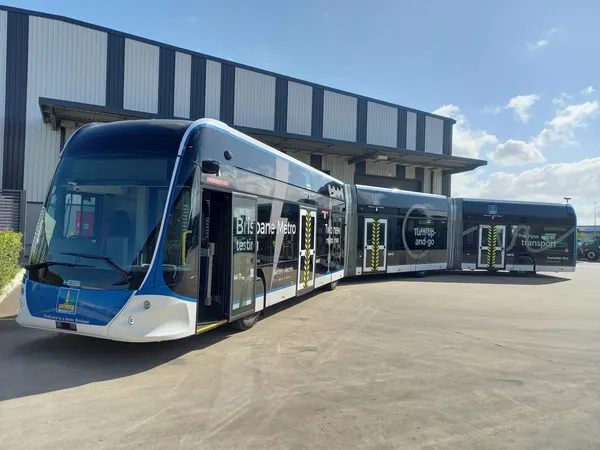
Fast-Tracking High-Capacity Metro Rapid Transit to Capalaba
BRISBANE, Queensland — Brisbane City Council and regional South East Queensland local governments have accelerated major transport planning milestones, formalizing detailed business case advocacy for the transformative Brisbane Metro extension to Capalaba. Connecting Brisbane's Central Business District directly to the growing Eastern suburbs and the Redlands coast, the proposed transit spine will deploy high-capacity, turn-up-and-go bi-articulated electric Metro vehicles along dedicated busway and arterial alignments, slashing commuter travel times and eliminating private car dependency.
The Capalaba corridor expansion serves as an indispensable pillar of the broader Local Government Infrastructure Plan (LGIP), designed to cater to significant population growth across South East Queensland while establishing high-frequency public transport redundancy ahead of the Brisbane 2032 Olympic and Paralympic Games.
Cross River Rail Enters Advanced Systems and Signaling Integration
In tandem with council rapid transit initiatives, the Queensland Government's flagship $6.3+ billion Cross River Rail project has officially transitioned from subterranean civil tunneling into its critical systems integration and commissioning phase. Stretching 10.2 kilometres from Dutton Park to Bowen Hills—including a 5.9-kilometre twin tunnel deep beneath the Brisbane River and CBD—the rail project is actively installing and testing next-generation European Train Control System (ETCS) Level 2 signaling.
Specialized rail systems engineering teams are conducting live operational simulation trials across the alignment, evaluating power traction substations, computerized track interlocking, telecommunications, and synchronized ventilation shafts to guarantee passenger safety and microsecond punctuality before commercial revenue service begins.
Four Landmark Subterranean Stations Near Architectural Completion
Decisive construction progress has been accomplished across the project’s four brand-new underground stations: Boggo Road, Woolloongabba, Albert Street, and Roma Street. Station fit-outs have advanced to the installation of high-capacity glass platform screen doors, sweeping architectural ceiling baffles inspired by Queensland flora, panoramic escalators, and accessible step-free elevators linking deep platforms to street-level concourses.
The Albert Street station—the first train station built in Brisbane’s city centre in over 120 years—will serve as the central hub of downtown pedestrian mobility, placing commuters within steps of Queen Street Mall, corporate financial districts, and the Queens Wharf entertainment precinct.
Catalyzing Olympic Delivery and Sustainable Decarbonization
Transport leaders emphasized that the operational convergence of Brisbane Metro's 24-metre Swiss-built all-electric vehicle fleet and Cross River Rail’s heavy passenger throughput will unlock historic transit capacity, removing thousands of peak-hour bus trips from jammed river bridges and surface roadways.
With comprehensive driver training and network dynamic vehicle testing progressing steadily, South East Queensland is establishing a world-class, integrated mass-transit network capable of handling Olympic volumes and ensuring long-term sustainable urban growth for decades to follow.
📰 Related Stories
- Queensland Advances ETCS Level 2 Signalling Validation and Station Commissioning Across $6.3 Billion Cross River Rail Project Brisbane • Sep 28, 2026
- Queensland Advances ETCS Level 2 Signalling Validation and Station Commissioning Across $6.3 Billion Cross River Rail Project Brisbane • Sep 28, 2026
- Brisbane City Council Expands Brisbane Metro Electric Fleet and Underground Cross River Rail Stations Brisbane • Sep 25, 2026
- Queensland Government Unveils Five-Year Freight Delivery Plan to Modernize Supply Corridors Across Brisbane Brisbane • Sep 24, 2026