Severe Storms Leave Hundreds of Thousands Without Power in Illinois and Northwest Indiana
Ongoing Threats and Community Recovery Efforts
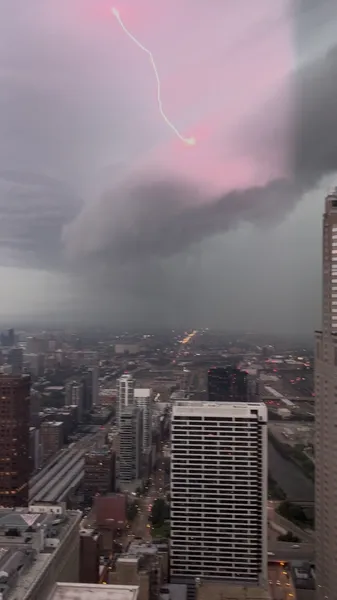
Hundreds of thousands of residents in Illinois and northwest Indiana are grappling with widespread power outages following the devastation of severe storms that struck the region on Tuesday. The storms, which brought at least three confirmed tornadoes, rattled communities and left extensive damage in their wake.
On Wednesday, another round of severe weather approached, prompting a severe thunderstorm watch across areas including Joliet, Kankakee, and DeKalb until 1 p.m. local time. Meteorologists caution that while the incoming storms could bring heavy downpours and gusty winds, they may not match the ferocity of Tuesday's onslaught.
“Most areas may not experience severe winds, but if conditions do warrant, gusts could reach as high as 70 miles per hour,” said Gino Izzi, a meteorologist with the National Weather Service.
Tuesday’s storms resulted in the formation of three tornadoes, which registered gusts between 86 and 110 mph. These tornadoes were documented in southern Cook County, eastern Will County, and the Mokena area, which bore significant impacts.
In Mokena, winds uprooted trees and knocked out power to many residents, plunging them into darkness. Local resident Rick Johnson, who has lived in the area for over 30 years, remarked, “It’s been an odd year,” referring to the increasingly destructive weather patterns experienced this summer.
Record Tornado Counts and Safety Preparedness
The recent storms have highlighted a concerning trend in Illinois, where the state has already recorded a staggering 198 tornadoes this year, surpassing the previous record of 142 set in 2024, according to preliminary data from the National Weather Service. Meteorologists attribute this surge to numerous rounds of severe weather affecting the region this spring and summer.
This year's weather has led many to question the frequency of tornado events in Illinois. According to Trent Ford, Illinois state climatologist, every resident should be prepared for severe weather by having a family safety plan and ensuring that electronic devices remain charged in case of power outages.
Some residents have admitted to underestimating the severity of past storms, despite the advance alerts sent to their cell phones and the sound of tornado sirens. Rob Griffin, a Lansing resident, shared his regrets after nearly losing his roof in late July’s severe weather. “I think they’re doing a good job of warning us,” he said. “Hopefully, we, as citizens, will take heed to that.”
Understanding the Changes in Tornado Patterns
The rising number of tornadoes in 2026 has led to discussions about whether these trends could be tied to changing climate conditions. Although tornado patterns can vary significantly from year to year, indications show increased activity in recent seasons. While some argue that Illinois may be joining the ranks of areas historically known as Tornado Alley, the state has been recognized as a part of this region for some time.
Researchers continue to investigate the effects of climate change on tornado frequency, with warmer temperatures and increased atmospheric moisture potentially creating ideal conditions for severe storms. However, experts caution that the precise relationship between climate change and tornado occurrences remains a complex topic of study.
As communities begin the long process of recovery, officials emphasize the importance of preparedness and responsiveness to severe weather alerts.
As of today, recovery efforts are underway in the aftermath of Tuesday's storms, while people remain vigilant about the potential for further severe weather.
📰 Related Stories
- 29 Chicago Aldermen Form Budget Accountability Coalition Over FY 2027 Deficit as West Garfield Park Missing-Middle Housing Advances Chicago • Sep 29, 2026
- Chicago City Council Weighs Dueling Rental Reform Ordinances as Mayor Johnson Advances West Garfield Park Infill Housing Chicago • Sep 28, 2026
- Chicago Transit Authority Transitions to Reconfigured Regional Board Under NITA Act as City Manages FY 2026 Fiscal Operations Chicago • Sep 26, 2026
- San Diego MTS and Affirmed Housing Break Ground on $116M Spring View TOD as Airport Express Bus Expands San Diego • Sep 29, 2026