Arguments Emerge in Case Against Tyler Robinson for Killing Charlie Kirk in Utah
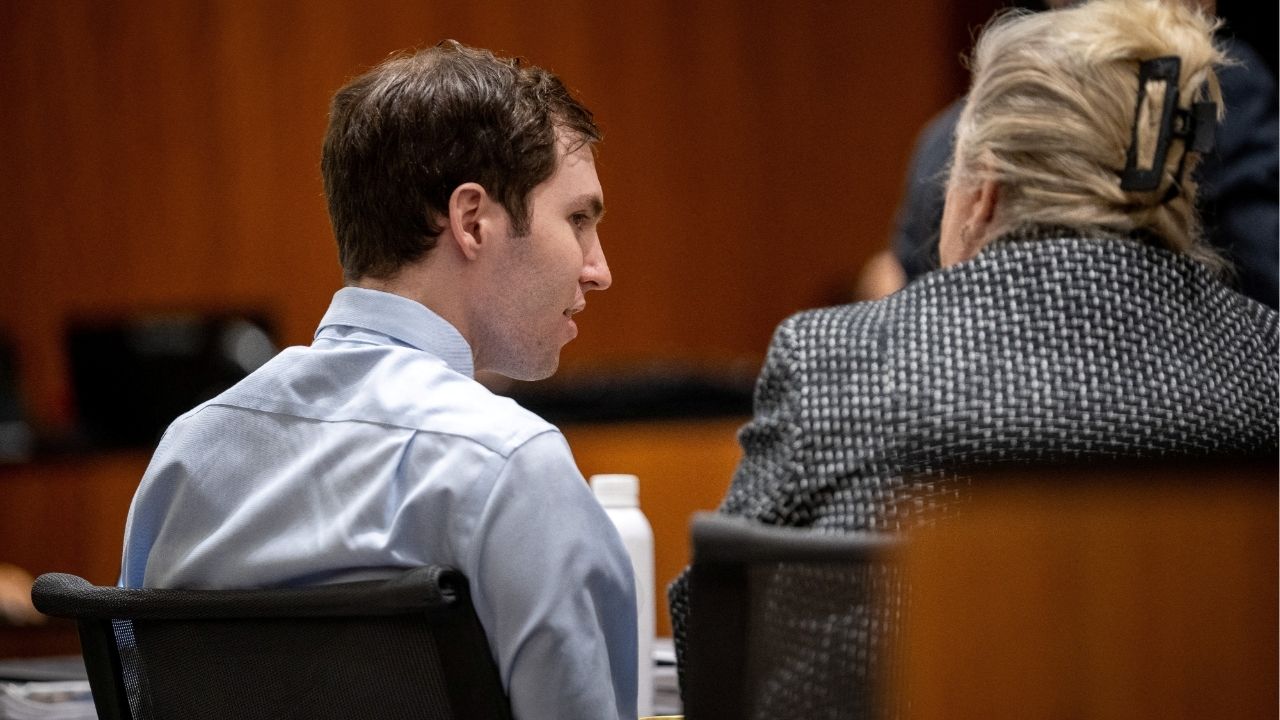
Defense Challenges Death Penalty Charges in Shooting Case
In a significant legal development, defense attorneys for Tyler Robinson have filed arguments against the imposition of the death penalty in connection to the shooting death of conservative activist Charlie Kirk. This incident unfolded during a public event at Utah Valley University on September 10, 2022, where Kirk was addressing a large crowd.
The defense team contends that the bullet fired by Robinson traveled above the audience and assert that it hasn’t been proven that others were placed in danger, a key factor that could qualify the case as a capital crime under Utah law. “The only evidence presented supports that the bullet traveled above, not through, the crowd,” the defense stated in documents submitted to the court.
Allegations of Political Motivation Face Scrutiny
Robinson is accused of targeting Kirk due to his political rhetoric. Prosecutors have indicated that he voiced to a roommate his reasons for the shooting, allegedly stating he was tired of Kirk’s “hatred.” However, defense lawyers argue that this single remark does not sufficiently establish Robinson's motive, especially after thorough searches of his belongings yielded no additional incriminating evidence.
During a prior hearing, prosecutors presented what they described as “overwhelming” evidence linking Robinson to the murder, including DNA tests linked to the gun and supposed confessions made by him. The defense has challenged the reliability of this evidence, but did not provide alternate explanations during their recent court filings.
Legal Proceedings and Next Steps
As of recent updates, Robinson has not yet entered a formal plea. He surrendered to authorities a day after Kirk's death. Legal proceedings continue to unfold in a cautious manner, reflecting the substantial amount of evidence being reviewed. The judge overseeing the case, State District Judge Tony Graf, previously denied a request from Robinson's attorneys to dismiss the death penalty after the prosecution was found in contempt for media discussions about the case.
The prosecution has until August 18 to respond to the latest defense claims. In court documents filed last month, they argued that Robinson's decision to load his rifle with multiple rounds indicated awareness of the possibility of missing Kirk, thus jeopardizing others in the vicinity. However, the defense argued that it could just as easily be inferred that Robinson believed he would not miss, shifting responsibility away from claims of recklessness.
Context of Violence Against Public Figures
This case highlights growing concerns over violent acts against public figures, particularly those with polarizing viewpoints, mirroring a troubling trend in political discourse. Kirk’s outspoken opposition to issues such as same-sex marriage and gender transitioning contrasts sharply with Robinson's personal life, where he was involved in a romantic relationship and had pondered transitioning himself, according to statements from his roommate, Lance Twiggs.
Twiggs, who is reportedly navigating his own identity issues, noted that he had never heard Robinson express strong opinions about Kirk prior to the tragedy. The complex dynamics of this case, entwined with political ideology and personal beliefs, reveal the multifaceted nature of contemporary conflicts.
As legal teams prepare for the next court dates, closing arguments for the preliminary hearing are set for September 1. Judge Graf will then decide whether the case proceeds to trial and on which charges. Legal experts describe the extended timeline of the preliminary hearings as unusual, indicative of the careful consideration needed given the volume of evidence involved. Family members of Kirk have urged a timely resolution to allow for further judicial proceedings.
📰 Related Stories
- Preliminary Hearing for Charlie Kirk Murder Suspect Continues with DNA Evidence Dispute Orem • Jul 08, 2026
- Charlie Kirk, 31, Shot Dead During Utah College Event Orem • Sep 11, 2025
- Tragic Helicopter Crash Linked to Utah Wildfire Amid Western Firefighting Struggles Fishlake National Forest • Aug 09, 2026
- San Diego MTS and Affirmed Housing Break Ground on $116M Spring View TOD as Airport Express Bus Expands San Diego • Sep 29, 2026