U.S. ceasefire plan to Iran submitted as troop deployments and regional strikes escalate
On March 25, 2026, the United States delivered a 15-point ceasefire proposal to Iran, even as Washington moved additional forces into the Middle East and air-raid sirens and strikes echoed across the region. The plan was routed through intermediaries in Pakistan, U.S. officials said, as diplomatic channels were tested amid renewed attacks on Israel and Gulf states.
In parallel with the submission, Pentagon officials authorized the rapid deployment of at least 1,000 soldiers from the 82nd Airborne Division and ordered two Marine units that together would add roughly 5,000 Marines plus thousands of sailors to the theater. Iran’s armed forces publicly dismissed reports of talks, and its Khatam Al-Anbiya headquarters spokesman, Lt. Col. Ebrahim Zolfaghari, rejected the notion of negotiations in a televised statement.
Fighting intensified: Israeli forces announced broad strikes on Iranian government targets, witnesses reported strikes near the city of Qazvin, and Gulf states reported drone and missile activity. Kuwait said it shot down multiple drones but that one struck a fuel tank at Kuwait International Airport, igniting a fire crews were working to contain. Saudi Arabia reported destroying several drones over its Eastern Province.
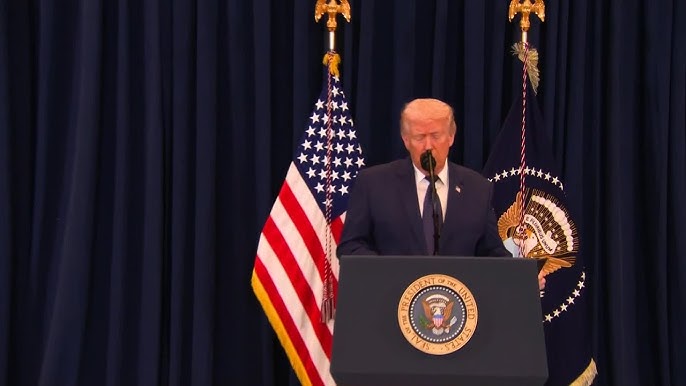
Market consequences were immediate. Brent crude, which had approached $120 a barrel earlier in the conflict, traded below $100 as ceasefire talk eased immediate panic, though prices remain substantially higher than before the war. President Donald Trump said U.S. negotiators were engaged and named several individuals he said were involved in talks; Tehran’s leadership publicly cast doubt on any direct U.S.–Iran negotiations.