NASA Classifies Boeing Starliner 2024 Mission as Most Severe ‘Type A’ Mishap
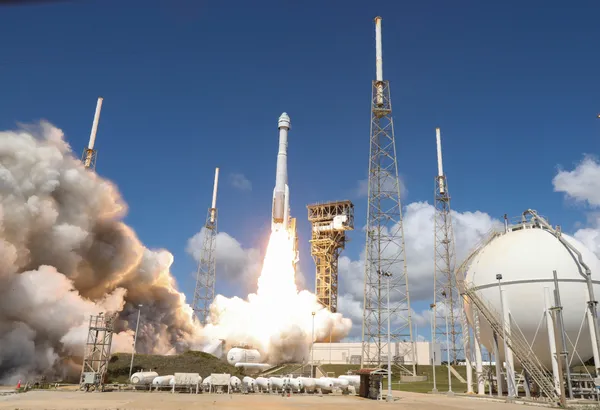
NASA Assigns Highest Mishap Classification to 2024 Starliner Mission
NASA has formally designated the botched 2024 Boeing Starliner mission as a “Type A” mishap, the agency’s most serious classification for incidents. The mission, which involved NASA astronauts Suni Williams and Butch Wilmore, resulted in the two pilots being stranded in space for more than nine months before their return to Earth in March 2025.
According to NASA, a “Type A” mishap is reserved for events that cause more than $2m in damage, the loss of a vehicle or its control, or deaths. In its statement on the Starliner incident, NASA said that while there were no injuries and mission control was regained prior to docking, the highest-level classification was applied because there was potential for a significant mishap.
Leadership Response and Accountability Measures
On Thursday, NASA’s new administrator, Jared Isaacman, publicly criticised both Boeing, which built the Starliner spacecraft, and NASA itself for what he described as poor decision-making and leadership that contributed to the failed mission. Isaacman stated that NASA is declaring a Type A mishap for the Starliner mission and is ensuring leadership accountability so that similar situations do not recur.
Isaacman assumed NASA’s top job in late 2025 after a second nomination by US President Donald Trump. His appointment followed an earlier phase in which Trump had put forward Isaacman’s name for the role and then withdrawn it during a public dispute with Tesla and SpaceX chief executive Elon Musk.
Findings of the Independent Investigation
NASA released a 312-page report following an independent investigation commissioned to determine the causes of the Starliner mission’s problems. Investigators identified hardware failures, leadership missteps, and cultural issues within the organisations involved, which led to conditions that did not meet NASA’s safety standards.
The report cited poor engineering and a lack of oversight at Boeing as key factors that turned what was intended to be an eight-to-14-day test mission into a months-long ordeal for Williams and Wilmore aboard the International Space Station. The astronauts ultimately left the station in March 2025 aboard a SpaceX flight. Both pilots have since retired from NASA.
NASA Accepts Report and Begins Corrective Actions
NASA confirmed it will accept the investigation’s report as final and is taking corrective actions to address the findings. In its statement, the agency acknowledged that although Boeing built the Starliner spacecraft, NASA accepted the vehicle and proceeded to launch two astronauts on the mission.
Isaacman stated that to carry out missions that can change the world, NASA must be transparent about its successes and shortcomings, and that the agency must take responsibility for its mistakes and work to prevent their recurrence.
📰 Related Stories
- Eli Lilly Breaks Ground on $6.5 Billion Pharmaceutical Manufacturing Campus at Generation Park in Houston Houston • Sep 28, 2026
- Houston METRO Expands On-Demand Transit Services Across Harris County as Port Houston Greenlights Bayport Cold Storage Houston • Sep 28, 2026
- Eli Lilly Breaks Ground on $6.5 Billion Pharmaceutical Manufacturing Campus at Generation Park in Houston Houston • Sep 28, 2026
- Boston Gathers Community Feedback on Blue Hill Avenue Protected Busway as Mayor Wu and Council Advance Housing Measures Boston • Sep 28, 2026