Kansas Resident Urges Lawmakers to Legalize Raccoons as Pets
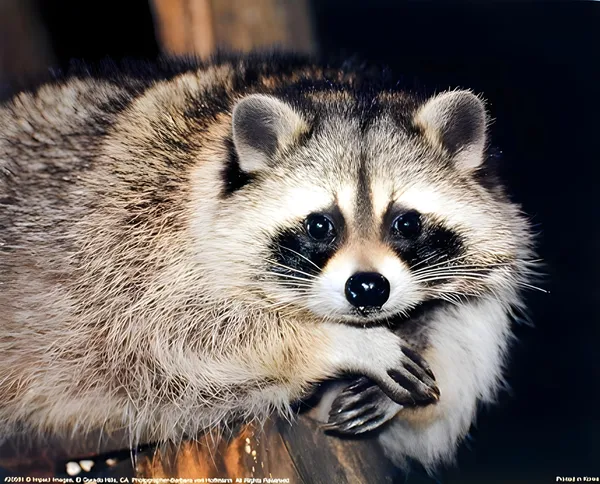
Resident Petitions Kansas Lawmakers Over Raccoon Ownership
In Topeka, Kansas, a resident named Stephen Kaspar appeared before a panel of state lawmakers in a Kansas legislative committee room to advocate for legalizing raccoons as pets in the state.
Kaspar has been feeding and training raccoons in his suburban neighborhood for the past four years. He described these activities as an important part of his life since his children left home. His efforts are focused on changing current Kansas law, under which having a pet raccoon is not legal, even though such ownership is legal in at least a handful of other states.
Details of Proposed Raccoon Legislation
Kaspar, with the assistance of a lawmaker who had a raccoon companion as a child, is supporting a bill intended to permit raccoons as pets in Kansas. The bill would not allow residents to bring wild raccoons indoors. Instead, it would permit people to purchase domesticated raccoons from licensed breeders.
Under the proposal described at the hearing, prospective raccoon owners would be required to complete a course on raccoon care. They would also have to keep the animals current on vaccinations and provide each raccoon with its own room or enclosure. These conditions were presented as part of the framework for legal pet raccoon ownership in the state.
Concerns Raised by Veterinarians and Lawmakers
Several veterinarians, including some who serve as lawmakers, spoke in opposition to the bill during the committee hearing. They cited risks related to rabies and distemper in raccoons as reasons for concern.
State Representative Duane Droge shared an example from his time in veterinary school, stating that his roommate had a raccoon that would hide until the refrigerator door was opened, then take over the refrigerator and prevent people from entering the kitchen. This anecdote was presented as an illustration of raccoon behavior that concerned some opponents of the bill.
Kaspar’s Experience With Neighborhood Raccoons
After the hearing in Topeka, Kaspar, who works in sales in the Kansas City area, discussed his experiences with raccoons. He said he feeds them fruits and vegetables and, in online videos, can be seen feeding them marshmallows by hand. He described one raccoon in particular, named Robbie, who began visiting the back deck of his suburban home.
Kaspar recounted that he could go outside at about 6 a.m. with his coffee, call out Robbie’s name, and the raccoon would come up the stairs to receive treats and toys, play briefly, and then leave. This interaction marked the beginning of his ongoing involvement with raccoons in his neighborhood.
Legislative Status and Outlook
The bill to legalize pet raccoons in Kansas has been opposed by the state health department. It was not brought to a vote in the legislative committee where Kaspar testified. He acknowledged that his effort to change the law will be an uphill battle, but he stated that he believes the movement to legalize pet raccoons is very popular and that he does not intend to abandon the effort.
The testimony and responses in Topeka highlight a continuing debate among Kansas lawmakers, veterinarians, and residents over whether domesticated raccoons should be allowed as pets under state law.
📰 Related Stories
- Arkansas State Trooper Sued Over Alleged Assault During Traffic Stop Mississippi County • Aug 12, 2026
- Federal Charges Filed Against Three Men Accused of Funding ISIS and Plotting Attacks on U.S. Troops Leawood • Jun 06, 2026
- Joseph Duggar Arrested in Arkansas, Faces Florida Charge of Lewd Conduct Tontitown • Mar 19, 2026
- University of Chicago Doctors Back Illinois Bill Targeting Gun Manufacturers Chicago • Sep 09, 2026