How to Manage Parking Spaces More Efficiently
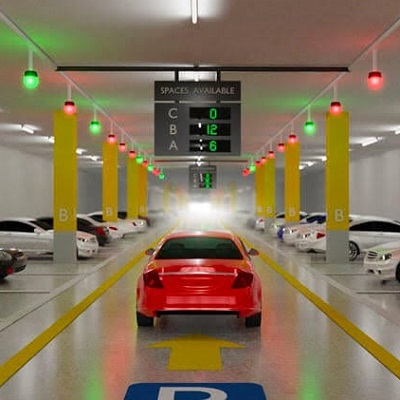
Managing parking spaces efficiently has become an important priority for commercial buildings, shopping centres, residential communities, hospitals, hotels, and business facilities. As cities continue to grow and vehicle ownership increases, finding suitable parking can become a daily challenge. Poorly managed parking areas often lead to traffic congestion, wasted time, frustrated visitors, and unnecessary operational expenses. A well-organised parking facility, on the other hand, creates a smoother experience for drivers while helping property owners make better use of their available space.
Modern parking management is no longer limited to assigning vehicles to empty spots. It involves combining smart technology, organised traffic flow, accurate monitoring, and effective space allocation. Businesses looking for the Best Parking Management System Saudi Arabia can benefit from solutions that simplify parking operations, improve accessibility, and support better facility management. With the right approach, parking areas can become safer, more organised, and easier to maintain.
1. Understand Parking Demand and Available Space
The first step towards efficient parking management is understanding how a parking facility is being used. Every location has different parking requirements depending on its size, visitor numbers, operating hours, and surrounding environment.
For example, a shopping centre may experience its highest parking demand during weekends and holidays, while an office building may have a consistent demand during regular working hours. Residential communities generally require long-term parking arrangements, whereas hotels and hospitality facilities may need dedicated spaces for guests and short-term visitors.
A proper parking assessment helps facility managers identify how many spaces are available, which areas experience the highest demand, and where unnecessary congestion occurs.
Several factors should be considered during this assessment:
-
Total number of available parking spaces.
-
Average number of vehicles entering and leaving daily.
-
Peak parking hours and seasonal demand.
-
Availability of visitor and reserved parking.
-
Areas where traffic congestion frequently develops.
-
Accessibility requirements for people with disabilities.
By reviewing these factors, property managers can make informed decisions about space allocation and identify opportunities to improve the overall parking experience.
2. Introduce Smart Parking Management Technology
Technology plays an important role in improving parking operations. Traditional parking systems often depend on manual monitoring, paper tickets, and security personnel to manage vehicle entry and exit. Although these methods may work for smaller facilities, they can become inefficient when parking demand increases.
Smart parking management technology helps automate several routine tasks. Depending on the solution, it may include automated barriers, vehicle recognition cameras, digital payment facilities, parking sensors, and centralised management software.
These technologies can provide several advantages:
Real-time parking information: Sensors and monitoring systems can help identify available parking spaces, reducing the time drivers spend searching for a suitable spot.
Automated vehicle access: Entry and exit barriers can help control vehicle movement while reducing dependence on manual ticket checking.
Digital payment options: Electronic payment facilities can make parking transactions more convenient and reduce delays at exit points.
Centralised monitoring: Management software can provide useful information about parking occupancy, vehicle movement, and operational performance.
For facilities with high vehicle traffic, these features can make a significant difference. Automated systems also help reduce administrative work and allow staff to focus on security, customer assistance, and other important responsibilities.
3. Improve Parking Space Allocation and Layout
An efficient parking facility requires more than advanced technology. Its physical layout must also support smooth vehicle movement and make the best possible use of available space.
Poorly planned parking layouts can create unnecessary congestion, increase the risk of minor accidents, and make it difficult for drivers to locate empty spaces. Clearly marked parking bays, organised entry and exit routes, and visible directional signs can help solve many of these problems.
Facility managers should consider the following improvements:
-
Create clearly marked parking spaces with appropriate dimensions.
-
Separate entry and exit routes wherever the layout allows.
-
Reserve designated spaces for visitors and authorised vehicles.
-
Provide accessible parking spaces in convenient locations.
-
Establish separate areas for motorcycles, bicycles, and other vehicle types where needed.
-
Maintain sufficient clearance for pedestrians and emergency access.
Parking arrangements should also reflect local traffic conditions and building requirements. In busy commercial areas, a one-way circulation system may help reduce vehicle conflicts. In residential buildings, assigned parking spaces can prevent disputes between residents.
A well-designed layout improves convenience while making parking operations more predictable and manageable.
4. Use Data to Monitor Parking Performance
One of the most effective ways to manage parking spaces is to make decisions based on accurate operational data. Without proper monitoring, facility managers may struggle to understand why certain areas remain overcrowded while other spaces are underused.
Parking management software can help collect and organise information about vehicle entry, exit activity, parking occupancy, and usage patterns. This information provides valuable insights into how efficiently the available space is being utilised.
For instance, if records show that a particular section remains mostly empty while another section reaches full capacity every morning, managers can adjust parking allocation or improve directional signage.
Useful parking performance indicators include:
-
Parking occupancy rate.
-
Average parking duration.
-
Vehicle entry and exit frequency.
-
Peak usage periods.
-
Revenue and payment records, where applicable.
-
Frequency of unauthorised parking.
-
Customer complaints and reported operational issues.
Regularly reviewing these indicators allows managers to identify problems before they become serious. It also helps businesses plan future improvements based on actual requirements rather than assumptions.
Data-driven parking management is particularly useful for large properties, commercial developments, and facilities that experience changing visitor demand throughout the day.
5. Strengthen Parking Security and Traffic Control
Security is another essential part of efficient parking management. A parking facility should provide a safe and organised environment for vehicles, pedestrians, employees, and visitors.
Poorly controlled parking areas can increase the likelihood of unauthorised vehicle access, parking disputes, theft, and traffic-related incidents. A combination of technology and clear operating procedures can help reduce these risks.
Some practical security measures include:
Install surveillance cameras: CCTV systems can help monitor vehicle movement, identify unusual activity, and support investigations when incidents occur.
Control vehicle access: Automated barriers, access cards, vehicle recognition systems, and authorised entry procedures can help prevent unauthorised vehicles from entering restricted areas.
Improve lighting: Well-lit parking areas make it easier for drivers and pedestrians to navigate, particularly during evening and nighttime hours.
Display clear signs: Speed limits, directional signs, pedestrian crossings, and parking restrictions should be visible throughout the facility.
Maintain emergency access: Fire exits, emergency lanes, and access routes should remain clear at all times.
In addition, parking staff should receive appropriate training to handle traffic congestion, assist visitors, and respond to unexpected situations.
Combining effective security measures with organised traffic control creates a more reliable parking environment.
6. Focus on Sustainability and Regular Maintenance
Efficient parking management should also consider environmental responsibility and long-term maintenance. Poorly maintained parking facilities can become inconvenient, unsafe, and expensive to operate.
Regular inspections help identify damaged surfaces, faded markings, malfunctioning barriers, poor lighting, and drainage issues. Addressing these problems promptly can prevent larger maintenance costs and improve the experience of people using the facility.
Sustainable parking practices can also contribute to better resource management.
Some useful measures include:
-
Installing energy-efficient LED lighting.
-
Using smart lighting controls where appropriate.
-
Providing designated electric vehicle charging spaces based on demand.
-
Encouraging carpooling and shared transportation.
-
Supporting bicycle parking facilities.
-
Using digital tickets and electronic payment systems to reduce paper consumption.
-
Maintaining landscaping and drainage to improve the surrounding environment.
In Saudi Arabia, where commercial developments, residential communities, and infrastructure projects continue to evolve, modern parking facilities need to accommodate changing mobility requirements. Smart and sustainable parking solutions can help property managers improve operational efficiency while supporting broader urban development goals.
7. Choose a Parking Management Solution That Meets Facility Requirements
Selecting the right parking management solution is an important decision for any property owner or facility manager. Not every parking facility has the same requirements, so the chosen system should match the property's size, expected vehicle volume, security needs, and operational objectives.
Before selecting a solution, businesses should evaluate several important considerations.
Scalability: The system should be capable of supporting future expansion if the facility adds more parking spaces or experiences increased traffic.
Ease of operation: Management software and access control features should be straightforward for staff to operate.
Integration capabilities: A suitable solution should support integration with relevant security cameras, payment systems, access controls, and other facility technologies.
Reliability: Equipment should be suitable for the facility's operating conditions and provide consistent performance.
Technical support: Installation assistance, maintenance services, and technical support are important for maintaining uninterrupted operations.
Reporting features: Useful reports can help management evaluate parking occupancy, identify operational issues, and improve resource allocation.
A careful evaluation of these requirements helps businesses avoid investing in features they do not need while ensuring that essential parking functions are properly covered.
Frequently Asked Questions (FAQs)
1. What is a parking management system?
A parking management system is a combination of technology, equipment, and operational processes used to organise and monitor parking facilities. It can include automated barriers, vehicle recognition cameras, parking sensors, digital payment options, and management software. Its primary purpose is to improve parking efficiency, security, and convenience.
2. How does smart parking technology improve parking efficiency?
Smart parking technology helps drivers and facility managers access more accurate information about parking availability and vehicle movement. Features such as occupancy sensors, automated entry barriers, and digital payments can reduce waiting times, minimise manual work, and make better use of available parking spaces.
3. Why is parking space allocation important?
Proper parking space allocation prevents overcrowding, reduces unnecessary vehicle movement, and ensures that different users have access to suitable parking areas. Designated spaces for residents, employees, visitors, and people with disabilities also help create a more organised and accessible facility.
4. What features should businesses consider when choosing a parking management system in Saudi Arabia?
Businesses should consider automated access control, vehicle recognition, real-time occupancy monitoring, digital payment facilities, security integration, reporting capabilities, scalability, and technical support. The most suitable features depend on the facility's size, traffic volume, and operational requirements.
5. How can parking facilities reduce traffic congestion?
Parking facilities can reduce congestion by introducing clearly marked entry and exit routes, improving directional signage, using automated barriers, monitoring peak hours, and providing real-time parking availability information. Separating pedestrian movement from vehicle traffic can also improve overall safety.
6. How often should a parking facility be inspected and maintained?
Parking facilities should undergo regular inspections based on their usage, size, and operating conditions. Daily visual checks can help identify immediate problems, while scheduled maintenance should cover barriers, cameras, lighting, parking markings, surfaces, drainage, and other essential equipment.
Conclusion
Managing parking spaces efficiently requires a combination of thoughtful planning, modern technology, organised layouts, effective security, and regular maintenance. Whether a facility serves a residential community, shopping centre, office building, or commercial development, the right management approach can improve space utilisation and create a smoother experience for drivers.
Smart parking technology makes it easier to monitor vehicle movement, automate routine operations, and collect useful information for better decision-making. At the same time, clear parking arrangements, reliable security measures, and sustainable maintenance practices help ensure long-term performance.
For businesses in Saudi Arabia, investing in a suitable parking management solution can support growing mobility needs and improve the overall efficiency of property operations. By focusing on practical requirements and choosing reliable technology, facility managers can transform parking areas into safer, more organised, and more convenient spaces.
📰 Related Stories
- What Are Valet Parking Services and How Do They Work? Qq85+M2M • Nov 17, 2026
- Understanding Advanced Rhinoplasty in Riyadh for Facial Enhancement Qq85+M2M • Oct 07, 2026
- Understanding How to Treat Back Acne for Clearer and Healthier Skin Qq85+M2M • Sep 24, 2026
- Body Contouring Procedure in Riyadh for a Refined Body Shape King Abdullah Branch Rd • Sep 23, 2026