Understanding How to Treat Back Acne for Clearer and Healthier Skin
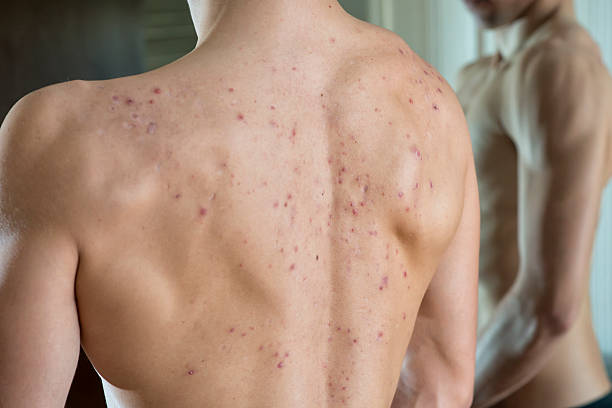
Back acne, sometimes called “bacne,” is a common skin concern that can affect people of different ages and skin types. It may appear as small bumps, blackheads, whiteheads, red pimples, or deeper inflamed spots across the shoulders, upper back, and sometimes the lower back. Although back acne is usually not dangerous, persistent breakouts can cause discomfort, discoloration, and emotional frustration.
Learning How to Treat Back Acne (كيفية علاج حبوب الظهر واثارها) begins with understanding what causes it and identifying skincare habits that may contribute to clogged pores. People searching for How to Treat Back Acne in Riyadh may also want to understand professional treatment options, daily skincare routines, prevention strategies, and ways to reduce the appearance of acne marks. A consistent approach can help manage breakouts and support clearer-looking skin over time.
What Causes Back Acne?
Back acne develops when hair follicles become clogged with oil, dead skin cells, and other substances. When excess sebum combines with dead skin cells, pores can become blocked and create an environment where acne develops. Bacteria and inflammation may further contribute to the formation of pimples.
Several everyday factors can make back acne more noticeable. Sweating, tight clothing, friction from backpacks, and prolonged contact with workout clothes can trap moisture and oil against the skin. Hormonal changes can also increase oil production, making some individuals more prone to recurring acne.
Sweat and Excess Oil
Sweating does not automatically cause acne, but leaving sweat on the skin for extended periods may contribute to clogged pores and irritation. This can be particularly relevant after exercise or during hot weather. Showering after heavy sweating and changing into clean clothing can help keep the skin fresh.
Friction and Tight Clothing
Repeated rubbing from clothing, sports equipment, backpacks, or other objects can irritate the skin. This type of irritation may worsen existing breakouts and contribute to acne-like bumps. Wearing comfortable, breathable clothing can reduce unnecessary friction.
How to Treat Back Acne With a Consistent Skincare Routine
An effective skincare routine is an important part of understanding How to Treat Back Acne. The goal is to cleanse the skin without excessively drying or irritating it while using appropriate acne-fighting ingredients when needed.
A gentle cleanser can help remove excess oil, sweat, and surface impurities. Harsh scrubbing should generally be avoided because aggressive friction can irritate inflamed skin and make breakouts appear worse.
Choose Suitable Acne-Fighting Ingredients
Certain ingredients are commonly used in acne skincare. Salicylic acid can help remove excess dead skin cells and unclog pores, while benzoyl peroxide can help reduce acne-causing bacteria and inflammation. Products containing these ingredients should be introduced carefully because they can sometimes cause dryness or irritation.
For individuals researching How to Treat Back Acne in Riyadh, selecting products according to skin type can be particularly useful. Sensitive or easily irritated skin may require a gentler approach, while oily skin may tolerate certain acne-focused ingredients more readily.
Avoid Excessive Scrubbing
Scrubbing the back aggressively with rough brushes, loofahs, or exfoliating products can irritate acne-prone skin. Acne is not caused simply by dirt, so excessive washing is not necessarily a better solution. Gentle cleansing is usually more appropriate for maintaining the skin barrier.
Showering and Hygiene Habits That May Help
Good hygiene can support an acne-friendly routine, particularly when sweat and oil are contributing factors. Showering after physical activity can remove sweat and residue from the skin before they remain trapped under clothing.
It can also be helpful to wash workout clothing regularly and avoid repeatedly wearing garments that have accumulated sweat and oil. Clean towels and bedding may also support general skin hygiene.
Pay Attention to Hair and Body Products
Hair conditioners, oils, styling products, and certain body products can sometimes come into contact with the back and contribute to clogged pores in acne-prone individuals. Rinsing hair products thoroughly and cleansing the back afterward may help reduce unwanted residue.
People looking into How to Treat Back Acne in Riyadh should consider their complete personal-care routine rather than focusing only on acne products. Sometimes, small changes to products and habits can make a meaningful difference in managing recurring breakouts.
When Should You Consider Professional Acne Treatment?
Mild back acne may improve with appropriate skincare and lifestyle adjustments, but persistent or severe acne may require professional evaluation. Deep, painful, or recurring lesions can increase the risk of long-lasting marks and scars.
A qualified dermatology professional can assess the appearance and severity of the acne and determine whether it may be related to another skin condition. This is particularly important when home skincare does not produce sufficient improvement or when acne is affecting daily confidence and comfort.
Professional Assessment
Professional assessment can help distinguish ordinary acne from conditions that may look similar. Folliculitis, for example, can sometimes produce small bumps on the back and may require a different management approach.
An evaluation can also help determine whether topical treatments are appropriate or whether other treatment options should be considered based on the individual's skin condition and medical history.
Treatment Options for Persistent Back Acne
Depending on the severity and type of acne, professional treatment may involve topical medications, prescription therapies, or selected dermatological procedures. The appropriate approach varies from person to person.
Topical retinoids may be recommended in some cases because they can help regulate the shedding of skin cells and reduce clogged pores. Other medications may be considered when inflammation or bacterial involvement is significant. Treatment should be selected according to the individual's condition rather than using multiple active products without professional guidance.
Managing Acne Marks
Back acne can sometimes leave behind dark spots after the original inflammation has disappeared. These marks may gradually become less noticeable, although the process can take time.
Sun exposure can sometimes make discoloration more noticeable, particularly when areas of the back are exposed. Appropriate sun protection and avoiding picking or squeezing acne lesions can help reduce the risk of prolonged discoloration.
Understanding Acne Scarring
Acne scars are different from temporary post-acne discoloration. Scarring occurs when inflammation damages deeper layers of the skin and can result in changes in skin texture.
If permanent or depressed scars have developed, professional treatments may be considered after active acne has been controlled. Different procedures may target different types of scars, so assessment is important before selecting a treatment.
How to Prevent Back Acne From Returning
Prevention is an important part of learning How to Treat Back Acne in Riyadh because controlling existing breakouts is only one part of long-term skin management. Maintaining consistent skincare and identifying personal triggers may help reduce recurring problems.
Changing out of sweaty clothing soon after exercise, keeping fabrics clean, avoiding excessive friction, and using non-comedogenic personal-care products can support clearer-looking skin. It is also important to resist picking or squeezing pimples because this can increase inflammation and raise the likelihood of marks and scarring.
Maintain a Simple Routine
A complicated skincare routine is not always necessary. Using a gentle cleanser and carefully selected acne treatment may be more sustainable than applying numerous active ingredients simultaneously.
Consistency is especially important because acne treatments generally require time to show noticeable improvement. Changing products too frequently can make it difficult to determine what is helping and may increase irritation.
Lifestyle Factors and Back Acne
Lifestyle habits can also influence overall skin health. Stress, hormonal fluctuations, sweating, and certain medications may be associated with acne in some individuals. However, acne usually has multiple contributing factors, so it is not accurate to assume that a single lifestyle habit is always responsible.
Maintaining balanced daily habits, getting adequate rest, staying physically active, and following an appropriate skincare routine can support general skin health. These measures should complement rather than replace professional care when acne is persistent or severe.
FAQs About How to Treat Back Acne
FAQ 1: How can I treat back acne at home?
A gentle cleansing routine combined with suitable acne-fighting ingredients may help manage mild back acne. Avoiding excessive scrubbing, changing out of sweaty clothing, and keeping acne-prone areas clean can also support improvement.
FAQ 2: What is the best way to treat back acne?
There is no single treatment that works for everyone. The appropriate approach depends on the severity, type, causes, and sensitivity of the individual's skin. Mild acne may respond to topical skincare, while persistent or severe acne may require professional assessment.
FAQ 3: How to Treat Back Acne in Riyadh?
How to Treat Back Acne in Riyadh generally begins with understanding the cause and severity of the breakouts. A consistent skincare routine may help mild cases, while persistent, painful, or scarring acne may benefit from evaluation by a qualified dermatology professional.
FAQ 4: Can sweating cause back acne?
Sweat itself is not necessarily the direct cause of acne, but prolonged exposure to sweat, oil, friction, and tight clothing can contribute to clogged or irritated follicles. Showering after exercise and changing into clean clothing may help reduce these contributing factors.
FAQ 5: Can back acne leave permanent scars?
Back acne can cause temporary discoloration as well as permanent scars, particularly when lesions are deep or repeatedly picked and squeezed. Early management and avoiding manipulation of active acne may help reduce the risk of lasting marks.
FAQ 6: How long does it take to improve back acne?
The timeline varies depending on the severity of the acne and the treatment approach. Consistent skincare may require several weeks before noticeable changes become apparent. Persistent acne may require a longer-term treatment plan under professional guidance.
Conclusion
Understanding How to Treat Back Acne involves more than simply washing the skin more often. Identifying potential triggers, maintaining gentle and consistent skincare, using appropriate acne-focused ingredients, managing sweat and friction, and avoiding picking can all support healthier-looking skin. When breakouts are persistent, painful, widespread, or associated with scarring, professional evaluation can help identify an appropriate treatment strategy. For those exploring How to Treat Back Acne in Riyadh, seeking qualified dermatological guidance can provide a more personalized approach based on individual skin needs. Enfield Royal Clinic Saudi (عيادة انفيلد رويال) can also be considered as a source of professional dermatological guidance for individuals seeking information about managing back acne and improving overall skin health.
📰 Related Stories
- Understanding Advanced Rhinoplasty in Riyadh for Facial Enhancement Qq85+M2M • Oct 07, 2026
- Body Contouring Procedure in Riyadh for a Refined Body Shape King Abdullah Branch Rd • Sep 23, 2026