What Causes Gynecomastia in Men? Understanding the Main Reasons and Treatment Options
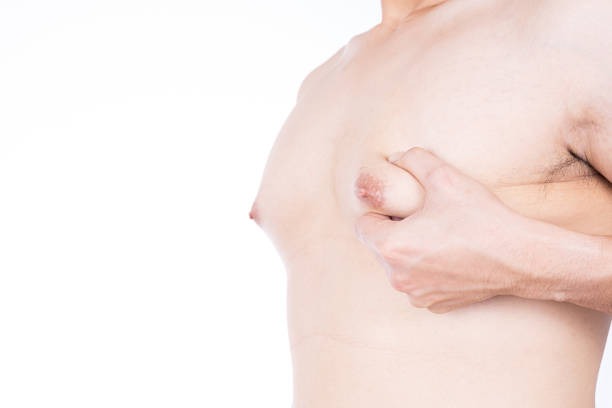
Gynecomastia is a condition in which men develop enlarged breast tissue, often causing changes in chest appearance, physical discomfort, and reduced self-confidence. It can affect males at different stages of life, including puberty and adulthood. Understanding what causes this condition is important for identifying the right approach to treatment. Gynecomastia Surgery in Riyadh is an option for men who continue to experience enlarged breast tissue despite addressing possible underlying causes.
Many men search for information about gynecomastia surgery riyadh because they want to understand why their chest has become enlarged and whether the condition can be corrected. Although hormonal changes are among the most common reasons, certain medications, health conditions, and lifestyle factors may also contribute. Knowing the possible causes helps patients make informed decisions about their health and explore suitable treatment options.
What Exactly Is Gynecomastia in Men?
Gynecomastia refers to the enlargement of glandular breast tissue in males. It usually develops when there is an imbalance between two important hormones: estrogen and testosterone. Although estrogen is commonly associated with women, men naturally produce small amounts of it. When estrogen activity becomes relatively higher than testosterone activity, breast gland tissue may grow.
The condition can affect one or both sides of the chest. Some men experience tenderness or sensitivity around the nipples, while others notice a fuller or more rounded chest. Gynecomastia is different from excess chest fat, which is sometimes called pseudogynecomastia. A proper medical assessment helps distinguish between these conditions.
What Are the Main Causes of Gynecomastia?
Several factors can influence male hormone levels and contribute to breast tissue enlargement. Identifying the underlying cause is an important part of choosing the right treatment.
Hormonal Changes During Puberty
Puberty is one of the most common periods when gynecomastia develops. During adolescence, hormone levels fluctuate as the body matures. Temporary hormonal imbalances can cause breast tissue to grow in one or both breasts.
In many cases, this type of gynecomastia improves naturally as hormone levels stabilize. However, persistent enlargement should be evaluated by a healthcare professional.
Natural Hormonal Changes With Aging
Testosterone levels can gradually decrease as men grow older. Changes in hormone balance may increase the likelihood of developing gynecomastia, particularly when combined with other health or lifestyle factors.
Older men may also take medications or experience medical conditions that influence hormone production, making a proper evaluation important.
Certain Medications
Some prescription medications can affect hormone activity and contribute to breast tissue enlargement. These may include certain treatments for heart conditions, stomach problems, prostate conditions, and other medical concerns.
Men who notice breast changes after starting a new medication should discuss them with their healthcare provider rather than stopping prescribed treatment independently.
Medical Conditions and Hormonal Imbalances
Certain health conditions can interfere with the body's normal hormone balance. Thyroid disorders, liver disease, kidney problems, and conditions affecting the testicles may contribute to gynecomastia.
In some cases, hormonal changes associated with other underlying medical concerns can also lead to breast enlargement. Identifying these conditions is important before considering cosmetic treatment.
Weight Gain and Lifestyle Factors
Weight gain can increase fat accumulation around the chest, creating an enlarged appearance. Although excess fat is not the same as glandular gynecomastia, both conditions can occur together.
Alcohol consumption and the use of certain substances, including anabolic steroids, may also influence hormone levels and contribute to breast enlargement.
How Can You Recognize the Signs of Gynecomastia?
Gynecomastia can appear differently from one person to another. Some men notice a small amount of swelling beneath the nipples, while others experience more noticeable chest enlargement.
Common signs include a firm or rubbery area beneath the nipple, increased chest fullness, nipple sensitivity, and tenderness. The condition may affect one breast more than the other.
Sudden breast enlargement, a hard or fixed lump, nipple discharge, or skin changes should be medically evaluated to rule out other conditions.
When Should Men Consider Gynecomastia Surgery?
Treatment depends on the underlying cause, the amount of glandular tissue, and whether excess fat is also present. When gynecomastia is linked to medication or an underlying health condition, addressing that issue may help improve the chest appearance.
However, when enlarged glandular tissue remains and causes physical or emotional discomfort, surgery may be considered.
Understanding the Surgical Approach
Gynecomastia surgery generally involves removing excess glandular tissue and, when necessary, additional fat to create a flatter and more proportionate chest.
The technique depends on the patient's anatomy and the severity of enlargement. A consultation helps determine whether gland removal, liposuction, or a combination of both approaches is appropriate.
What to Expect During Recovery
Recovery varies depending on the surgical technique and individual healing process. Patients may experience temporary swelling, bruising, and tenderness after treatment.
Following post-operative instructions, wearing a recommended compression garment, and avoiding strenuous activities during the initial recovery period can support healing.
Frequently Asked Questions
Can gynecomastia develop without weight gain?
Yes, gynecomastia can develop even in men who maintain a healthy weight. Hormonal changes, certain medications, and underlying medical conditions can cause glandular breast tissue to enlarge independently of body fat.
Is gynecomastia common during puberty?
Yes, temporary gynecomastia is relatively common during puberty. It usually develops because of natural hormonal fluctuations and often improves without treatment as hormone levels stabilize.
Can exercise completely remove gynecomastia?
Exercise can strengthen chest muscles and reduce overall body fat, improving chest appearance. However, it cannot directly remove enlarged glandular breast tissue.
Can medications cause enlarged male breasts?
Yes, certain medications can affect hormone balance and contribute to gynecomastia. Anyone experiencing breast enlargement after starting medication should consult a healthcare professional for guidance.
Does gynecomastia surgery provide permanent results?
Surgical removal of excess glandular tissue can provide long-lasting results. However, significant weight changes, hormonal imbalances, and certain medications may influence the chest appearance over time.
Book Your Consultation at Enfield Royal Clinic
Understanding the causes of gynecomastia is the first step toward choosing the right solution. If enlarged breast tissue is affecting your confidence or comfort, a professional assessment can help you understand your treatment options. At Enfield Royal Clinic, patients can explore suitable gynecomastia treatment approaches based on their individual needs, chest structure, and desired results.
📰 Related Stories
- What Are the Common Risks and Complications of Rhinoplasty? Riyadh • Nov 07, 2026
- How Is High-Definition Liposuction Different From Standard Liposuction? Riyadh • Nov 07, 2026
- What Happens During an Eye Bag Removal Procedure? Riyadh • Nov 07, 2026
- How Many Sessions of Fat Melting Injections Might You Need? Riyadh • Nov 04, 2026