Chemical Peels for Pigmentation: How Do They Work?
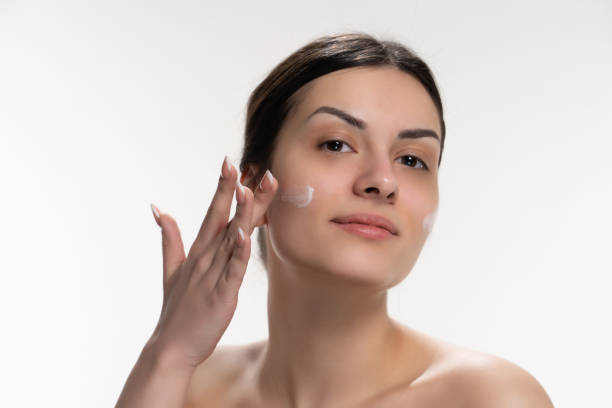
Skin pigmentation can cause dark spots, uneven skin tone, and patches that make the complexion appear less uniform. These changes may develop because of sun exposure, hormonal fluctuations, acne, inflammation, or the natural aging process. Chemical peels are one treatment option that may help improve the appearance of certain types of pigmentation by encouraging the removal of damaged surface cells and supporting skin renewal. Understanding how these treatments work, their benefits, and their limitations can help individuals make informed decisions about their skincare. Professional Skin Pigmentation Treatment in Riyadh (علاج فرط التصبغ جدة) begins with identifying the underlying cause of discoloration so that the most suitable approach can be selected for each person's skin.
What Are Chemical Peels for Pigmentation?
Chemical peels are professional skincare treatments that use carefully selected acids to exfoliate the skin. Depending on the formulation and strength, a peel may work mainly on the outermost skin layer or reach deeper layers under controlled conditions. This process helps remove accumulated dead skin cells and can improve the appearance of some superficial dark spots and uneven skin tone.
Chemical peels may be recommended for specific pigmentation concerns, including sunspots, certain forms of post-inflammatory hyperpigmentation, and discoloration associated with a dull or uneven complexion. However, they do not work equally well for every condition. Melasma, for example, can be persistent and may require a combination of treatments and consistent sun protection.
How Chemical Peels Affect Pigmented Skin
Pigmentation occurs when melanin, the pigment responsible for skin color, becomes concentrated in certain areas. Chemical peels promote exfoliation and skin renewal, which may gradually reduce the visibility of pigment located in the upper skin layers. Some ingredients may also influence processes involved in pigmentation, depending on the formulation.
The treatment does not instantly remove all excess pigment. Improvement generally develops over time, and multiple sessions may be needed. Pigment located deeper in the skin can be more difficult to treat and may respond differently from superficial discoloration.
Types of Chemical Peels Used for Pigmentation
Different peeling agents are selected according to the pigmentation concern, skin sensitivity, and treatment goals. A qualified skincare professional or dermatologist can determine which option is appropriate.
Glycolic Acid Peels
Glycolic acid is an alpha hydroxy acid that helps loosen the bonds between dead skin cells. It can improve surface texture and may reduce the appearance of some superficial dark spots with an appropriate treatment plan. Its strength and frequency must be carefully controlled because excessive exfoliation can cause irritation.
Lactic Acid Peels
Lactic acid is another alpha hydroxy acid that exfoliates the skin. It may be considered for individuals who need a gentler approach to surface discoloration and uneven texture. Nevertheless, sensitive skin can still react to it, so professional assessment remains important.
Salicylic Acid Peels
Salicylic acid is a beta hydroxy acid that helps exfoliate pores and is often used for acne-prone skin. It may be useful when dark marks develop after acne breakouts. Treating active acne and preventing new inflammation can also help reduce the formation of additional post-inflammatory marks.
Other Professional Peels
Some treatments use combinations of acids or other ingredients to address specific concerns. The appropriate formula depends on the condition being treated, the person's skin tone, medical history, and previous reactions to skincare products. Stronger peels are not automatically more effective or safer.
What Happens During a Chemical Peel Treatment?
A professional appointment usually begins with an assessment of the skin and a discussion of the person's goals. The practitioner examines the location, color, and pattern of pigmentation and reviews factors such as sun exposure, medications, previous procedures, and skin sensitivity.
Preparing the Skin
Depending on the selected peel, the practitioner may recommend a simplified skincare routine before treatment. Retinoids, exfoliating acids, waxing, and other potentially irritating products may need to be paused for a specific period. Individuals should follow personalized instructions rather than changing their routine without guidance.
Applying the Peel
The skin is cleansed, and the selected chemical solution is applied for a controlled period. Mild tingling, warmth, or temporary stinging may occur. The peel is then neutralized or removed according to the product's instructions. The exact process varies by formulation and treatment depth.
Recovery and Skin Renewal
After treatment, the skin may appear red, dry, tight, or slightly flaky. Some peels cause little visible peeling, while others produce more noticeable shedding. Picking, rubbing, or forcibly removing flaking skin can increase irritation and the risk of additional discoloration. Recovery instructions should be followed carefully.
Benefits and Limitations of Chemical Peels
When appropriately selected, chemical peels may help improve the appearance of superficial pigmentation, uneven tone, and rough skin texture. They can also complement a broader skincare plan when acne or accumulated dead skin cells contribute to a dull complexion.
However, results vary depending on the type and depth of pigmentation, the peel used, and how consistently the skin is protected afterward. Chemical peels cannot guarantee complete pigment removal, and discoloration may return if its underlying cause remains active.
Professional Skin Pigmentation Treatment in Riyadh can help determine whether a chemical peel is suitable or whether alternatives, such as topical treatments or other dermatologist-supervised procedures, may be more appropriate.
Are Chemical Peels Suitable for All Skin Types?
Chemical peels can be used for a range of skin tones, but the formula, concentration, and treatment depth must be selected carefully. Medium and deeper skin tones may be more susceptible to post-inflammatory hyperpigmentation following irritation or injury. An overly aggressive peel can therefore make dark patches more noticeable rather than improving them.
People with active skin infections, open wounds, significant irritation, or certain skin conditions may need to postpone treatment. A history of abnormal scarring, cold sores, recent procedures, or use of particular medications should also be discussed during consultation.
Any new, changing, irregular, or bleeding dark spot should be medically assessed before cosmetic treatment. Not every pigmented lesion is a simple cosmetic concern, and its cause should be established before a peel is considered.
How to Maintain Results After a Chemical Peel
Aftercare plays an important role in protecting the skin and reducing the risk of further discoloration.
Use Sunscreen Every Day
Apply broad-spectrum sunscreen with SPF 30 or higher daily, following the product directions and reapplying as needed, particularly during outdoor activities. Hats, shade, and protective clothing provide additional protection. Sun exposure can worsen existing pigmentation and contribute to new dark spots.
Keep the Skincare Routine Gentle
Use a mild cleanser, a suitable moisturizer, and products recommended by the treating professional. Avoid scrubs, strong exfoliating acids, and other irritating ingredients until the skin has recovered. Introducing too many active ingredients too soon can delay healing.
Follow the Recommended Treatment Plan
Some pigmentation concerns require several sessions spaced appropriately apart. Treatment frequency should be based on the skin's response rather than a fixed schedule. Consistency with sun protection and any prescribed topical products can support longer-term improvement.
Choosing Professional Pigmentation Care in Riyadh
The most effective approach to pigmentation starts with understanding why the discoloration developed. A qualified professional can assess whether chemical peeling is suitable, explain possible side effects, and recommend alternatives when necessary. The plan may combine carefully selected topical products, sun protection, and professional procedures, depending on the diagnosis.
Choosing Skin Pigmentation Treatment in Riyadh through an individualized consultation helps ensure that treatment decisions consider skin tone, sensitivity, medical history, and the type of pigmentation being addressed. Realistic expectations and careful aftercare are essential parts of the process.
Frequently Asked Questions
How many chemical peel sessions are needed for pigmentation?
The number of sessions varies according to the type of pigmentation, the peel's strength, and the skin's response. Some superficial concerns may improve after a limited number of treatments, while persistent discoloration may require a longer plan or a different approach.
Are chemical peels painful?
Most peels cause temporary tingling, warmth, or stinging rather than severe pain. The intensity depends on the formulation and depth. Significant pain, blistering, or unexpected swelling should be reported to the treating professional.
Can chemical peels treat melasma?
Chemical peels may help some people with melasma, but the condition can be difficult to manage and may recur. Treatment must be conservative and carefully planned because irritation can worsen pigmentation. A dermatologist can recommend an appropriate combination of treatments and sun protection.
Can pigmentation become darker after a chemical peel?
Yes. Irritation, inflammation, excessive peeling, or sun exposure can trigger post-inflammatory hyperpigmentation, particularly in deeper skin tones. Correct treatment selection and careful aftercare help reduce this risk but cannot eliminate it entirely.
When can I return to my usual skincare routine?
The timing depends on the peel's depth and how quickly the skin heals. Avoid exfoliating or irritating products until the treating professional confirms that they can be reintroduced safely.
Book a Pigmentation Consultation
Chemical peels may improve selected pigmentation concerns when they are chosen carefully and combined with appropriate aftercare. To explore suitable options for your skin, schedule a consultation with Royal Clinic Saudia (عيادات رويال كلينك). A personalized assessment can help identify the cause of discoloration and guide you toward a safe, realistic treatment plan.
📰 Related Stories
- Can Eye Bag Removal Help With Persistent Under-Eye Puffiness? Riyadh • Oct 24, 2026
- How to Prepare for Eyelid Surgery: A Complete Checklist Riyadh • Oct 24, 2026
- Understanding Different Types of Stem Cell Therapy Riyadh • Oct 20, 2026
- A Patient’s Guide to the 8 Point Facelift with Juvederm Riyadh • Oct 20, 2026