Can Eye Bag Removal Help With Persistent Under-Eye Puffiness?
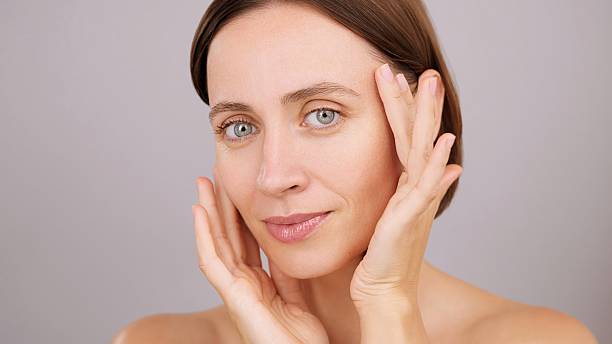
Persistent under-eye puffiness can make the face appear tired, swollen, or older than it actually is. While temporary swelling may improve with adequate sleep and simple lifestyle adjustments, puffiness that remains noticeable for long periods can have a different underlying cause. Genetics, aging, allergies, fluid retention, and changes in the tissues surrounding the eyes can all contribute to this concern. Understanding what causes persistent puffiness is essential for determining whether eye bag removal may provide meaningful improvement.
For individuals whose under-eye concerns do not improve with everyday care, Eye Bag Removal in Riyadh may be worth exploring after a professional assessment to identify the cause and discuss appropriate treatment options.
What Causes Persistent Under-Eye Puffiness?
Under-eye puffiness can develop for several reasons, and not every cause requires cosmetic treatment. Identifying the underlying issue helps determine which approach is likely to be effective.
Age-Related Changes Around the Eyes
As people age, the skin gradually loses elasticity, and the tissues supporting the lower eyelids may weaken. Fat that normally cushions the eyes can become more prominent, creating bags beneath the lower eyelids.
When puffiness results from these structural changes, skincare products and lifestyle adjustments may have limited effects. A professional evaluation can help determine whether excess skin or protruding fat is contributing to the appearance.
Genetics and Facial Anatomy
Some people naturally have prominent under-eye fat or facial features that make the lower eyelids appear fuller. These characteristics may become noticeable in early adulthood and can persist regardless of sleep quality or skincare habits.
Inherited under-eye bags are different from temporary fluid retention. Their management depends on the individual's anatomy, the degree of prominence, and personal preferences.
Fluid Retention
Fluid can accumulate beneath the eyes, especially after waking up. Excessive salt intake, certain sleeping positions, and other individual factors may contribute to temporary swelling.
This type of puffiness may improve throughout the day or with suitable lifestyle adjustments. Surgery generally does not address fluid retention as a primary cause, so identifying the pattern of swelling is important.
Allergies and Medical Conditions
Allergies can cause inflammation, itching, redness, and swelling around the eyes. Other medical conditions may also contribute to persistent puffiness, particularly when swelling is new, unexplained, or accompanied by other symptoms.
If the swelling persists or repeatedly returns, seek medical advice before pursuing a cosmetic procedure. Treating an underlying condition may be more appropriate than focusing on appearance alone.
Can Eye Bag Removal Help With Persistent Puffiness?
Eye bag removal may help when persistent puffiness is caused by prominent fat deposits, excess skin, or age-related changes in the supporting tissues of the lower eyelids. It is less likely to help when the main cause is temporary fluid accumulation, active allergies, or another medical condition.
A professional assessment can distinguish structural bags from swelling and other concerns, such as dark circles or hollowing. This distinction matters because treatments designed to reduce fat protrusion will not necessarily correct pigmentation or fluid retention.
Eye Bag Removal in Riyadh may be considered for suitable candidates whose puffiness is primarily structural. The practitioner should explain what the proposed treatment can realistically achieve, what concerns may remain, and whether another approach would be more appropriate.
Treatment Options for Persistent Under-Eye Puffiness
Lifestyle Adjustments and Home Care
When puffiness is mild or related to fluid retention, practical measures may help reduce its appearance. These include maintaining a regular sleep schedule, moderating excessive salt intake, and using a clean, cool compress for temporary relief.
Appropriate hydration and allergy management may also help when relevant. However, these measures cannot reliably remove established fat deposits or significant excess skin.
Skincare and Non-Surgical Treatments
Gentle moisturizers may improve hydration and make fine lines less noticeable. Some eye products containing caffeine may temporarily reduce the appearance of puffiness, although their effects are generally limited.
Selected non-surgical treatments may be discussed for particular concerns involving skin texture or under-eye contour. Their suitability depends on skin condition, anatomy, and medical history. Fillers may help selected cases of hollowing, but they do not remove under-eye bags and can sometimes worsen puffiness.
Lower Eyelid Surgery
Lower blepharoplasty, commonly known as lower eyelid surgery, may be considered when persistent bags result from prominent fat or excess skin. Depending on the individual's anatomy, a surgeon may remove or reposition fat and address loose skin when appropriate.
The goal is to improve the lower-eyelid contour while preserving natural facial features and eyelid function. Surgery has risks, including bruising, swelling, scarring, dry-eye symptoms, changes in eyelid position, and other eye-related complications.
Eye Bag Removal in Riyadh may be an option for individuals who are medically suitable and whose concerns match the procedure's capabilities. A qualified surgeon should review the potential benefits, alternatives, recovery requirements, and risks before treatment.
Who May Be a Suitable Candidate?
People with persistent structural under-eye bags that remain noticeable despite appropriate skincare and lifestyle adjustments may benefit from a consultation. Suitability depends on the cause of the puffiness, overall health, eye health, skin quality, and expectations.
During an assessment, the practitioner may review medical history, medications, allergies, dry-eye symptoms, and previous eye procedures. These details help guide treatment planning and identify factors that may affect healing.
It is also important to establish realistic expectations. Treatment may improve the contour of the under-eye area, but it cannot guarantee perfect symmetry or prevent future age-related changes.
What to Expect During Recovery
Recovery depends on the chosen treatment. Non-surgical procedures may cause temporary redness or swelling, while surgery commonly involves bruising, tightness, and a longer healing period.
Patients should follow their clinician's aftercare instructions, avoid rubbing the eyes, observe activity restrictions, and attend follow-up appointments. The appearance of the under-eye area may continue to change as swelling gradually subsides.
Sudden vision changes, severe eye pain, rapidly increasing swelling, or significant bleeding require urgent medical attention.
When Should Persistent Puffiness Be Evaluated?
Persistent swelling should not automatically be considered a cosmetic issue. Arrange a medical assessment if puffiness is unexplained, repeatedly returns, affects one eye more than the other, or occurs with other symptoms.
Seek prompt medical attention for sudden swelling accompanied by significant pain, marked redness, fever, or changes in vision. Identifying the cause first helps avoid unnecessary procedures and supports safer treatment decisions.
Conclusion
Eye bag removal may help improve persistent under-eye puffiness when it results from prominent fat deposits, excess skin, or structural changes associated with aging. However, fluid retention, allergies, and certain medical conditions require different management. A professional assessment is the best way to determine which treatment, if any, is appropriate.
If you are considering Eye Bag Removal in Riyadh, Royal Clinic Saudia can help you arrange a consultation to discuss your under-eye concerns, explore available treatment options, and understand their potential benefits and limitations.
📰 Related Stories
- Chemical Peels for Pigmentation: How Do They Work? Riyadh • Oct 24, 2026
- How to Prepare for Eyelid Surgery: A Complete Checklist Riyadh • Oct 24, 2026
- Understanding Different Types of Stem Cell Therapy Riyadh • Oct 20, 2026
- A Patient’s Guide to the 8 Point Facelift with Juvederm Riyadh • Oct 20, 2026