Seattle Sound Transit Advances ST3 Light Rail Expansion Following Pinehurst Station Delivery and Fleet Modernization
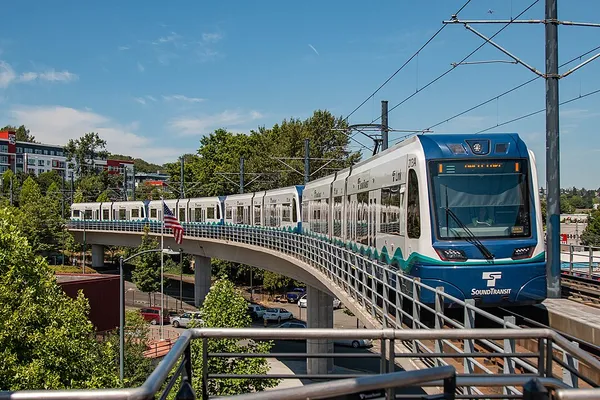
Sound Transit and Puget Sound Regional Planners Accelerate High-Capacity Light Rail Network
SEATTLE, Washington — In a defining development for transit connectivity across the Pacific Northwest, Sound Transit and regional transit partners have reached major milestones in the phased rollout of the multi-billion-dollar Sound Transit 3 (ST3) capital expansion program. Anchored by the recent commissioning of Pinehurst Station along the northern 1 Line corridor at Northeast 130th Street, engineering teams are intensifying systemwide electrical testing and signaling synchronizations across Seattle’s rapid transit spine, serving more than 170,000 average weekday commuters throughout King and Snohomish counties.
The infrastructure investments represent the largest transit expansion in Washington state history, establishing seamless, grade-separated rail connections between suburban job centers, downtown commercial corridors, and Seattle-Tacoma International Airport (Sea-Tac). With the integration of expanded 4-car Siemens S700 light rail trainsets, Sound Transit is significantly expanding hourly passenger throughput along the dense Interstate 5 corridor.
Strategic Alignment Refinements on Ballard Link and Regional Fleet Reliability
System planners and local municipal stakeholders are synchronizing major light rail corridors to accommodate rapid regional population growth:
- Pinehurst Station Transit Hub: Positioned at 130th Street and 5th Avenue NE, the new elevated station integrates covered bus loop drop-offs, multi-modal bike lockers, and immediate transfers to King County Metro routes connecting Lake City and Bitter Lake.
- Ballard and West Seattle Engineering Studies: The Sound Transit Board has advanced detailed environmental assessments for the Ballard Link Extension, refining tunnel portal designs beneath Salmon Bay and finalizing downtown transfer stations between Westlake and Chinatown-International District.
- Everett Link Draft EIS Review: Civil engineers and municipal leaders in Snohomish County have concluded public scoping windows on preferred trackway alignments, preparing the 16-mile extension from Lynnwood City Center to Everett Station.
- King County Metro Bus Restructure: Municipal transit planners have synchronized east-west feeder bus routes across North Seattle, eliminating duplicate arterial runs and cutting cross-town travel times by up to 25 percent.
Long-Term Decarbonization and Puget Sound Regional Mobility
By migrating hundreds of thousands of daily vehicle trips off congested regional freeways onto 100 percent carbon-neutral electric rail, Seattle's continued expansion of the Link light rail network serves as a cornerstone of the region's climate commitment. Sound Transit's ongoing investments ensure that Puget Sound communities maintain equitable access to employment, education, and healthcare throughout the next half-century.
Through disciplined engineering execution and robust public-agency collaboration, the Seattle metropolitan region is establishing a modern, sustainable transit model capable of supporting vibrant urban growth for decades to come.
📰 Related Stories
- Seattle City Council Passes Transit Corridor Zoning Overhaul and Allocates $115M for Social Housing Near Light Rail Seattle • Oct 23, 2026
- Seattle City Council Evaluates October Economic Forecast to Balance Public Safety Commitments and Structural Deficit Seattle • Oct 23, 2026
- Sound Transit Opens Landmark $3.1 Billion Lynnwood Link Light Rail Extension Connecting King and Snohomish Counties Seattle • Oct 19, 2026
- Mayor Todd Gloria and City Council Champion Neighborhood Homes Reform and Prioritize Critical Stormwater Upgrades San Diego • Oct 24, 2026