MTA Advances Second Avenue Subway Phase 2 into East Harlem and Expands Automated Bus Lane Enforcement Across NYC
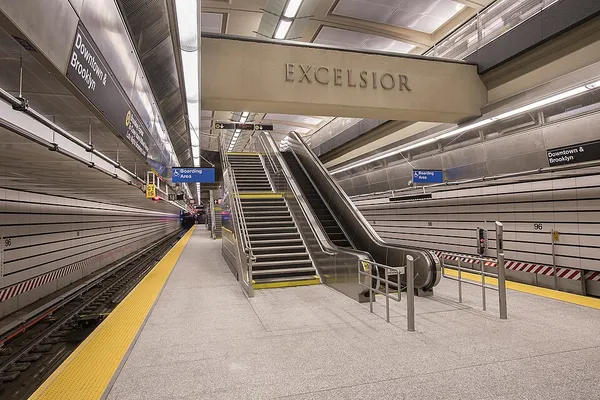
MTA Accelerates Second Avenue Subway Phase 2 Contracts to Expand Transit Equity in East Harlem
NEW YORK, New York — In a transformative development for Upper Manhattan and regional transit connectivity, the Metropolitan Transportation Authority (MTA) has reached major engineering and procurement milestones on Phase 2 of the Second Avenue Subway. Backed by a $3.4 billion federal Full Funding Grant Agreement from the Federal Transit Administration (FTA), the capital megaproject extends the Q line northward from 96th Street, curving west beneath 125th Street to establish a vital East-West transit corridor through the historic heart of East Harlem.
Following active utility relocations and deep subsurface preparatory works along Second Avenue, structural civil engineering is advancing across three brand-new, fully ADA-accessible subterranean passenger stations: 106th Street, 116th Street, and 125th Street & Lexington Avenue. The flagship 125th Street multimodal hub will provide seamless, climate-controlled underground transfers to the busy 4, 5, and 6 Lexington Avenue subway lines as well as the Metro-North Railroad Harlem-125th Street station, creating unprecedented rail access for over 100,000 daily Harlem commuters.
Automated Camera Enforcement (ACE) Program Scales Across High-Ridership Bus Corridors
Concurrently tackling surface transit delays and pedestrian safety across the five boroughs, the MTA and the New York City Department of Transportation (NYC DOT) have rapidly deployed their next-generation Automated Camera Enforcement (ACE) system across hundreds of municipal buses:
- Tri-Function Automated Detection: Leveraging bus-mounted AI cameras to capture vehicles illegally traveling in dedicated bus lanes, double-parking along bus routes, and parking illegally inside designated curbside bus stops.
- Measurable Speed Improvements: Early corridor data across Manhattan, Brooklyn, and Queens reveals that camera-enforced bus corridors experience up to a 15 percent increase in operating speeds and a 20 percent reduction in commuter collisions.
- Tiered Violation Fines: Registered motorists who obstruct priority transit corridors receive statutory fines starting at $50, progressing up to $250 for repeated violations within a 12-month calendar cycle.
- Five-Borough Rollout: Expanding automated cameras across dense transit spines, including 125th Street in Manhattan, Fordham Road in the Bronx, and Fulton Street in Brooklyn.
Transit-Oriented Affordable Housing and Community Reinvestment
City and state planning bodies, including the New York City Department of City Planning (DCP), have synchronized Second Avenue Subway milestones with the East Harlem Neighborhood Plan. The zoning framework requires new residential construction along 125th and Second Avenue to include permanent, deed-restricted affordable housing units under the city's Mandatory Inclusionary Housing (MIH) program.
By unifying heavy rail subway expansion into historically underserved neighborhoods with aggressive automated camera protections for surface bus riders, New York City is actively delivering a modernized, multi-modal transit network designed to ensure equitable economic mobility and faster, safer commutes for millions of urban residents.
📰 Related Stories
- New York City Council Passes Historic COPA Legislation as Mayor Mamdani Champions Community Land Trust Housing New York City • Oct 24, 2026
- MTA Surpasses One Billion NYC Subway Rides in Record Time for 2026, Bolstered by Kawasaki R211 Fleet and OMNY Tap-and-Go Adoption New York City • Oct 19, 2026
- New York City Council Advances Centralized Landlord Portal Bill as Lawmakers Prepare Historic Vote on Romanch's Law New York City • Oct 18, 2026
- Dallas City Council Adopts FY2026–27 Budget with Property Tax Cuts as DART Approves $1.4B Transit Package Dallas • Oct 24, 2026