New York City Council Advances Centralized Landlord Portal Bill as Lawmakers Prepare Historic Vote on Romanch's Law
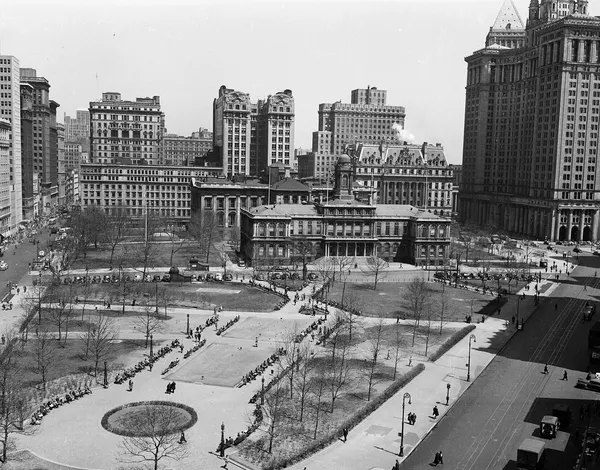
City Council Committees Advance Centralized Online Landlord Portal Legislation
NEW YORK CITY, New York — Seeking to remove bureaucratic hurdles that discourage private property owners from participating in municipal housing programs, the New York City Council advanced key provisions of Introduction 1090-2026 in mid-October 2026. The legislation directs the Department of Social Services (DSS) to construct and launch a unified digital landlord portal by January 1, 2027. Under the proposed statutory framework, property owners and building managers will be able to track monthly rental subsidy disbursements, upload verification paperwork, and process administrative inquiries digitally across programs like CityFHEPS and federal housing vouchers.
Housing committee members emphasized that lengthy administrative backlogs and fragmented payment processing have long suppressed private-market acceptance of municipal rental assistance. Council leaders noted that automating subsidy management provides predictable rent transfers, expanding housing options for working families transitioning out of municipal emergency shelter systems.
Council Schedules Decisive October 22 Floor Vote on Romanch's Law
Concurrently inside City Hall chambers, legislative leaders scheduled a formal full-council vote for October 22 on Romanch's Law, a historic measure phasing out horse-drawn carriage operations in Central Park. Named in tribute to a teenage visitor fatally injured in an overturned carriage earlier this year, the compromise agreement reached between Council Speaker Julie Menin and Mayor Zohran Mamdani mandates a complete operational cessation by June 1, 2028.
The bill prohibits issuing new or renewal carriage licenses while directing municipal agencies to formulate a comprehensive workforce transition plan by April 2027. The transition program guarantees driver re-training grants, potential conversion to zero-emission electric vehicles, and certified equine sanctuary retirements coordinated with national animal welfare groups.
Capital Investment Framework Directs Resources to Aging Infrastructure
Complementing legislative actions, city budget officials reviewed quarterly allocations under the $115.9 billion municipal budget, confirming accelerated capital commitments for the New York City Housing Authority (NYCHA) and transit-adjacent infrastructure. Council administrators affirmed that synchronized housing technology modernization and animal welfare protections reinforce New York City's commitment to progressive urban management.
📰 Related Stories
- Mayor Zohran Mamdani and City Council Reach Landmark Agreement on Romanch's Law to Ban Central Park Horse Carriages by 2028 New York City • Oct 18, 2026
- Federal Judge Dismisses Lawsuit Challenging NYC Sanctuary Laws as Mayor Mamdani Advances Small Business Debt Relief New York City • Oct 18, 2026
- Mayor Zohran Mamdani Unveils 'Debt Demolisher' Small Business Relief as East New York Advances Landmark Affordable Housing Developments New York City • Oct 17, 2026
- San Diego City Council Committee Advances $4.2B Midway Rising Project as Mayor Gloria Nominates Bethany Bezak for COO San Diego • Oct 18, 2026