Monaco Inaugurates 6-Hectare Mareterra Offshore Eco-District with Geothermal Energy and Marine Sanctuaries
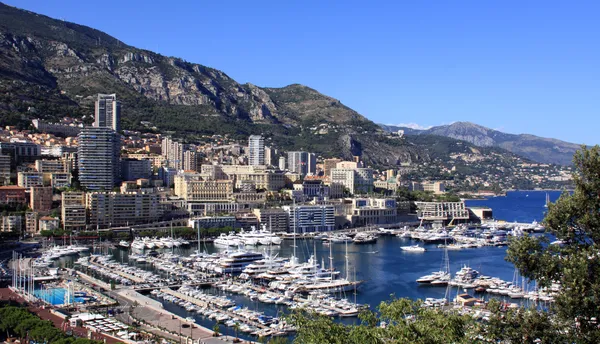
H.S.H. Prince Albert II Celebrates Operational Handover of Monaco's Landmark Offshore Extension
MONTE CARLO, Monaco — Marking an historic engineering triumph in sustainable coastal urbanism, His Serene Highness Prince Albert II, accompanied by the princely family and government ministers, has presided over the official inauguration and phased residential delivery of Mareterra (formerly Portier Cove). Reclaiming six hectares of territory from the Mediterranean Sea, the visionary maritime expansion expands the sovereign territory of the Principality of Monaco by three percent, delivering a fully pedestrianized eco-district designed by Pritzker Prize-winning architect Renzo Piano alongside urbanists Denis Valode and Jean Pistre.
Opening its public esplanades directly to residents and international visitors, the district unveils prominent civic landmarks including the Esplanade and Promenade Prince Jacques, the shaded public gathering space of Place Princesse Gabriella, and the state-of-the-art Piscine Princesse Charlène. Phased handovers have commenced across prime residential complexes, including the sweeping curved architecture of Le Renzo, the luxury residences of Les Jardins d'Eau, and exclusive waterfront villas along the Mediterranean shoreline.
World-Leading Eco-Engineering: Marine Sanctuaries, Geothermal Heat, and Solar Canopies
Setting a global benchmark for environmental stewardship in offshore civil construction, Mareterra has achieved the highest international certifications (HQE Aménagement, BREEAM Excellent, and BiodiverCity):
- Subterranean Seawater Thermal Energy: Powered entirely by advanced closed-circuit marine geothermal loops, extracting thermal energy from the Mediterranean to supply 100 percent renewable heating and cooling across all residential and public buildings.
- Extensive Solar Generation: Incorporating 4,500 square metres of high-efficiency photovoltaic solar pergolas and rooftop panels to generate clean electricity for municipal lighting and automated infrastructure.
- Artificial Marine Habitat Integration: Submerged caisson foundations engineered with specialized textured eco-concrete and 3D-printed artificial reefs, establishing sheltered breeding grounds that have successfully attracted protected *Posidonia oceanica* flora and native fish populations.
- Pedestrian-First Urbanism: Zero surface automotive traffic, with all delivery logistics, service access, and parking routed through an acoustic-damped subterranean roadway network.
Sustainable Urban Mobility and Principality-Wide Green Housing Integration
Mareterra connects directly into Monaco's municipal ecological transition plan (*Plan de Transition Énergétique*). The district provides frictionless connectivity to the CAM (Compagnie des Autobus de Monaco) electric bus network, rapid subterranean public elevators linking the district to Monte Carlo's Boulevard des Moulins, and automated MonaBike electric bike-sharing hubs.
Through meticulous marine ecological protections, renewable energy generation, and human-scale architecture, Monaco proves that ambitious modern territorial expansion can harmoniously coexist with Mediterranean marine conservation and uncompromising environmental responsibility.
📰 Related Stories
- Monaco Integrates Mareterra Maritime Eco-District into National Thalassothermal Energy Loop at EVER Summit Monte Carlo • Oct 24, 2026
- Prince Albert II Inaugurates Monaco’s Landmark €2 Billion Mareterra Eco-District Offshore Extension Monte Carlo • Oct 18, 2026
- Prince Albert II Inaugurates Monaco's Landmark €2 Billion Mareterra Eco-District Offshore Expansion Monte Carlo • Oct 13, 2026
- Monaco Prince's Government Breaks Ground on 2,500m² Port Hercule Platform Extension at Darse Sud to Electrify Grand Prix La Condamine • Oct 23, 2026