Chicago Advances Downtown Transformation as Historic Bellwether Opens and $3 Billion Foundry Park Breaks Ground
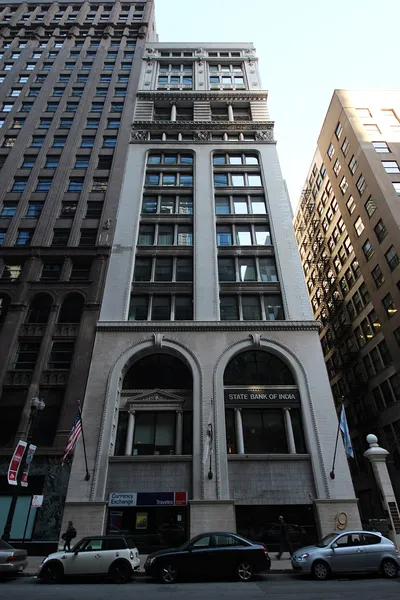
First LaSalle Street Office-to-Residential Conversion Delivers 117 Downtown Apartments
CHICAGO, Illinois — Marking a transformative breakthrough for the revitalization of the central Loop financial corridor, the City of Chicago and the Department of Planning and Development (DPD) have celebrated the official completion of The Bellwether at 19 South LaSalle Street. Formerly known as the landmark 121-year-old Rector Building, the historic structure represents the first completed adaptive reuse project under the city's signature LaSalle Street Reimagined initiative, converting historic commercial offices into vibrant residential spaces.
The architectural restoration delivers 117 modern residential apartments directly into the commercial core, with approximately 40 percent of the inventory designated as legally protected affordable housing. By repurposing legacy commercial real estate into high-density housing, municipal leaders are actively curbing downtown commercial vacancy while providing attainable homes for service workers, teachers, and young professionals within steps of major transit lines.
Mayor Brandon Johnson Breaks Ground on $3 Billion Foundry Park Along Chicago River
Concurrently advancing Chicago's broader urban renewal blueprint, Mayor Brandon Johnson and civic development partners have formally broken ground on Foundry Park, an expansive $3 billion mixed-use riverfront community in Lincoln Park:
- 31-Acre Industrial Transformation: Reclaiming 31 acres of historically vacant industrial parcels along the North Branch of the Chicago River into an interconnected civic district.
- 3,737 Mixed-Income Homes: Phased construction will deliver up to 3,737 rental and condominium dwellings, integrated with equitable affordability commitments and senior living options.
- Public Open Space & Riverwalk: Over 10 acres of public green space, continuous pedestrian riverwalk paths, native wetland restoration, and public boat launch infrastructure.
- Commercial Innovation Hub: Modern retail arcades, ground-floor artisanal eateries, and flexible creative office spaces designed to attract sustainable tech employers.
Transit-Oriented Development Vouchers Anchor Inclusive Neighborhood Growth
To guarantee that downtown and riverfront reinvestments do not outpace neighborhood equity, the Chicago Housing Authority (CHA) board has authorized an expanded rollout of project-based housing vouchers tied strictly to Equitable Transit-Oriented Development (ETOD) corridors. Developments situated immediately adjacent to key CTA 'L' hubs—including the Logan Square and Belmont Blue and Brown Line stations—have received targeted federal and municipal subsidies to preserve long-term affordability.
These housing initiatives synchronize with the ongoing engineering phases of the Chicago Transit Authority's 5.5-mile Red Line Extension (RLE) project south of the 95th/Dan Ryan terminal toward 130th Street. City planning authorities are coordinating multi-million-dollar requests for proposals (RFPs) for mixed-use retail and housing hubs around future stations, ensuring commercial revitalization extends into South Side neighborhoods.
Unifying Transit Across Cook County via the Northern Illinois Transit Authority
Underpinning Chicago's residential transformation is the historic operational debut of the Northern Illinois Transit Authority (NITA). Established by landmark state legislation to harmonize regional public mobility, NITA has begun integrating unified fare structures, streamlined service scheduling, and shared safety operations across the CTA, Metra, and Pace networks.
By connecting seamless regional commuter transit with downtown residential density and riverfront housing expansions, Chicago continues to establish an enduring national benchmark for post-pandemic urban regeneration and economic resilience.
📰 Related Stories
- Mayor Brandon Johnson Unveils 2027 Budget Engagement Report with UIC Ahead of Crucial City Council Fiscal Address Chicago • Oct 19, 2026
- Chicago Transit Authority Advances Historic $3.6 Billion Red Line Extension with $1.97 Billion Federal Grant Agreement Chicago • Oct 18, 2026
- Mayor Brandon Johnson Prepares 2027 Chicago Budget Address Following Council Debt Veto Win and Corporate Tax Push Chicago • Oct 18, 2026
- Mayor Mary Sheffield Details 25% Summer Homicide Drop as Council Advances Municipal Power Exploration Detroit • Oct 23, 2026