New York City Council Advances Micro-Mobility Expansion as Mayor Mamdani Bolsters Municipal Food Access Programs
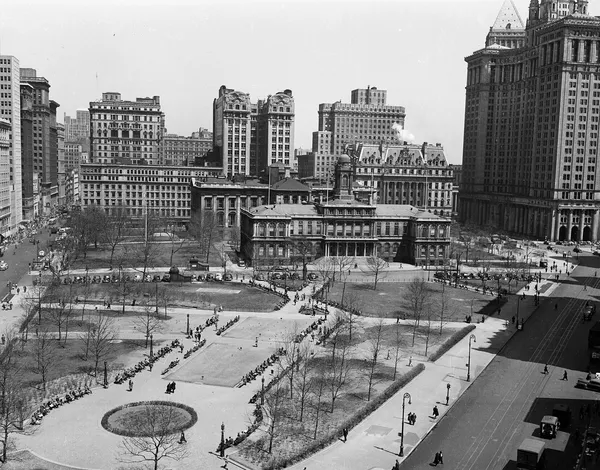
City Council Committees Advance Citywide Micro-Mobility and Transit Integration
NEW YORK CITY, New York — Seeking to enhance pedestrian connectivity and reduce vehicular congestion across high-density neighborhoods, the New York City Council Committee on Transportation and Infrastructure advanced landmark micro-mobility directives in mid-October 2026. The legislative framework accelerates the expansion of protected bicycle boulevards, designated e-bike charging hubs, and secure parking corrals across the five boroughs, with priority placement focused around outer-borough subway and regional rail terminals.
Transportation officials and transit advocates emphasized that expanding docked and dockless micro-mobility options directly closes last-mile transit gaps in Queens, Brooklyn, and the Bronx. Council leaders noted that pairing separated bike paths with automated loading zone management keeps commercial avenues safe for pedestrians while supporting local retail delivery workers.
Mayor Zohran Mamdani Strengthens Municipal Food Security Frameworks
Concurrently inside City Hall, Mayor Zohran Mamdani and the Department of Social Services unveiled expanded emergency food security funding designed to support community pantries across Upper Manhattan and Central Brooklyn. In addition to bolstering family nutritional grants, the administration launched pilot pet food pantries co-located within municipal social service hubs, ensuring low-income pet owners do not face financial hardship in caring for companion animals.
Administration spokespersons noted that holistic social safety nets prevent family housing disruptions, allowing vulnerable households to maintain nutritional security while remaining stably housed across the metropolitan area.
Capital Infrastructure and Vision Zero Coordination
Budget planners reviewed quarterly capital allocations under the city's $115.9 billion municipal budget, confirming scheduled upgrades for neighborhood catch basins, resurfaced arterials, and modernized Vision Zero pedestrian countdown signals. Civic organizations commended the administration and council for synchronizing transit innovation and grassroots human services to strengthen New York City's urban fabric.
📰 Related Stories
- MTA Surpasses One Billion NYC Subway Rides in Record Time for 2026, Bolstered by Kawasaki R211 Fleet and OMNY Tap-and-Go Adoption New York City • Oct 19, 2026
- New York City Council Advances Centralized Landlord Portal Bill as Lawmakers Prepare Historic Vote on Romanch's Law New York City • Oct 18, 2026
- Mayor Zohran Mamdani and City Council Reach Landmark Agreement on Romanch's Law to Ban Central Park Horse Carriages by 2028 New York City • Oct 18, 2026
- Mayor Donna Deegan Issues Executive Order Mandating Financial Governance Training for City Boards and Agencies Jacksonville • Oct 19, 2026