Understanding the Risks and Benefits of Laser Tattoo Removal
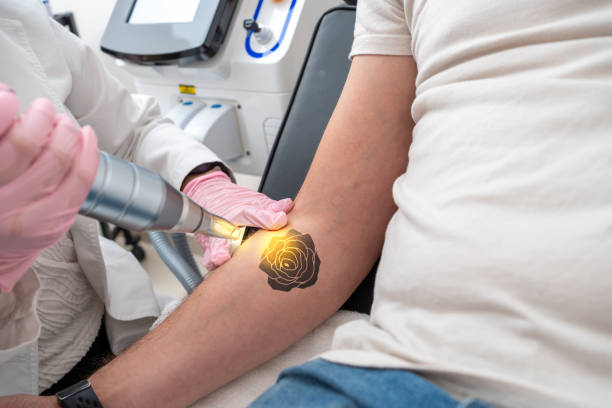
Removing an unwanted tattoo is a personal decision that requires careful consideration of the available treatments, expected results, and possible side effects. tattoo removal near me is a non-surgical procedure that uses specialized laser technology to break tattoo pigments into smaller particles, allowing the body to gradually clear them. Although this approach can significantly fade many tattoos, understanding its benefits, limitations, and potential risks is essential before deciding whether treatment is right for you.
How Does Laser Tattoo Removal Work?
Laser tattoo removal uses controlled pulses of light energy to target pigment particles beneath the skin. Different tattoo colors absorb different wavelengths, so the laser technology and settings are selected according to the tattoo's characteristics and the individual's skin.
The Science Behind Laser Treatment
When laser energy reaches tattoo ink, it helps break the pigment into smaller fragments. The body's immune system gradually processes and removes these particles over time. As the pigment clears, the tattoo may become progressively lighter.
Why Multiple Sessions Are Usually Needed
Most tattoos require several treatment sessions because the ink cannot usually be cleared in one appointment. The skin also needs time to recover between sessions, while the body continues processing fragmented pigment.
The number of sessions depends on tattoo size, ink color, depth, density, skin characteristics, and individual healing. Complete removal cannot be guaranteed.
Key Benefits of Laser Tattoo Removal
Laser tattoo removal offers several potential advantages for people who want to reduce or eliminate unwanted body art.
A Non-Surgical Treatment Option
Unlike surgical excision, which involves cutting out tattooed skin, laser removal targets ink using light energy. This allows many tattoos to be treated without surgically removing the affected skin.
However, non-surgical treatment does not mean risk-free treatment. Burns, blistering, infection, scarring, and pigmentation changes can still occur.
Targeted Ink Reduction
Laser technology can selectively target certain tattoo pigments while aiming to minimize damage to surrounding tissue. Choosing suitable wavelengths and settings is particularly important when treating tattoos containing multiple colors.
Some pigments respond more readily than others, and residual ink may remain after treatment.
Gradual Fading for Cover-Up Tattoos
People who want a new tattoo may not need complete removal of the original design. Laser treatment can sometimes lighten existing ink sufficiently to help a tattoo artist plan a cover-up.
The amount of fading required depends on the original tattoo and the proposed design. Coordination between the laser practitioner and tattoo artist can help establish a suitable approach.
Treatment Can Be Tailored to Individual Needs
Tattoo removal plans can be adapted according to ink color, skin tone, tattoo location, and treatment goals. A qualified practitioner can recommend an appropriate laser and discuss whether complete removal or partial fading is more realistic.
For individuals exploring Laser Tattoo Removal in Riyadh, a personalized assessment helps clarify the likely benefits and limitations before treatment begins.
Potential Risks and Side Effects
Although laser tattoo removal is widely used, it can cause temporary reactions and, in some cases, more lasting complications.
Redness, Swelling, and Blistering
Redness, swelling, tenderness, and mild discomfort are common after treatment. Some patients also develop blisters or scabs as the skin heals. These reactions vary according to the treatment settings, tattoo characteristics, and individual response.
Follow your practitioner's aftercare instructions and avoid picking at blisters or scabs.
Changes in Skin Pigmentation
Laser treatment can cause the skin to become temporarily lighter or darker. In some cases, pigmentation changes may persist. The risk depends partly on skin tone, laser settings, sun exposure, and individual healing.
A qualified practitioner should consider these factors when choosing the treatment approach.
Scarring and Infection
Scarring is possible, although careful treatment and appropriate aftercare can help reduce avoidable risks. Infection may occur if the treated area is not cared for properly or becomes damaged during healing.
Contact a healthcare professional if you develop worsening pain, spreading redness, unusual discharge, or fever.
Incomplete Tattoo Removal
Not every tattoo can be completely removed. Some colors, particularly certain green, turquoise, yellow, and light-colored pigments, may be difficult to treat. Dense or deeply placed ink can also be resistant.
In some cases, the tattoo fades considerably but leaves traces of pigment or changes in skin texture.
Who May Need Additional Assessment?
Laser tattoo removal may be suitable for many people, but individual health and skin conditions can influence treatment decisions.
Skin Conditions and Scarring History
People with active skin infections, open wounds, or sunburn in the treatment area may need to postpone treatment. Those with a history of keloids, abnormal scarring, or significant pigmentation problems should discuss these concerns with their practitioner.
Medications and Cosmetic Tattoo Pigments
Certain medications and medical conditions may affect healing or treatment planning. Share your medication list and relevant medical history during consultation, and do not stop prescribed medication without advice from the clinician managing it.
Some cosmetic tattoo pigments can darken after laser exposure. Your practitioner may recommend additional assessment or a test spot when appropriate.
How to Reduce the Risks of Laser Tattoo Removal
Taking sensible precautions can help support a safer treatment experience.
-
Choose a qualified practitioner with appropriate laser equipment and safety procedures.
-
Discuss your medical history, skin tone, tattoo composition, and previous treatment reactions.
-
Follow pre-treatment and aftercare instructions carefully.
-
Avoid excessive sun exposure before treatment and protect healing skin afterward.
-
Allow adequate time between sessions for recovery.
-
Seek medical advice if symptoms worsen or signs of infection develop.
Be cautious of providers who guarantee complete removal or promise results within a fixed number of sessions.
Book an Appointment at Royal Clinic Saudia
Laser tattoo removal can help fade unwanted ink without surgical excision, but results and risks vary according to the tattoo and individual skin characteristics. At Royal Clinic Saudia, you can discuss Laser Tattoo Removal in Riyadh with a qualified professional and learn about suitable treatment options, expected recovery, and potential complications. A personalized consultation can help you weigh the benefits and risks, understand realistic outcomes, and decide on an appropriate treatment plan.
📰 Related Stories
- What Are the Common Risks and Complications of Rhinoplasty? Riyadh • Nov 07, 2026
- How Is High-Definition Liposuction Different From Standard Liposuction? Riyadh • Nov 07, 2026
- What Happens During an Eye Bag Removal Procedure? Riyadh • Nov 07, 2026
- Non-Ablative Laser Treatments for Acne Scars: A Gentle Approach to Smoother Skin Riyadh • Nov 04, 2026