Rhinoplasty for a Nasal Hump: Options and Expectations
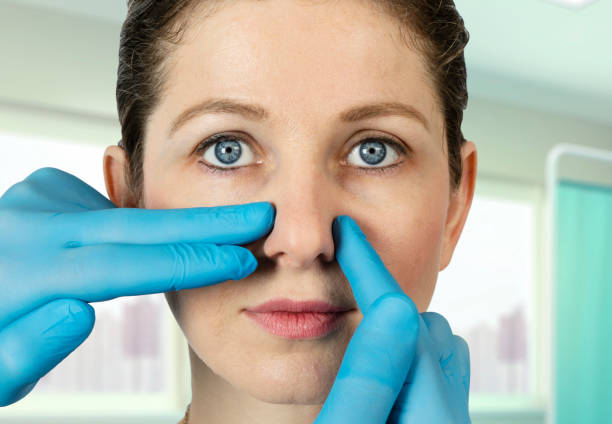
A nasal hump is a noticeable bump on the bridge of the nose that can affect the overall appearance of the face. For some people, it is a natural feature that has been present since adolescence, while others develop it following an injury or changes in the nasal structure. Rhinoplasty can help reshape the nose by reducing the prominence of the hump and creating a smoother nasal profile. Understanding the available treatment options, expected results, and recovery process can help individuals make informed decisions about their aesthetic goals.
For individuals exploring Rhinoplasty in Riyadh, understanding the available techniques is an important first step toward choosing a suitable approach. Many people also search for nose surgery in saudi arabia price when researching their options, but treatment suitability, surgical complexity, and individual needs should be considered alongside financial factors. A professional consultation helps clarify what can realistically be achieved while maintaining facial harmony and, most importantly, preserving or improving nasal function.
What Is a Nasal Hump?
A nasal hump is a raised area along the bridge of the nose, often formed by the underlying nasal bone and cartilage. Its size and shape can vary from a subtle curve to a more prominent bump. Although a nasal hump is usually a cosmetic concern, some individuals may also have structural issues that affect breathing.
Common Causes of a Nasal Hump
A nasal hump can develop naturally as the nose grows, making it a normal anatomical feature for many people. Genetics often influence the shape of the nasal bridge. In other cases, an injury can change the alignment of the nasal bones or cartilage, resulting in a visible bump. A qualified specialist can assess the underlying structure and determine whether treatment is appropriate.
Rhinoplasty Options for a Nasal Hump
Different rhinoplasty techniques can address a prominent nasal bridge. The most appropriate option depends on the size of the hump, the thickness of the skin, the nasal structure, and the patient's desired outcome.
Surgical Rhinoplasty
Surgical rhinoplasty allows the surgeon to reshape the bone and cartilage responsible for the hump. Depending on the individual anatomy, the procedure may involve carefully reducing the raised area and refining the nasal bridge. Additional adjustments may be necessary to maintain a balanced profile and support the nasal structure.
Open and closed rhinoplasty are two commonly used surgical approaches. Open rhinoplasty involves a small incision across the tissue between the nostrils, providing greater visibility of the underlying structures. Closed rhinoplasty uses incisions inside the nostrils. The choice depends on the complexity of the procedure and the surgeon's assessment.
Non-Surgical Rhinoplasty
Non-surgical rhinoplasty uses injectable dermal fillers to create the appearance of a smoother nasal bridge. Rather than removing the hump, a specialist adds volume around selected areas to make the profile look more even. This approach is temporary and is suitable only for carefully selected patients.
Fillers cannot reduce the actual size of a nasal hump, correct every structural concern, or reliably improve breathing. Nasal filler injections also carry serious risks, including skin damage and, rarely, vision loss. Treatment should only be considered after a detailed assessment by an appropriately qualified medical professional.
What Results Can You Expect?
The results of nasal hump correction depend on the original nasal structure, the selected technique, and the body's healing response. Surgical rhinoplasty can create a smoother bridge and a more balanced side profile while preserving the nose's natural character. The objective is not necessarily to create a perfectly straight or identical nose for everyone, but to achieve a result that complements the individual's facial proportions.
Patients should understand that swelling can temporarily affect the appearance of the nose after surgery. Initial improvements may become visible within a few weeks, while more subtle changes can continue for several months. Final results often take up to a year or longer to become fully apparent, particularly around the nasal tip.
Recovery After Nasal Hump Correction
Recovery varies according to the procedure performed and the individual's healing process. After surgical rhinoplasty, patients may experience swelling, bruising, congestion, and temporary discomfort. Following the surgeon's instructions is essential for supporting healing and reducing the risk of complications.
Patients are generally advised to avoid strenuous exercise, protect the nose from accidental impact, and attend scheduled follow-up appointments. They should also avoid judging the final outcome too early, as swelling may make the bridge appear uneven during the initial healing period.
Frequently Asked Questions
Can rhinoplasty completely remove a nasal hump?
Surgical rhinoplasty can significantly reduce or reshape a nasal hump. The extent of correction depends on the nasal anatomy, skin characteristics, and treatment plan.
Is non-surgical rhinoplasty effective for a nasal hump?
Non-surgical rhinoplasty can camouflage a small hump by adding volume around it. However, it does not remove the bump or reduce the size of the nose, and it carries important injection-related risks.
Will correcting a nasal hump improve breathing?
Not necessarily. Nasal hump correction primarily addresses appearance, although functional procedures may be performed when structural breathing problems are identified. A proper examination is necessary to determine the appropriate treatment.
How long does recovery from surgical rhinoplasty take?
Many patients can resume some routine activities within one to two weeks, depending on their recovery and the surgeon's advice. Swelling may persist for months, and final refinement can take a year or longer.
How can I determine which rhinoplasty option is right for me?
A consultation with a qualified specialist can help assess your nasal structure, breathing, aesthetic preferences, and medical history to determine which approach is most appropriate.
Book Your Rhinoplasty Consultation
If you are considering nasal hump correction, a personalized assessment can help you understand the available options and develop realistic expectations. Enfield Royal Clinic offers consultations to discuss aesthetic concerns, treatment suitability, and individual goals. Contact the clinic to learn more about rhinoplasty options and take an informed step toward achieving a nasal profile that complements your facial features.
📰 Related Stories
- Rhinoplasty Care Options in Riyadh Riyadh • Oct 01, 2026
- Exploring Rhinoplasty at Enfield Royal Clinic Riyadh • Sep 30, 2026
- Rhinoplasty in Riyadh: Exploring Advanced Cosmetic Nose Procedures Riyadh • Sep 29, 2026
- Non-Ablative Laser Treatments for Acne Scars: A Gentle Approach to Smoother Skin Riyadh • Nov 04, 2026